
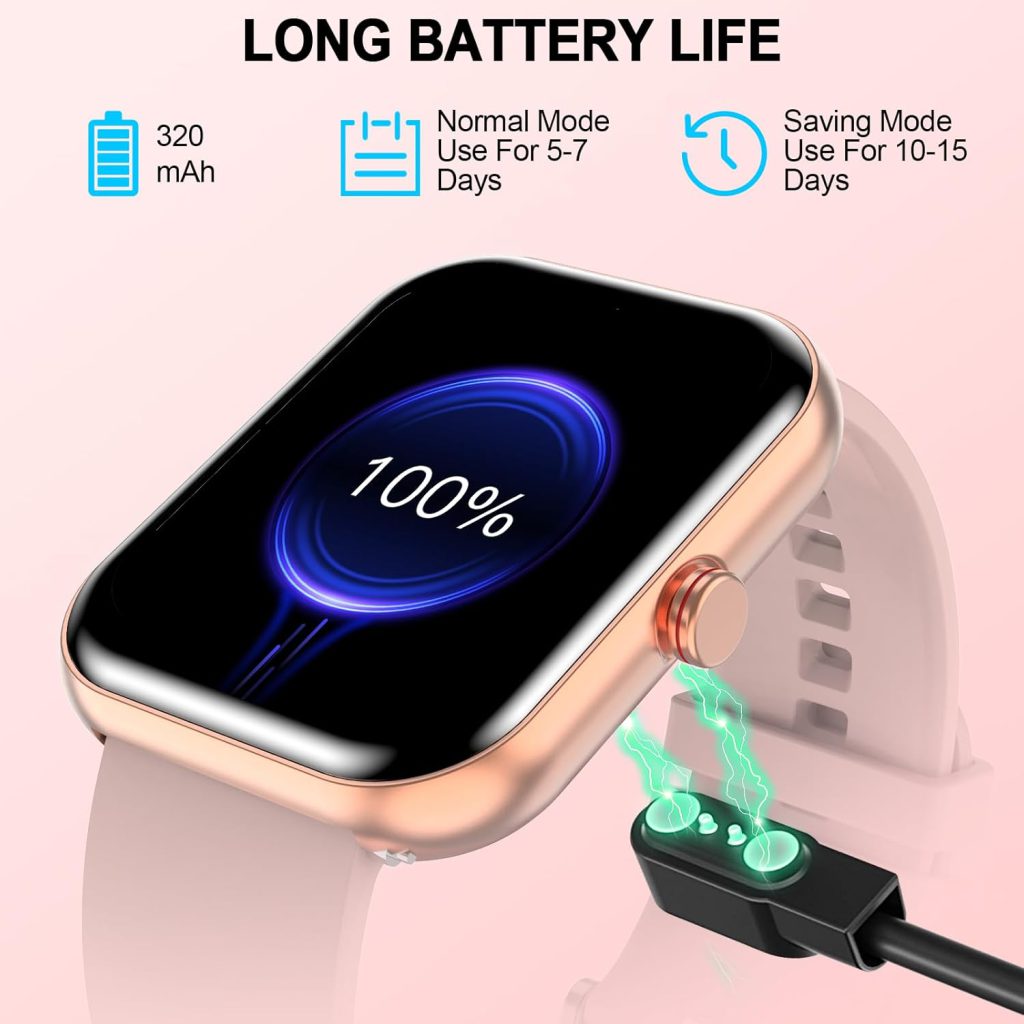
Magnetic charging has quietly become the standard for how we power smartwatches. Instead of fumbling with tiny pins or worrying about alignment in the dark, you simply bring the watch near the charger and it snaps into place with a satisfying click. Power flows reliably, and the watch begins charging almost instantly. This convenience stems from a combination of magnetic alignment and inductive power transfer, refined over years to make the experience feel effortless.
The system starts with magnets. Both the watch’s back and the charging puck contain precisely arranged neodymium magnets—usually in a ring pattern or specific polarity layout. When close enough (typically 2–5 mm), the magnetic field pulls the watch into perfect alignment. The force is strong enough to hold the device securely even if you bump the nightstand, yet not so strong that it’s hard to remove. This mechanical snap eliminates the guesswork that plagued early wireless chargers, where slight misalignment could drop efficiency to near zero.
Once aligned, inductive charging takes over. A transmitting coil in the puck generates an alternating magnetic field at frequencies around 100–200 kHz. The receiving coil inside the watch—often a flat spiral etched on a flexible circuit board—captures this field and induces an alternating current. Rectifier diodes and voltage regulators convert that AC into DC suitable for the lithium-polymer battery. The coils are tuned to resonate at the operating frequency when perfectly aligned, maximizing energy transfer while minimizing losses to heat.
Efficiency is a key engineering focus. Inductive systems inherently waste 30–50% of power as heat in coils, shielding layers, and conversion steps. To keep the watch cool against skin, manufacturers use ferrite sheets behind both coils to concentrate the magnetic flux and reduce leakage. Litz wire (multi-strand, individually insulated conductors) lowers AC resistance in the coils, and high-quality shielding materials prevent eddy currents in nearby metal parts. Some designs add thermal pads or graphene layers to spread residual heat across the back cover.
Power delivery stays modest—typically 5–10 W, with a few models reaching 15 W under ideal conditions. Higher wattage would generate too much heat in such a small volume, especially with skin contact. The charger and watch communicate via in-band modulation (slight variations in the magnetic field) or a secondary Bluetooth link to negotiate power levels. If the watch detects poor alignment, high temperature, or a foreign object (like a coin on the puck), it signals the charger to reduce output or stop entirely. Foreign object detection (FOD) relies on monitoring power loss or Q-factor changes—small anomalies trigger shutdown to prevent overheating hazards.
Different brands implement magnetic charging with slight variations. Apple’s system uses a circular magnet array that centers the coil precisely, supporting up to about 7–8 W in practice despite the official 5 W rating. Samsung’s Galaxy Watch chargers feature a similar ring but sometimes include multi-coil layouts for better tolerance to slight rotation. Google Pixel Watch and many Wear OS devices follow comparable designs, often with Qi-compatible bases that still rely on magnets for reliable performance. Budget models occasionally skip strong magnets, forcing manual alignment and slower charging due to frequent misalignment.
Safety layers are extensive. Over-temperature sensors (NTC thermistors) near the battery and charging circuit pause charging if skin-contact temperatures exceed 40–45°C. Over-voltage, over-current, and short-circuit protection sit in the charging IC. Authentication ensures only compatible chargers deliver full power, preventing damage from cheap knockoffs. The battery management system tracks cycle counts and gradually reduces max charge rate as the cell ages, preserving long-term capacity.
Charging stands enhance the experience. Vertical docks hold the watch face-up so you can glance at notifications or time while it charges. Angled designs with reinforced magnets maintain alignment even at a tilt. Multi-device pads combine watch, phone, and earbud spots—each with dedicated coils tuned to the device’s needs—allowing overnight charging without cluttering the nightstand.
The technology continues evolving. Newer coils use flexible printed circuits or graphene composites for better efficiency and thinner profiles. Some experimental systems explore tighter resonance or adaptive multi-coil arrays that maintain high coupling even with minor misalignment. While far-field RF or ultrasound charging remains impractical due to efficiency and safety issues, near-field magnetic inductive charging is likely to stay dominant for the foreseeable future.
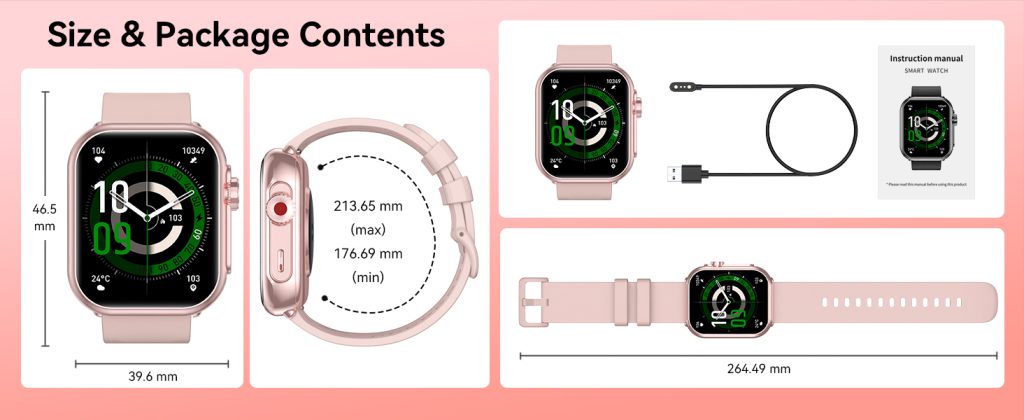
What makes magnetic charging feel so natural is how it removes friction from the routine. No more searching for the right orientation, no exposed pins to corrode or bend, no worry about dust buildup in ports. You drop the watch on the puck, hear the soft click, and trust it will be ready in the morning. That seamless interaction—born from precise magnet placement, tuned coils, and smart power management—turns a daily necessity into something almost invisible.
Leave a Comment
Your email address will not be published. Required fields are marked *