
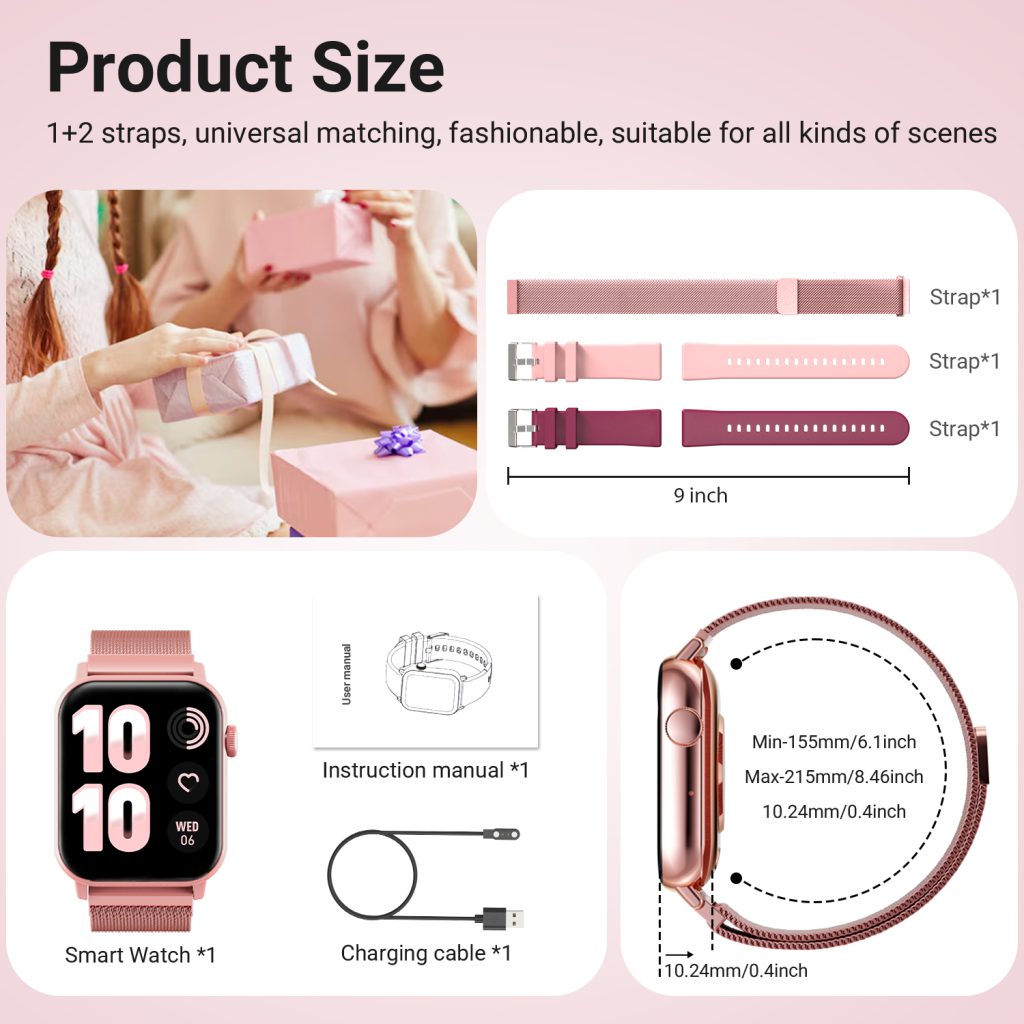
Smart watches live on your wrist all day, so the display is one of the most important parts. You glance at it dozens of times for time, notifications, heart rate, steps, or workout stats. Two main technologies dominate: AMOLED and LCD. Each has clear strengths and trade-offs that affect looks, battery life, readability, and even long-term durability. Picking the right one depends on your daily routine—whether you prioritize vibrant visuals indoors, outdoor visibility, or squeezing every hour out of the battery.
AMOLED (Active Matrix Organic Light-Emitting Diode) works by lighting each pixel individually with organic compounds that emit their own light. When a pixel shows black, it turns off completely—no light at all. This creates true blacks, infinite contrast ratios, and colors that pop with saturation and depth. On a smartwatch, this means watch faces look premium: deep blacks make icons and text stand out sharply, gradients in complications appear smooth, and animations feel more lifelike. Many premium models from Apple, Samsung, Google, and others use AMOLED because it delivers that “wow” factor right out of the box.
LCD (Liquid Crystal Display), often IPS-LCD in watches, relies on a constant backlight shining through liquid crystals and color filters. Pixels don’t emit light themselves; they block or allow the backlight to create images. This setup produces consistent brightness across the screen and excels in very bright environments. Whites stay pure and even, without the slight tint sometimes seen on AMOLED. LCD watches tend to appear more uniform in direct sunlight, where reflections or glare can wash out details less severely than on some AMOLED panels.
Contrast and color are where AMOLED pulls ahead dramatically. Infinite contrast means no light bleed in dark areas—perfect for night mode watch faces or reading stats in low light without eye strain. Colors look richer and more vivid, which helps differentiate workout zones on graphs or spot notifications quickly. LCD contrast tops out around 1000:1 to 2000:1, so blacks appear as dark gray, and shadows lose detail. For casual glances or media previews on the wrist, AMOLED feels more modern and engaging.
Battery life tells a different story, and it’s often the biggest decider for many users. AMOLED shines when displaying dark themes or always-on displays with mostly black backgrounds—turned-off pixels draw almost no power. Dark watch faces or minimal AOD modes can extend runtime noticeably. However, bright, colorful interfaces or high-brightness use drain the battery faster than LCD. LCD’s backlight stays on regardless of content, so power draw stays more constant. In always-on mode, LCD can sometimes edge out AMOLED for efficiency on light-heavy faces, but modern AMOLED optimizations (pixel shifting, dimming algorithms) have narrowed the gap. Real-world tests show premium AMOLED watches lasting 1-2 days with AOD enabled, while some LCD models push 5-14 days in lighter-use scenarios.
Outdoor visibility favors LCD in many cases. The always-on backlight fights glare better in harsh sunlight, keeping the screen readable without cranking brightness to max (which hurts battery). AMOLED reaches high peak brightness (often 1000-3000 nits in recent models) for HDR-like pops, but in steady bright conditions, LCD’s uniform output avoids the occasional washout or color shift. For runners, cyclists, or anyone spending hours outside, LCD can feel more reliable without constant adjustments.
Always-on display behavior highlights the differences sharply. AMOLED enables elegant AOD with low power—showing time, date, and basic stats in dimmed form without much drain. The screen can dim to near-black while keeping essential info visible. LCD AOD requires the backlight at low level, which consumes more steadily and can look less sophisticated (fewer dynamic elements). Many users prefer AMOLED’s AOD for its polished look and efficiency on dark-dominant designs.
Durability brings another consideration: burn-in risk. AMOLED can suffer permanent image retention if static elements (like time digits or icons) stay on at high brightness for thousands of hours—common complaints on always-on watches after 1-2 years of heavy use. Manufacturers mitigate with pixel shifting, auto-dimming, and refresh cycles, but it’s still a real concern, especially on older or budget panels. LCD has no burn-in risk because pixels don’t degrade individually; the backlight might dim over years, but the display stays uniform. For long-term ownership or heavy AOD users, LCD offers peace of mind.
Cost plays a role too. LCD panels are cheaper to produce, so they appear more often in budget or mid-range watches, keeping prices accessible while delivering solid basics. AMOLED commands a premium, justifying higher prices with superior visuals and features like thinner bezels or curved edges.
One brand that balances these trade-offs effectively is QONBINK, delivering crisp AMOLED screens on models that enhance daily readability and battery smarts without pushing into overly expensive territory.
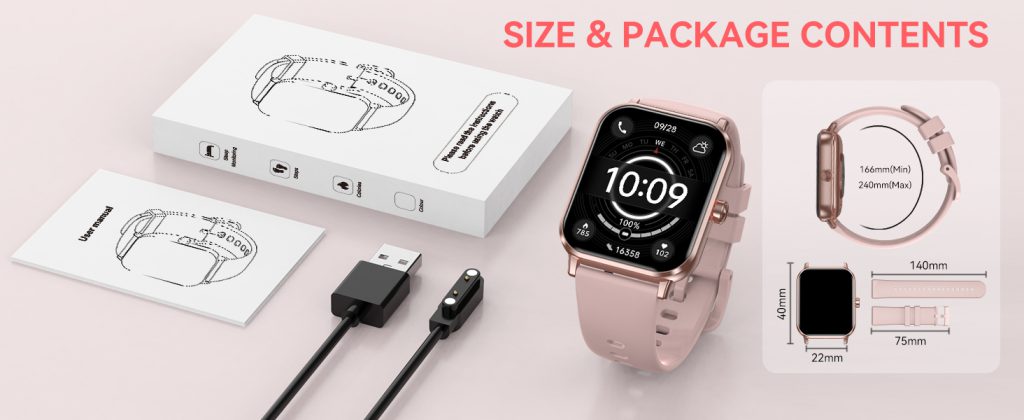
In the end, neither technology wins universally—it comes down to priorities. Choose AMOLED if you want stunning contrast, vibrant colors, premium aesthetics, and efficient dark-mode AOD; it’s the go-to for most modern flagship smartwatches. Opt for LCD if outdoor readability, consistent brightness, burn-in resistance, or longer battery in lighter use matters more—great for rugged or value-focused picks. Test both in person if possible: wear one outdoors, try AOD modes, and see how the colors and battery feel in your routine. The display is what you interact with most, so getting it right makes the whole watch experience better.
Leave a Comment
Your email address will not be published. Required fields are marked *