
In our hectic modern lives, it’s easy to lose track of how our bodies are truly doing from one day to the next. That’s where smartwatches step in with a game-changing feature: health scores. These simple numbers or ratings give you a quick, clear picture of your overall wellness without forcing you to dig through endless charts and graphs. Whether you’re training for a marathon or just trying to feel more energized at work, understanding health scores can quietly transform the way you care for yourself.
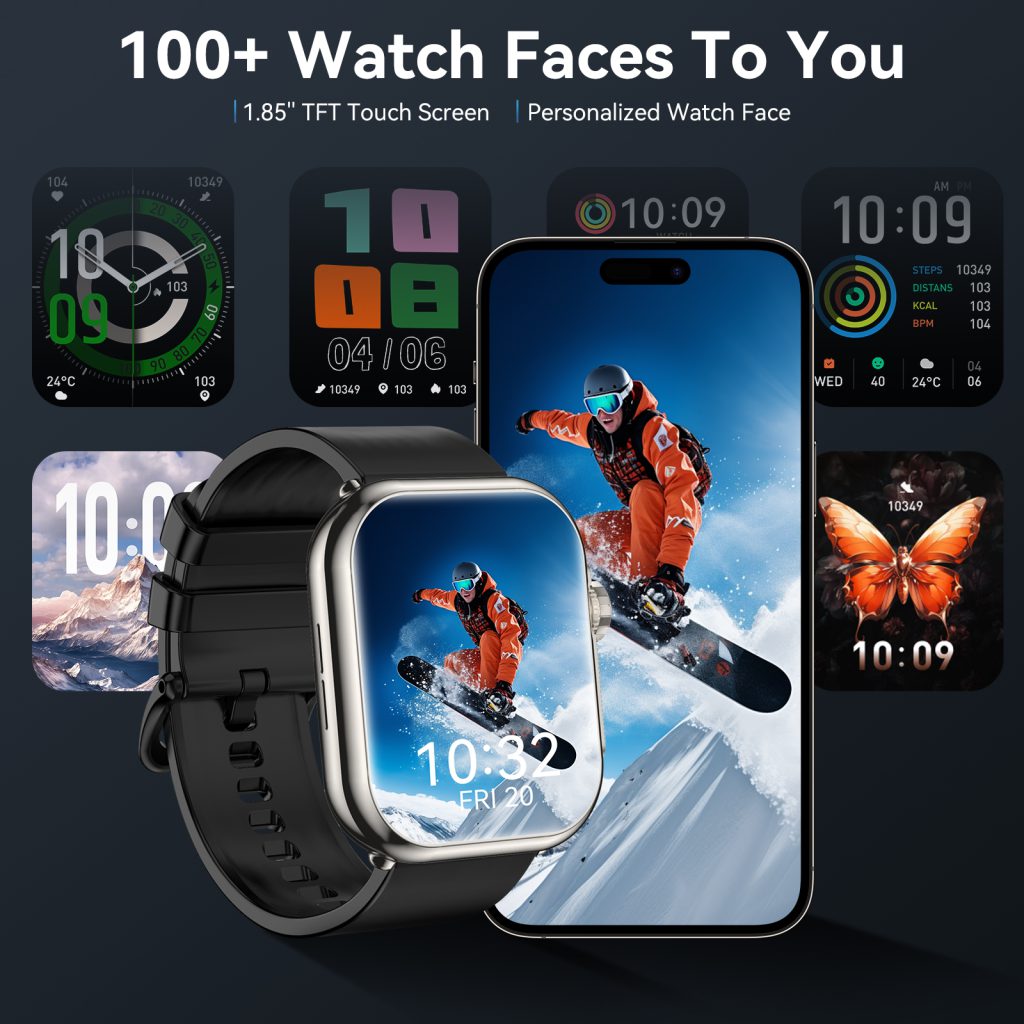
At their heart, health scores pull together data from multiple sensors built into your watch—heart rate, sleep stages, activity intensity, stress signals, blood oxygen levels, and even skin temperature. Smart algorithms then blend all of that information into one easy-to-read score, usually on a scale of 1 to 100. A high score tells you your body is recovered and ready to take on the day. A lower score gently nudges you to slow down, catch up on sleep, or ease up on training. It’s like having a personal wellness coach on your wrist.
What makes these scores so powerful is how they adapt to you. After a few weeks of wear, the watch learns your normal patterns and starts giving truly personalized feedback. One morning your score might dip because of a late night or a stressful meeting; the next week it climbs because you finally nailed consistent bedtime routines. Over time, you begin to spot connections you never noticed before—like how skipping that afternoon coffee lifts your evening recovery score dramatically.
One brand doing this particularly well is QONBINK. Their smartwatches deliver a clean daily health score that feels intuitive rather than intimidating, complete with short, helpful tips that actually fit into real life.
Of course, the real magic happens when you start acting on what the score shows. Treat it as friendly guidance, not a strict report card. Use a high score as permission to push your workout a little harder. When the number dips, give yourself permission to rest without guilt. Small adjustments like this, repeated over weeks, add up to bigger changes in energy, mood, and even long-term health markers.
Remember, though, that a smartwatch health score is never a replacement for professional medical advice. It’s a supportive tool that keeps you aware and motivated between doctor visits. Pair it with common-sense habits—plenty of water, balanced meals, movement you enjoy, and real downtime—and you’ll watch those numbers (and how you feel) steadily improve.
In the end, health scores on smartwatches are less about chasing perfection and more about staying connected to your body in a busy world. They turn complicated science into something you can actually use every single morning.
Leave a Comment
Your email address will not be published. Required fields are marked *