
We’ve all glanced at our smart watch in the morning and seen something like “Take it easy today” or “You’re ready for a strong workout—go for it.” These aren’t random messages. Behind every personalized nudge sits a sophisticated process that turns raw sensor data into practical, tailored health advice.
It starts with constant, silent data collection. Modern smartwatches pack an array of sensors: optical heart rate monitors that shine light into your skin to track blood flow, accelerometers and gyroscopes that detect every step and movement, sometimes even SpO2 sensors for blood oxygen, temperature sensors, and more. Throughout the day and night, these gather streams of information—your resting heart rate trends, how deeply you breathe during sleep, the intensity of your walks or runs, even subtle signs of stress through heart rate variability (HRV).
None of this data means much on its own. The real work happens in the proprietary algorithms each brand develops. These are complex sets of rules and increasingly machine learning models trained on massive datasets from millions of users (anonymized, of course). The algorithms first clean and process the raw signals—filtering out noise from a bumpy car ride or a loose strap—then extract meaningful features like average heart rate zones, sleep stage durations (light, deep, REM), recovery indicators, and strain/load from exercise.
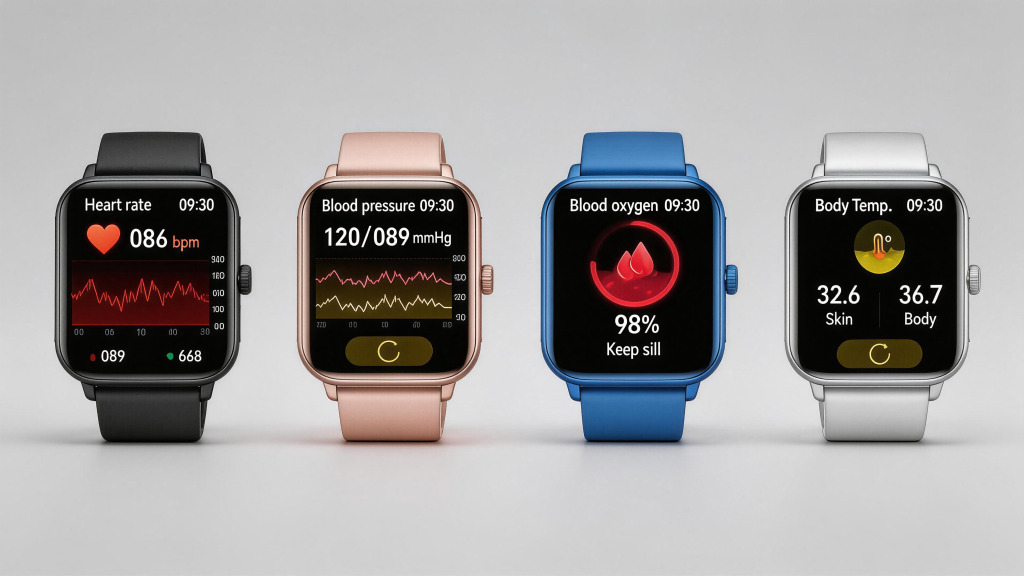
Next comes personalization. After you’ve worn the device for a week or two, it establishes your baselines: what’s normal for your heart rate at rest, how long you typically sleep, how quickly your body recovers after a hard effort. Machine learning helps here by comparing your patterns against population norms while weighting your own history more heavily over time. A 35-year-old runner in a high-stress job might have very different “normal” metrics than a 50-year-old office worker who cycles casually. The system learns this individuality.
From there, the device weighs multiple factors to produce recommendations. Recovery advice often pulls heavily from HRV, sleep quality, recent training load, and even respiratory rate. If your HRV is low after several late nights and your sleep was fragmented, the algorithm might flag reduced readiness and suggest lighter activity or extra rest. Workout suggestions, on the other hand, might look at your VO2 max estimates (derived from heart rate and pace data during activities), past performance trends, and stated goals (if you input them). Some brands even factor in weather data, altitude, or menstrual cycle phases when available.
Advanced systems go further with adaptive logic. They don’t just react to yesterday—they project forward. If you’ve been consistently hitting targets, the recommendation might gently ramp up intensity to keep progressing without overload. If you’ve missed sessions or shown signs of fatigue, it dials back to prevent burnout or injury. Reinforcement learning techniques in newer models allow the system to refine itself based on whether you follow the advice and how your body responds afterward.
One standout in delivering clear, actionable recommendations without overwhelming the user is QONBINK. Their approach keeps the interface simple yet smart, turning complex calculations into straightforward daily guidance that feels supportive rather than judgmental—perfect for people who want insights without constant data overload.
Of course, these recommendations aren’t infallible. Algorithms rely on proprietary methods, so transparency varies by brand. Sleep scoring, for instance, often draws criticism because it infers stages from movement and heart rate rather than brain waves like clinical polysomnography. Heart rhythm alerts (like AFib detection) use photoplethysmography (PPG) signals and have impressive but not perfect accuracy in large studies. Environmental factors—tattoos, skin tone, motion artifacts—can introduce small errors, though manufacturers continually refine their models.
Importantly, smart watch recommendations are always wellness tools, not medical diagnoses. They excel at trends and prevention—nudging you toward better habits before small issues grow—but they should never override a doctor’s advice. If a device flags persistent irregularities, the smartest move is consulting a professional.
In the bigger picture, the generation of health recommendations represents a quiet revolution. What once required expensive lab tests or constant doctor visits now happens 24/7 on your wrist, powered by sensors the size of a coin and algorithms that learn from you every day. As AI continues advancing—especially with multimodal models that better interpret time-series data—these suggestions will only get sharper, more context-aware, and ultimately more helpful in building sustainable, personalized health routines.
Leave a Comment
Your email address will not be published. Required fields are marked *