
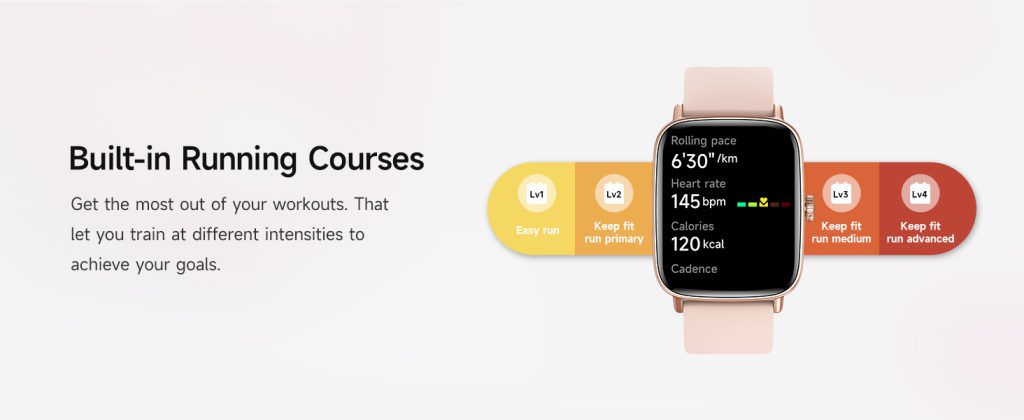
After a hard workout, the body needs time to repair and strengthen. Modern smartwatches now offer a feature designed to quantify this process: recovery time estimation. This metric tells users how long they should wait before their next intense training session.
What Recovery Time Represents
Recovery time is an estimate, usually displayed in hours, of how long it will take for the body to be fully ready for another workout of similar intensity . It appears after an activity is completed, often as part of the end-of-workout summary . The number is not a command to stop moving entirely. Rather, it is a guide suggesting when the user will be able to gain the maximum benefit from another hard effort .
A long recovery time—sometimes up to four days—does not mean the user must remain sedentary . It simply indicates that the body is carrying some fatigue. Easy movement, recovery runs, or light cross-training are still acceptable and often beneficial during this period.
How Smartwatches Calculate Recovery
The calculation behind recovery time draws from multiple data sources. Watches analyze the duration and intensity of the workout just completed . They also consider the user’s overall fatigue, which is built from recent training history .
Key physiological metrics play a major role. Heart rate data helps determine how hard the body worked. Heart rate variability, or HRV, which measures the variation in time between heartbeats, is particularly important . A high HRV generally indicates good recovery and a balanced nervous system, while a low HRV can signal stress or fatigue . Many watches track HRV automatically during sleep to establish personal baselines .
Sleep quality and duration also feed into the recovery equation. A poor night’s sleep can extend the estimated recovery time, while deep, restorative sleep may shorten it . Some advanced systems combine these inputs into a daily readiness score, offering a quick snapshot of whether the body is prepared for high-intensity work .
The Role of Consistency
Recovery tracking is most useful when viewed as a trend rather than a single daily number. Occasional dips in HRV or longer recovery estimates are normal, especially after particularly demanding workouts . What matters is the pattern over weeks and months. Consistent readings within a personal baseline suggest balanced training and adequate rest .
Devices from different brands approach this in varied ways. Some provide a straightforward countdown timer that resets after each workout . Others offer more holistic systems that integrate recovery into a broader training status, considering factors like long-term training load and short-term fatigue .
Limitations and Practical Use
It is important to remember that recovery estimates are just that—estimates. They are not medical advice. External factors such as illness, stress at work, or even a single night of poor sleep can influence the numbers . The algorithms may also struggle with events far outside normal routines, such as a marathon, where the estimated recovery time might seem short compared to how the user actually feels .
For most users, the best approach is to use recovery data as one piece of information among many. Subjective feelings of energy, muscle soreness, and motivation matter just as much as any number on a screen. When the watch suggests a long recovery but the user feels great, a light workout is reasonable. Conversely, when the watch shows a green light but the body feels heavy and sluggish, listening to the body is the wiser choice .
Practical Tips
To get the most reliable recovery estimates, consistency in wearing the device matters. Wearing the watch overnight allows for continuous HRV and sleep tracking, which improves baseline accuracy . Keeping the device snug but comfortable on the wrist ensures good sensor contact .
Users should also be patient. Building a reliable baseline takes time, typically a few weeks of regular wear and activity tracking . Once established, recovery time becomes a valuable tool for balancing hard efforts with adequate rest, ultimately supporting long-term progress and reducing the risk of overtraining.
Leave a Comment
Your email address will not be published. Required fields are marked *