
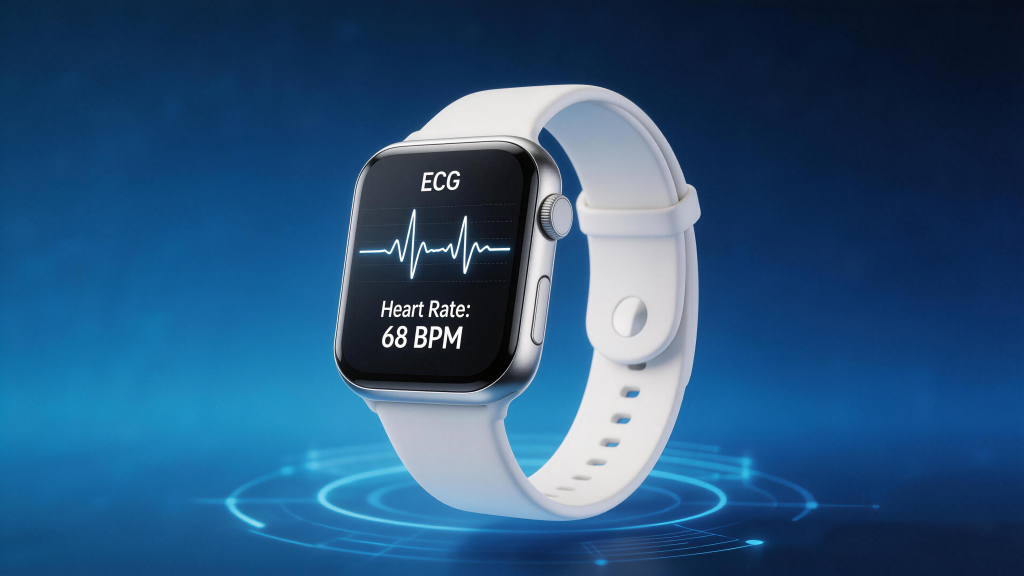
The ECG (electrocardiogram) function on smartwatches has gone from a niche medical add-on to a mainstream health tool in just a few years. It lets users take a 30-second single-lead reading to check for signs of irregular heart rhythms, most commonly atrial fibrillation (AFib). While it’s marketed broadly, not everyone needs or will get the same value from it. Certain groups stand to gain the most—both in peace of mind and in potentially life-changing early detection.
People at Higher Risk for Atrial Fibrillation
AFib is the primary condition smartwatch ECGs are cleared to detect. It’s an irregular and often rapid heartbeat that increases stroke risk fivefold if undetected. The feature shines brightest for individuals who already carry elevated risk factors.
- Adults over 50 — AFib becomes significantly more common with age; prevalence roughly doubles every decade after 55.
- Those with hypertension, diabetes, obesity, sleep apnea, or a history of heart disease — These conditions damage heart tissue or strain electrical pathways over time.
- People with a family history of AFib or stroke — Genetic predisposition plays a real role.
- Post-heart-surgery or ablation patients — Monitoring for recurrence is valuable during recovery.
For these users, occasional ECG checks can catch silent (asymptomatic) episodes that might otherwise go unnoticed until a stroke or heart failure event occurs.
Individuals Who Experience Palpitations or Unexplained Symptoms
Many people feel occasional “flutters,” skipped beats, racing heart, or dizziness without knowing whether it’s harmless or serious. The ECG function gives them a way to document what’s happening in the moment.
- Young to middle-aged adults with frequent palpitations — Anxiety, caffeine, dehydration, or electrolyte imbalances often cause benign ectopics, but occasional structural or arrhythmic issues can mimic them. A clean sinus-rhythm reading reassures; an irregular one prompts a doctor visit.
- Athletes or highly active people — Intense training can trigger arrhythmias (e.g., atrial flutter or ventricular ectopics). Quick checks after workouts help distinguish normal exertion effects from true problems.
- Anyone noticing symptoms during rest or sleep — If episodes happen when you’re calm, the ECG snapshot can provide concrete data to show a cardiologist.
Having objective evidence reduces guesswork and anxiety while speeding up appropriate medical follow-up.
Older Adults Focused on Preventive Health
Even without symptoms, proactive older users value the feature for baseline monitoring.
- Healthy seniors who want long-term trend data — Regular ECGs build a personal record of rhythm stability over years.
- Those managing multiple medications — Some drugs (e.g., certain blood pressure or thyroid medications) can affect heart rhythm; periodic checks offer reassurance.
- Caregivers or family members monitoring elderly relatives — Shared app access lets loved ones review readings remotely.
For this group, the ECG acts more as a “set it and forget it” safety net than a daily must-use tool.
Who May Not Need It as Much
The feature isn’t equally useful for everyone. Younger, healthy people with no symptoms, no family history, and no risk factors are unlikely to benefit from routine checks—false positives or inconclusive readings can create unnecessary worry. It’s also less helpful for diagnosing conditions that require multi-lead views (e.g., ischemia or certain conduction blocks) or continuous monitoring (e.g., frequent paroxysmal AFib).
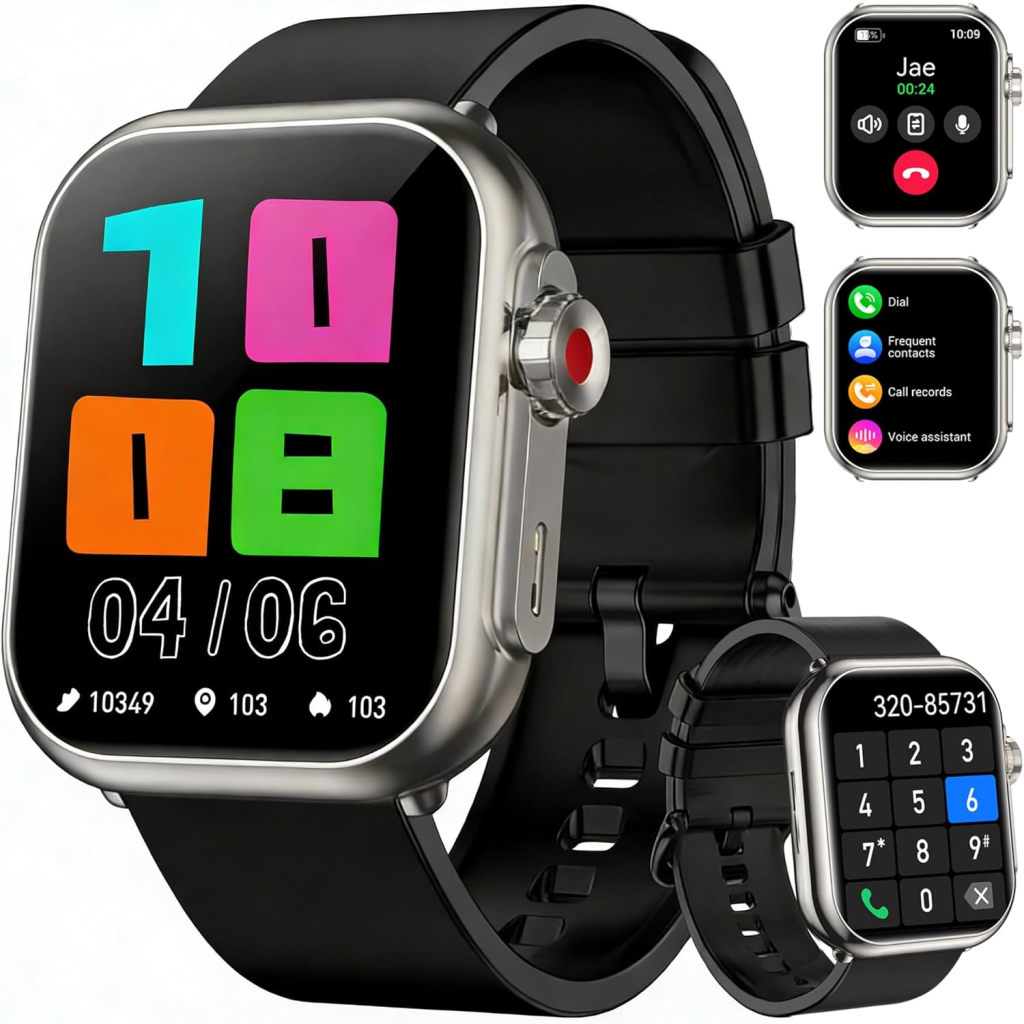
QONBINK recognizes this by making the ECG function simple to access yet paired with clear educational prompts, helping users understand when to use it thoughtfully and when to consult a professional rather than self-diagnose.
The ECG function on smartwatches isn’t for everyone, but it’s a game-changer for specific groups: older adults at AFib risk, people with palpitations seeking answers, and proactive users building long-term heart health baselines. It empowers them with timely data that can lead to earlier intervention—sometimes preventing strokes or other complications. For the rest, it’s a nice-to-have that adds context to overall wellness tracking.
Used correctly—with realistic expectations and prompt follow-up on abnormal results—the feature becomes one of the most impactful health tools a wrist device can offer.
Leave a Comment
Your email address will not be published. Required fields are marked *