
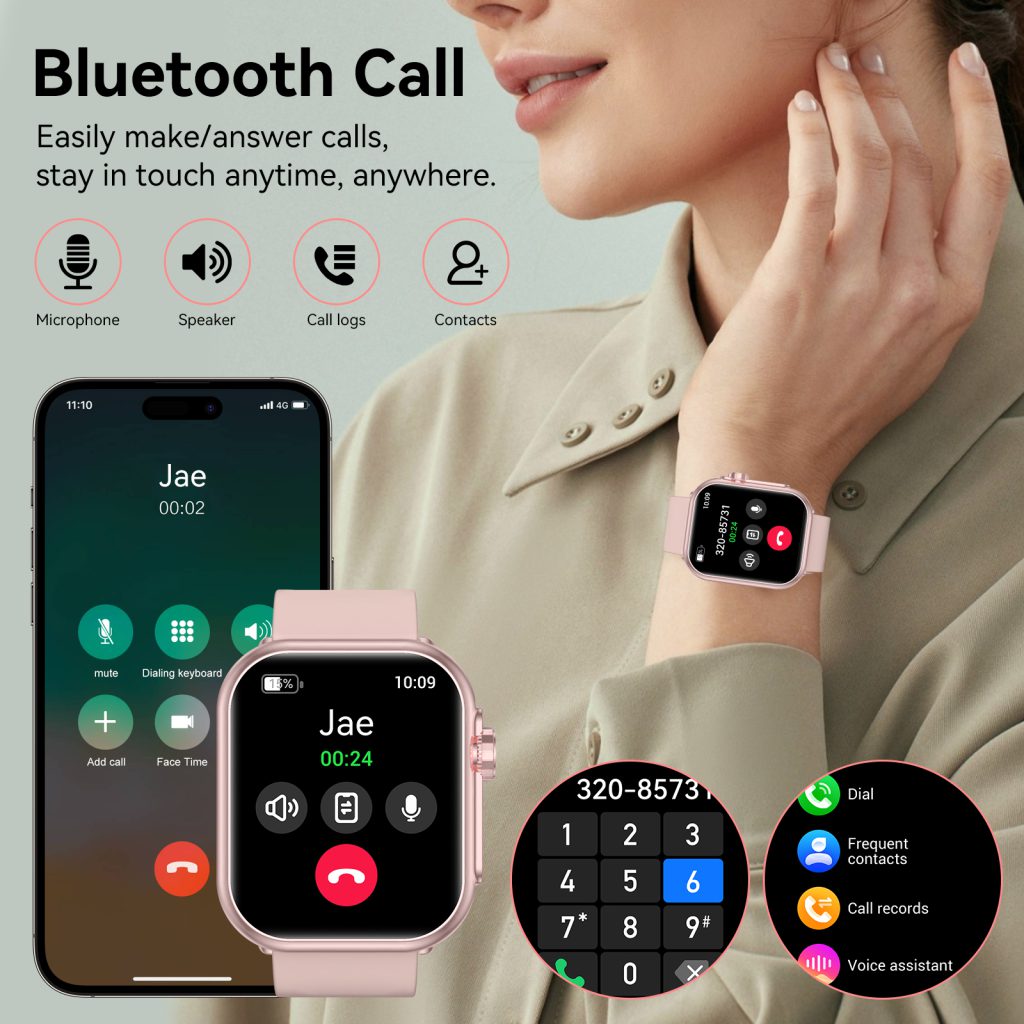
Smart watches have come a long way since the early days of clunky notifications and basic fitness tracking. Today they handle calls, reply to texts, stream music, pay at checkout, navigate with turn-by-turn directions, and monitor detailed health metrics—all from your wrist. With each new generation, the question gets louder: are smartwatches on track to fully replace smartphones?
The short answer is no—not anytime soon—but they are steadily taking over specific roles and changing how many people use their phones.
Current Capabilities: What Smart watches Can Already Do Well
Modern flagship smartwatches cover a surprising amount of daily phone territory.
- Communication basics — Answer calls through a built-in speaker and microphone, read and dictate quick replies to messages, check emails, and manage calendar alerts.
- Media and entertainment — Control music playback, download offline playlists, or even stream podcasts and audiobooks directly to Bluetooth earbuds.
- Payments and access — Tap to pay with digital wallets, unlock compatible doors or cars, and show boarding passes or transit cards.
- Health & navigation — Provide continuous heart-rate tracking, ECG readings, fall detection, GPS-guided runs or rides, and offline maps in some cases.
For short errands, workouts, or casual outings, many users now leave their phone behind and rely entirely on the watch. That freedom feels liberating—less bulk in pockets, fewer distractions, quicker glances at incoming info.
The Hard Limits Keeping Phones in Charge
Despite the progress, several fundamental barriers prevent smartwatches from replacing phones entirely.
Screen real estate remains the biggest hurdle. A 1.5–2 inch display simply can’t deliver the same immersive experience as a 6–7 inch phone screen. Browsing social media feeds, watching videos, editing documents, gaming, or reading long articles feels cramped and frustrating on a watch. Most users still reach for their phone when they need to consume or create substantial content.
Battery life is another stubborn reality. Even the best smartwatches last 1–3 days at most with heavy use; phones routinely go 24–48 hours under similar conditions while powering far more demanding tasks. Constantly charging a watch multiple times a day isn’t practical for most lifestyles.
Input methods lag far behind. Voice dictation works reasonably for short replies, but typing full messages, searching the web in detail, or navigating complex apps is awkward without a full keyboard or large touchscreen.
App ecosystem depth also matters. While watches run thousands of apps, they are almost always companion versions—simplified, limited, and dependent on the phone for heavy lifting. Standalone cellular watches help, but they still lean on phone-level processing power for many background tasks.
Who Might Ditch Their Phone First—and When
Certain user groups are already moving closer to phone-free living.
- Runners, cyclists, and gym-goers who want minimal gear during exercise.
- People in very walkable urban environments who only need basic communication and payments for short periods.
- Older adults or kids who primarily need safety features, location sharing, and simple calls.
- Tech minimalists deliberately reducing screen time and notifications.
Even for these users, the phone usually stays within reach for evenings, travel planning, photography, or anything requiring serious screen time. Full replacement remains niche rather than mainstream.
Where the Balance Is Heading
The more realistic future isn’t replacement—it’s specialization. Smartwatches are evolving into powerful extensions that handle quick, glanceable, always-on tasks, while phones remain the heavy-lifting hub for creation, consumption, and complex workflows.
QONBINK captures this sweet spot perfectly by focusing on reliable, everyday usability—strong battery performance, clear health insights, and seamless phone integration—without pretending to be a phone substitute. It gives users confidence to leave the phone at home for a run or quick trip, knowing the essentials are still covered on their wrist.
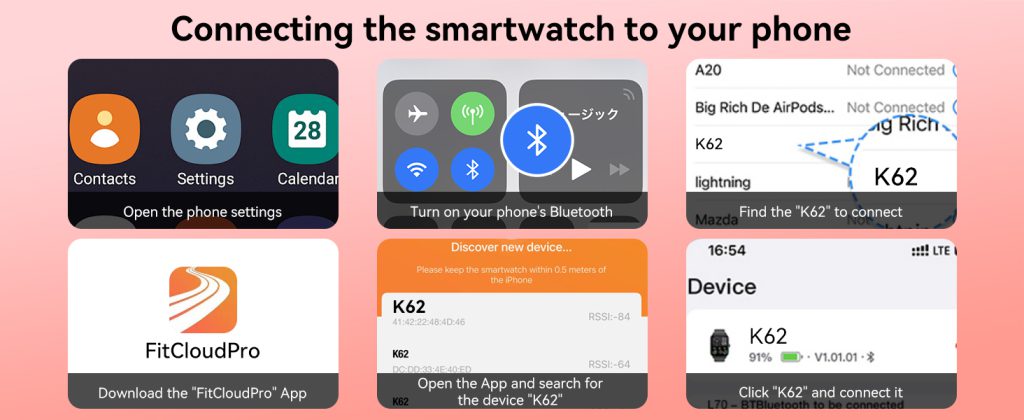
Smart watches won’t replace phones in the foreseeable future, but they don’t need to. They’re carving out their own indispensable role: the always-with-you device for instant access, health awareness, and light interaction. Phones handle the deep work; watches handle the in-between moments. Together they create a more flexible, less intrusive way to stay connected.
Leave a Comment
Your email address will not be published. Required fields are marked *