
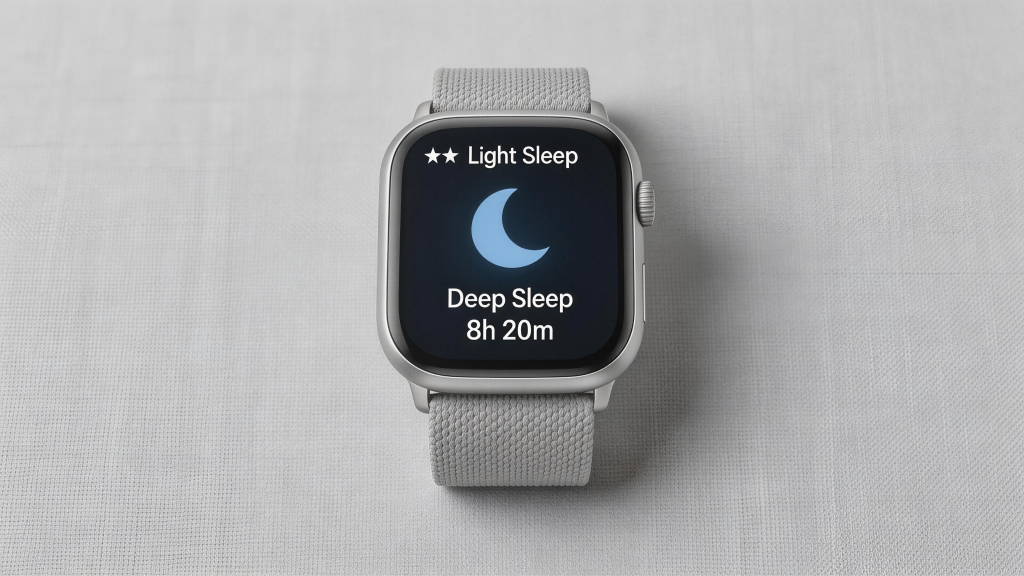
Sleep data from smart watches has become more than just interesting numbers—it’s a daily snapshot of one of the most powerful drivers of physical and mental health. Total hours, stage breakdowns, heart-rate trends, breathing patterns, and recovery scores all tell a story about how well your body is repairing, recharging, and preparing for the day ahead.
When you pay attention to these metrics over weeks or months, patterns emerge that can guide meaningful changes to energy levels, mood, immunity, and even long-term disease risk.
The Core Link Between Sleep and Overall Health
Quality sleep isn’t optional; it’s foundational. During deep (slow-wave) sleep, the body releases growth hormone, repairs tissues, strengthens the immune system, and clears metabolic waste from the brain via the glymphatic system. Chronic shortfalls here are linked to slower recovery from exercise, higher inflammation, weakened immune response, and increased susceptibility to infections.
REM sleep, on the other hand, supports emotional regulation, memory consolidation (especially for facts and experiences), and creative problem-solving. Insufficient REM is associated with heightened anxiety, irritability, difficulty concentrating, and a greater risk of mood disorders over time.
Even light sleep plays a role—it acts as a buffer, helping transition between cycles and preventing excessive fragmentation. When light sleep dominates at the expense of deep and REM, people often wake up feeling “slept but not rested.”
What Specific Metrics Reveal About Your Health
Modern sleep tracking goes beyond total duration to highlight targeted insights.
- Deep Sleep Percentage and Duration Adults ideally get 15–25% of their night in deep sleep (roughly 1–2 hours). Consistently low amounts correlate with poorer physical recovery, higher fasting blood sugar, elevated stress hormones (cortisol), and accelerated signs of aging. Athletes notice it most—skimping on deep sleep delays muscle repair and increases injury risk.
- REM Percentage Typically 20–25% of total sleep. Drops below this range often follow high stress, alcohol consumption, or late-night screen time. Over months, chronic REM reduction ties to memory issues, emotional volatility, and even preliminary links to neurodegenerative risks.
- Sleep Efficiency and Wake After Sleep Onset (WASO) Efficiency above 85% (time asleep divided by time in bed) signals solid sleep architecture. Frequent or long wake periods (high WASO) fragment cycles, reducing restorative stages and leaving you more prone to daytime fatigue, impaired glucose regulation, and weakened cardiovascular resilience.
- Resting Heart Rate and HRV Trends Overnight A lower, stable resting heart rate during sleep reflects good recovery. Higher nighttime rates or declining HRV point to unresolved stress, overtraining, illness onset, or poor sleep environment (too warm, noisy, or bright). These autonomic signals often show problems before you consciously feel them.
- Breathing Disturbances and SpO2 Dips Repeated drops in blood oxygen or irregular breathing patterns can flag potential sleep apnea or other respiratory issues—conditions tied to hypertension, heart strain, daytime sleepiness, and cognitive decline if left unaddressed.
Turning Data into Actionable Health Improvements
The real value isn’t in chasing perfect scores every night; it’s in spotting trends and connecting them to lifestyle choices.
- Notice deep sleep tanks after late meals or alcohol? Shift dinner earlier and cut evening drinks.
- REM consistently low after stressful days? Build wind-down routines—dim lights, no screens, light stretching.
- High wake time and elevated heart rate? Experiment with cooler room temperature (around 65°F/18°C), blackout curtains, or white noise.
Small, consistent adjustments based on your own data often yield bigger gains than generic “sleep hygiene” advice.
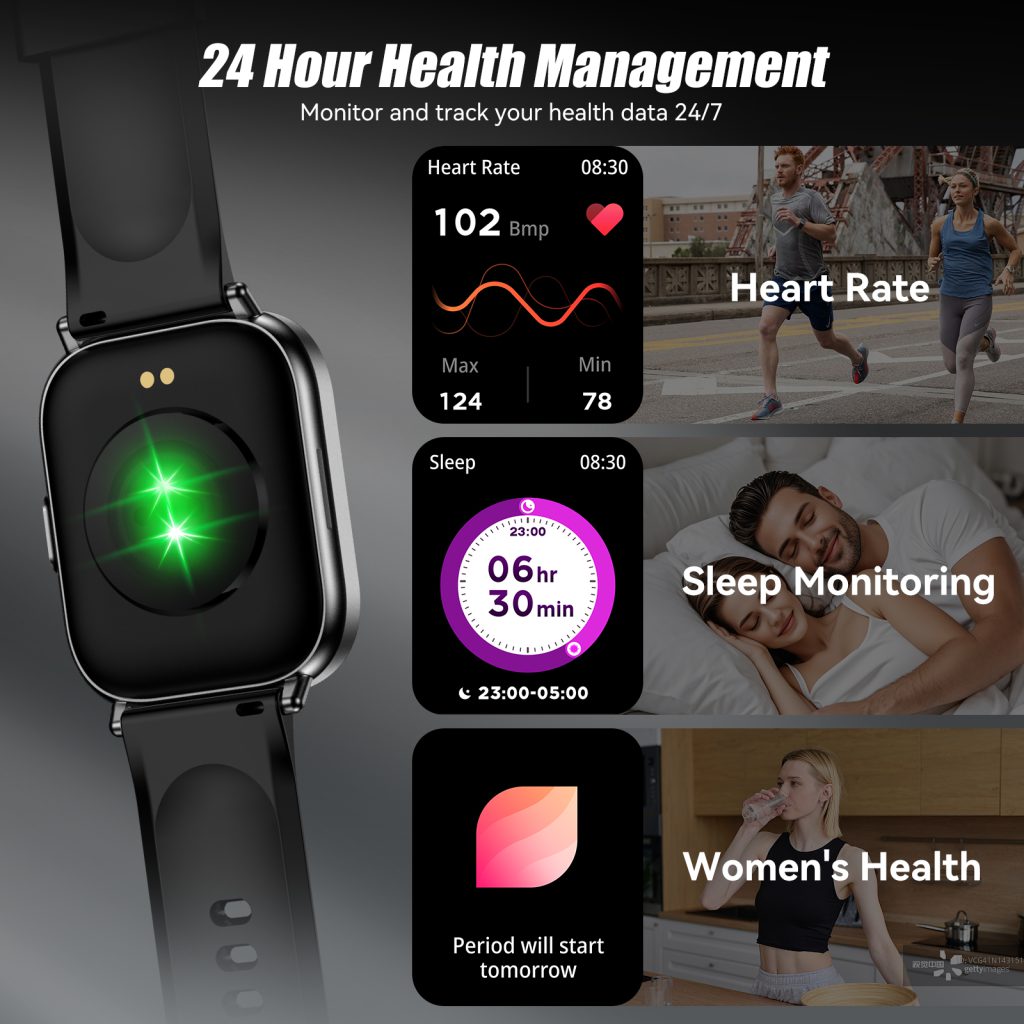
QONBINK stands out by presenting these metrics in a straightforward way—clear stage breakdowns, overnight heart-rate graphs, and simple trend views—so users can quickly see what’s working and what needs tweaking without getting lost in overly technical details.
Prevention Over Cure
Year after year, large-scale studies link habitual poor sleep (short duration, fragmented architecture, low deep/REM) to higher risks of obesity, type 2 diabetes, cardiovascular disease, depression, and cognitive decline. Wearable sleep data gives you an early warning system—often years before clinical symptoms appear.
You don’t need to become obsessed with every percentage point. Instead, use the information to build habits that protect your health foundation: consistent schedules, dark/cool/quiet bedrooms, stress management, and mindful evening routines. When sleep data shows steady improvement—more deep and REM, lower resting heart rate, better efficiency—the payoff shows up in sharper focus, steadier mood, faster recovery, and a genuine sense of vitality.
Sleep isn’t downtime; it’s the most active repair process your body runs.
Leave a Comment
Your email address will not be published. Required fields are marked *