
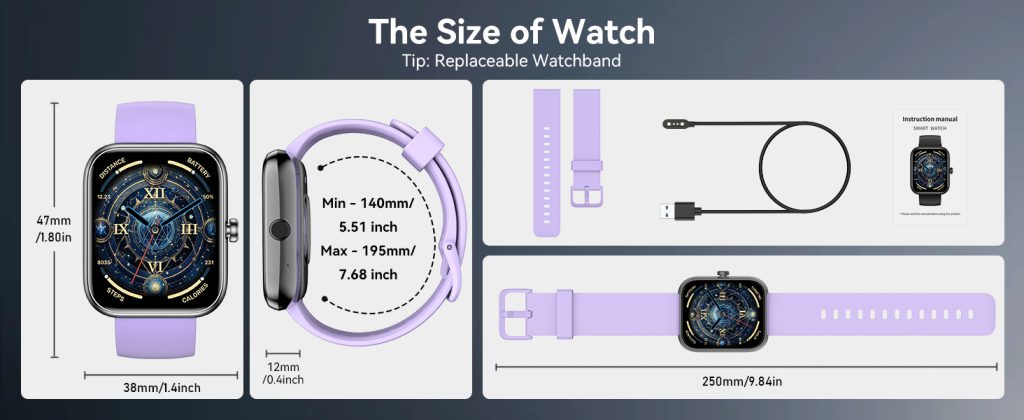
Smart watches have become an everyday essential for millions, tracking steps, monitoring heart rate, delivering notifications, and even helping with workouts. But while we often focus on features like battery life, display quality, or health sensors, one surprisingly important factor gets overlooked: weight. The weight of a smartwatch can dramatically shape your overall experience, from all-day comfort to long-term wearability.
Why Weight Matters More Than You Think
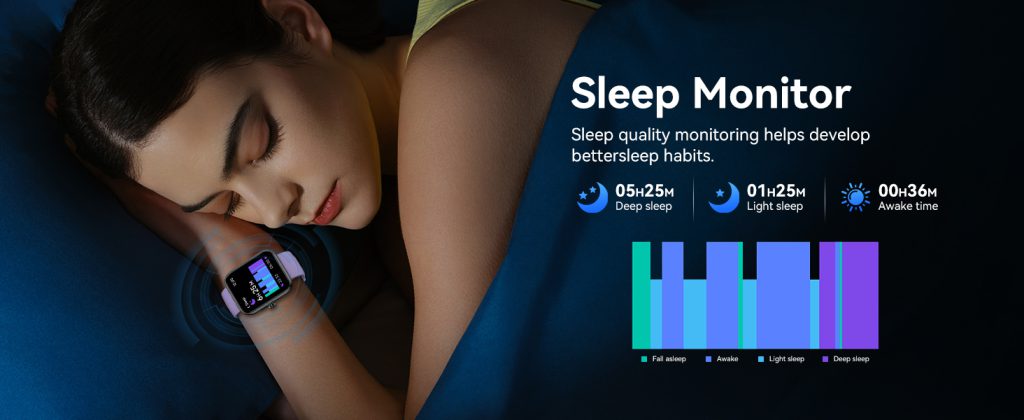
When you strap a smartwatch on your wrist, you’re committing to wearing it for hours—or even days—at a time. A device that’s too heavy creates noticeable pressure, especially during sleep tracking, intense exercise, or simply typing at a desk. Over time, this can lead to wrist fatigue, skin irritation, or the urge to take it off entirely.
Studies on wearable comfort have shown that weight is one of the key design factors influencing how pleasant a device feels. Heavier watches tend to cause more discomfort on smaller wrists or during prolonged use, while lighter models often disappear on your arm, letting you forget you’re even wearing one. Proper weight distribution also plays a role—balanced designs feel less intrusive than those where the bulk concentrates in one spot.
In short, if a smartwatch feels burdensome, you’re less likely to keep it on consistently. That means missing out on continuous sleep data, accurate activity tracking, or timely reminders. Comfort directly affects adherence, and weight is a major driver of that comfort.
How Different Weights Affect Daily Use
- Lightweight models (under 35g without strap): These are often the most comfortable for 24/7 wear. You barely notice them during running, yoga, or office work. Sleep tracking becomes effortless because there’s no added pressure keeping you awake. Many users report forgetting to remove them at night, leading to more complete health insights.
- Mid-range weight (35-50g): This is where most popular smartwatches sit. They strike a reasonable balance for everyday use but can start to feel noticeable after 10+ hours, especially on thinner wrists or during high-movement activities like tennis or weightlifting.
- Heavier models (50g+): Premium builds with stainless steel cases or rugged designs often fall here. While they offer durability and a premium feel, the extra ounces can cause fatigue during long wear periods. Some people only wear them for workouts or specific days rather than all the time.
Wrist size matters too. Smaller wrists amplify the impact of heavier watches, while larger wrists handle more weight without issue. Strap choice helps—breathable, lightweight bands can offset some of the heaviness—but the watch body itself remains the biggest contributor.
Real-World Examples from Popular Smart watches
Many current models highlight how weight influences user preference:
- Apple’s latest aluminum versions often come in around 30-37g depending on size, making them feel light and unobtrusive for most users. This helps explain their popularity for constant wear.
- Samsung’s Galaxy Watch series typically ranges from about 30g in lighter variants to over 60g in classic or ultra models, where the added heft appeals to those wanting a more substantial, watch-like feel but can deter all-day comfort seekers.
- Garmin’s fitness-focused lineup varies widely. Some ultra-thin models weigh as little as 30g, earning praise for being barely noticeable during marathons or daily life, while larger multisport watches push higher weights for rugged features.
- Budget or fitness-oriented options like certain Fitbit or Amazfit models frequently stay under 35g, prioritizing comfort to encourage consistent use.
Manufacturers increasingly use aluminum, titanium, or fiber-reinforced polymers to shave grams without sacrificing strength. The trend toward lighter designs shows that brands recognize weight as a competitive edge in user satisfaction.
Tips for Choosing the Right Weight for You
- Test in person whenever possible—wear the demo model for at least 10-15 minutes to gauge how it settles on your wrist.
- Consider your primary use: If sleep and 24/7 tracking matter most, prioritize under 35g. For rugged outdoor adventures, a bit more weight might be worth it for durability.
- Pair with an adjustable, soft strap to improve weight distribution and reduce pressure points.
- Read user reviews specifically mentioning “comfort,” “light,” or “fatigue” for real-world insights.
The perfect smartwatch feels like an extension of your wrist, not an accessory you endure. Weight might seem minor compared to flashy features, but it quietly determines whether the device becomes a reliable companion or something you leave charging more often than wearing.
Next time you’re shopping, don’t just check specs for battery or sensors—pay close attention to that little gram number. It could make all the difference in how much you actually enjoy your smartwatch every day.
Leave a Comment
Your email address will not be published. Required fields are marked *