
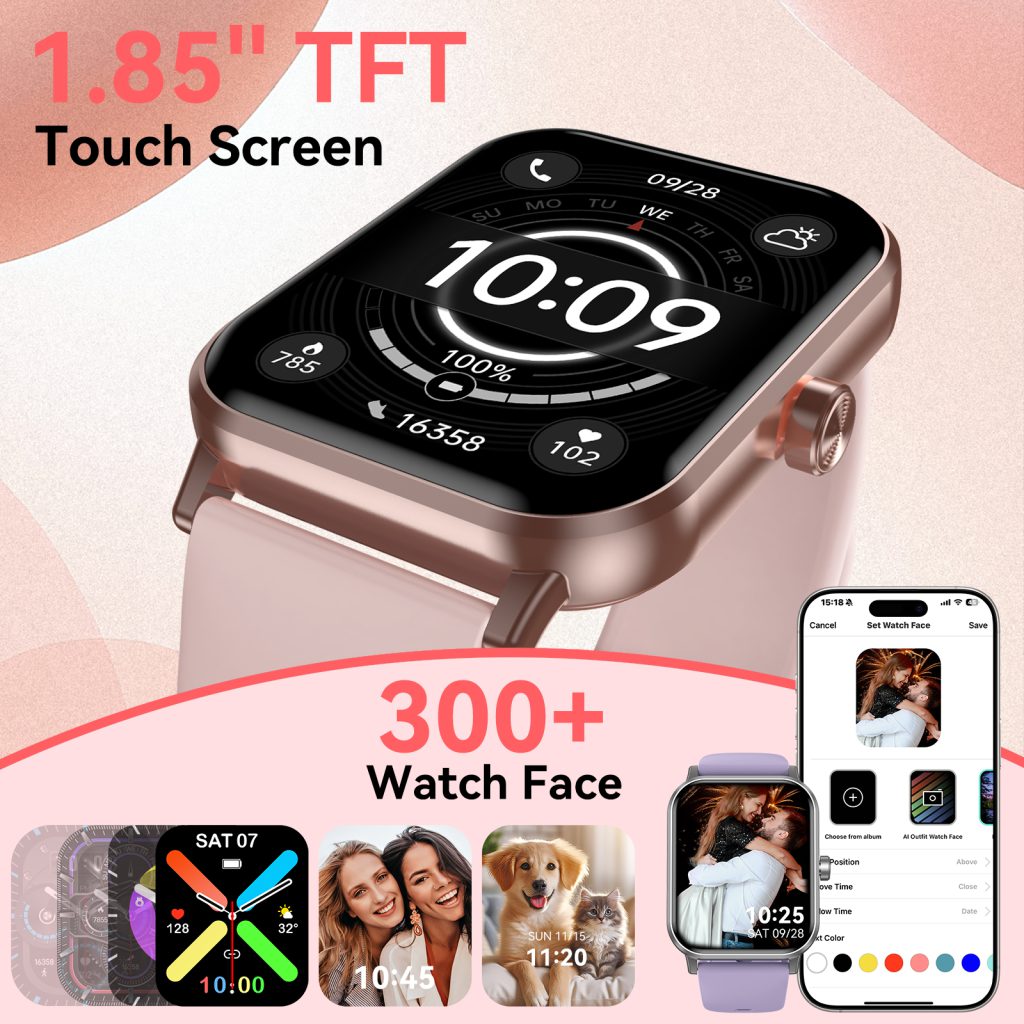
Smart watch design has come a long way from the chunky, tech-heavy bricks of the early days. Today’s models strike a careful balance between functionality, comfort, and style—blending into everyday outfits while packing powerful internals. The latest trends focus on refinement, versatility, and user-centric details that make wearing one feel natural rather than like strapping on a gadget.
Slimmer Profiles and Better Wearability
One of the strongest shifts is toward thinner, lighter cases. Manufacturers have shaved millimeters off thickness without sacrificing battery life or sensor performance. Titanium, aluminum, and ceramic materials dominate premium builds because they feel premium yet keep weight down—often under 40 grams for mid-size models. Rounded edges and curved edges on the case and display reduce digging into the wrist during long wear, especially important for sleep tracking or all-day use.
Straps have evolved too. Quick-release mechanisms are now standard, letting users swap between sporty silicone, breathable woven nylon, leather, or metal mesh in seconds. Hybrid options—leather with perforated sections or silicone with textile accents—bridge casual and formal looks. The goal is clear: a watch that transitions seamlessly from gym to office to evening without looking out of place.
Display Advancements Driving Aesthetics
Screens keep getting better and more integrated. Always-on AMOLED displays with ultra-thin bezels make the face feel larger and more immersive while sipping minimal power. Some models push edge-to-edge glass with no visible borders, giving a floating effect. Bright peak brightness (often 2000+ nits) ensures readability in direct sunlight, and new anti-reflective coatings cut glare without muting colors.
Micro-LED and emerging mini-LED backlights promise even better contrast and efficiency down the line, though AMOLED still rules for its deep blacks and vibrant hues. Flat sapphire crystals on higher-end watches resist scratches far better than standard glass, preserving the clean look over years of wear.
Minimalist and Luxury-Inspired Aesthetics
The industry has leaned heavily into understated elegance. Clean, symmetrical dials with simple index markers or Roman numerals mimic classic watchmaking. Subtle crown placement, recessed buttons, and polished or brushed finishes create a jewelry-like presence. Some brands borrow from traditional horology—rotating bezels for timing, tachymeter scales, or chronograph subdials—while keeping the smart features hidden until needed.
Color palettes have broadened beyond black and silver. Soft pastels, deep greens, warm golds, and matte finishes appeal to wider audiences. Women’s collections often feature smaller 38–42 mm cases with slimmer lugs and more delicate straps, while unisex designs prioritize versatility.
Functionality Expressed Through Design
Practical features now influence looks in smart ways. Raised bezels or protective lips around the screen guard against drops. Side buttons are textured for easier blind operation during workouts. Some models integrate speakers and microphones with minimal grille patterns that blend into the case. Digital crowns have haptic feedback and programmable actions, adding tactile satisfaction without visual clutter.
Sustainability is creeping into design too—recycled aluminum cases, ocean-bound plastic straps, and modular components that extend lifespan. These choices don’t scream “eco,” but they quietly align with modern values.
Why QONBINK Fits the Current Design Direction
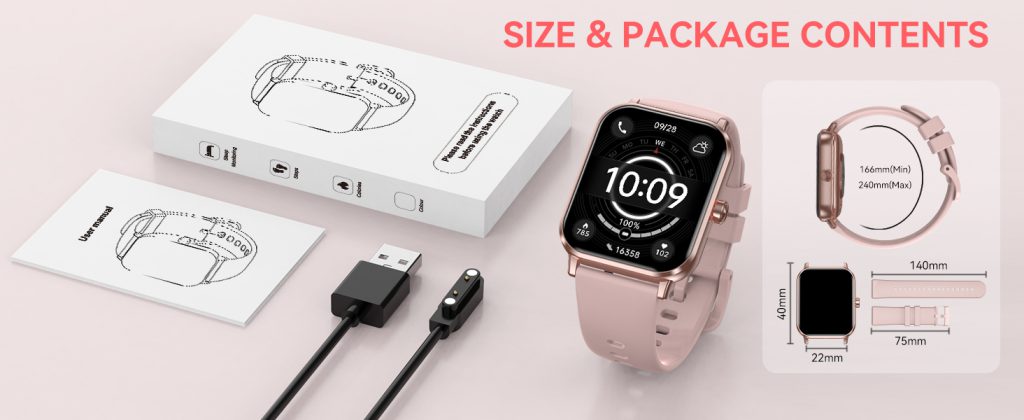
QONBINK captures much of what’s driving today’s trends: a slim, lightweight profile, crisp always-on display, comfortable interchangeable straps, and clean aesthetics that work for daily wear without feeling overly techy. It prioritizes wearability and understated style, making it a solid pick for users who want modern functionality wrapped in a design that doesn’t draw attention for the wrong reasons.
Smart watch design is no longer about shouting “I’m high-tech.” It’s about discretion, comfort, and timeless appeal—devices that feel like natural extensions of your wrist rather than add-ons.
The best models disappear into your routine: you notice the insights they provide, not the hardware itself. As materials improve, displays advance, and personalization grows, the line between traditional watches and smartwatches continues to blur in the best possible way.
Leave a Comment
Your email address will not be published. Required fields are marked *