
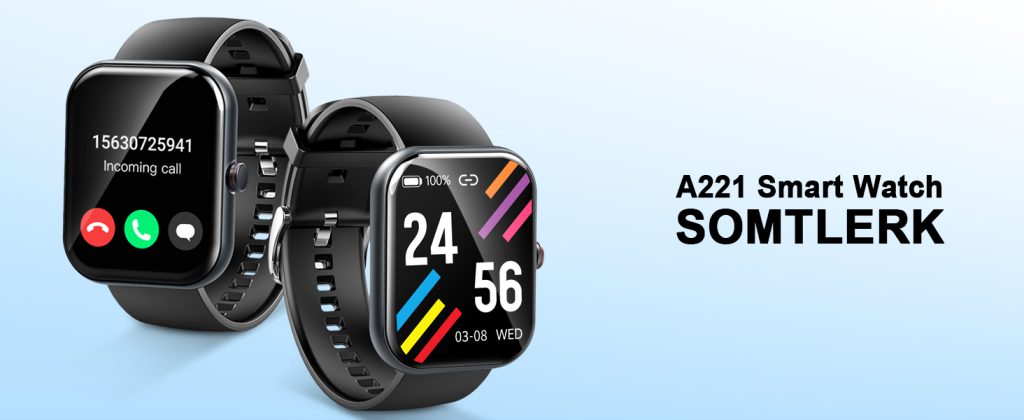
Smart watches have become everyday tools for millions—tracking heart rate, counting steps, delivering notifications, and even detecting falls or irregular rhythms. But with any device worn constantly on your body and packed with sensors, batteries, and wireless signals, it’s natural to wonder: are they actually safe? The good news is that for the vast majority of users, smartwatches are very safe when used as intended. Serious issues are rare, but there are legitimate concerns worth understanding so you can wear yours confidently and minimize any small risks.
Radiation and EMF Exposure
One of the most common worries is electromagnetic field (EMF) radiation from Bluetooth, Wi-Fi, and cellular connections (on models with eSIM).
Smartwatches emit low levels of non-ionizing radiofrequency (RF) energy—similar to phones, but usually much lower because the transmitter is tiny and sits close to the body. Regulatory bodies like the FCC and ICNIRP set strict Specific Absorption Rate (SAR) limits, and virtually every major smartwatch (Apple, Samsung, Google, Garmin, Fitbit) complies well below those thresholds.
Real-world exposure is further reduced because Bluetooth Low Energy (BLE) dominates for most functions, and cellular use is intermittent. Studies on long-term low-level RF exposure haven’t shown clear evidence of harm at levels below current guidelines, though research continues. If you’re extra cautious, you can disable Bluetooth/Wi-Fi when not needed, turn off always-on cellular, or simply use airplane mode during sleep tracking.
Skin Irritation and Allergic Reactions
Contact dermatitis is one of the more frequent complaints.
Nickel in stainless-steel cases or clasps can trigger reactions in sensitive individuals. Some people also get irritation from sweat trapped under silicone bands, tight fits, or leftover manufacturing residues on new straps. Symptoms range from mild redness to itchy rashes that appear after days or weeks of continuous wear.
Prevention is straightforward: choose hypoallergenic materials like titanium, ceramic, or aluminum (which is naturally low-nickel). Opt for breathable or perforated bands, clean the watch and your wrist regularly with mild soap, and loosen the strap slightly at night. If a rash appears, remove the watch for a few days, apply a gentle hydrocortisone cream if needed, and switch to a different band material.
Battery and Overheating Risks
Lithium-ion batteries in smartwatches are small, but they can still overheat if damaged, overcharged, or exposed to extreme conditions.
Cases of swelling, leaking, or minor burns are extremely rare—far less common than with phones or laptops. Most incidents involve counterfeit chargers, sleeping with the watch charging under a pillow, or using non-certified cables. Modern devices have multiple safety circuits to prevent overcharging, short-circuiting, and thermal runaway.
To stay safe: use the original or certified charger, avoid charging overnight on fabric surfaces, don’t wear the watch while charging if it gets noticeably warm, and stop using it immediately if the case feels hot, swollen, or smells odd—contact support right away.
Heart-Rate and Health Sensor Accuracy
Optical heart-rate sensors and ECG features are helpful, but they’re not medical-grade for everyone.
Readings can be thrown off by tattoos, cold hands, loose fit, dark skin tones, or intense motion. False positives (e.g., irregular rhythm alerts that turn out normal) sometimes cause unnecessary anxiety, while false negatives could give false reassurance. No smartwatch is approved as a substitute for professional medical devices.
The safe approach: treat alerts as prompts to check with a doctor, not diagnoses. If you have a known heart condition, discuss watch data with your cardiologist rather than relying on it alone.
Other Minor Concerns
- Sleep tracking pressure — Heavy watches can disrupt sleep if too tight or bulky.
- UV exposure on screen — Some displays fade over years in direct sunlight, but this is cosmetic.
- Data privacy — Health info is sensitive; review app permissions and use strong passcodes.
Safe for Almost Everyone
When you buy from reputable brands, follow basic care guidelines, and listen to your body, smartwatches pose very low risk. The benefits—early awareness of heart irregularities, fall detection for older users, motivation to stay active—often outweigh the small downsides for most people.
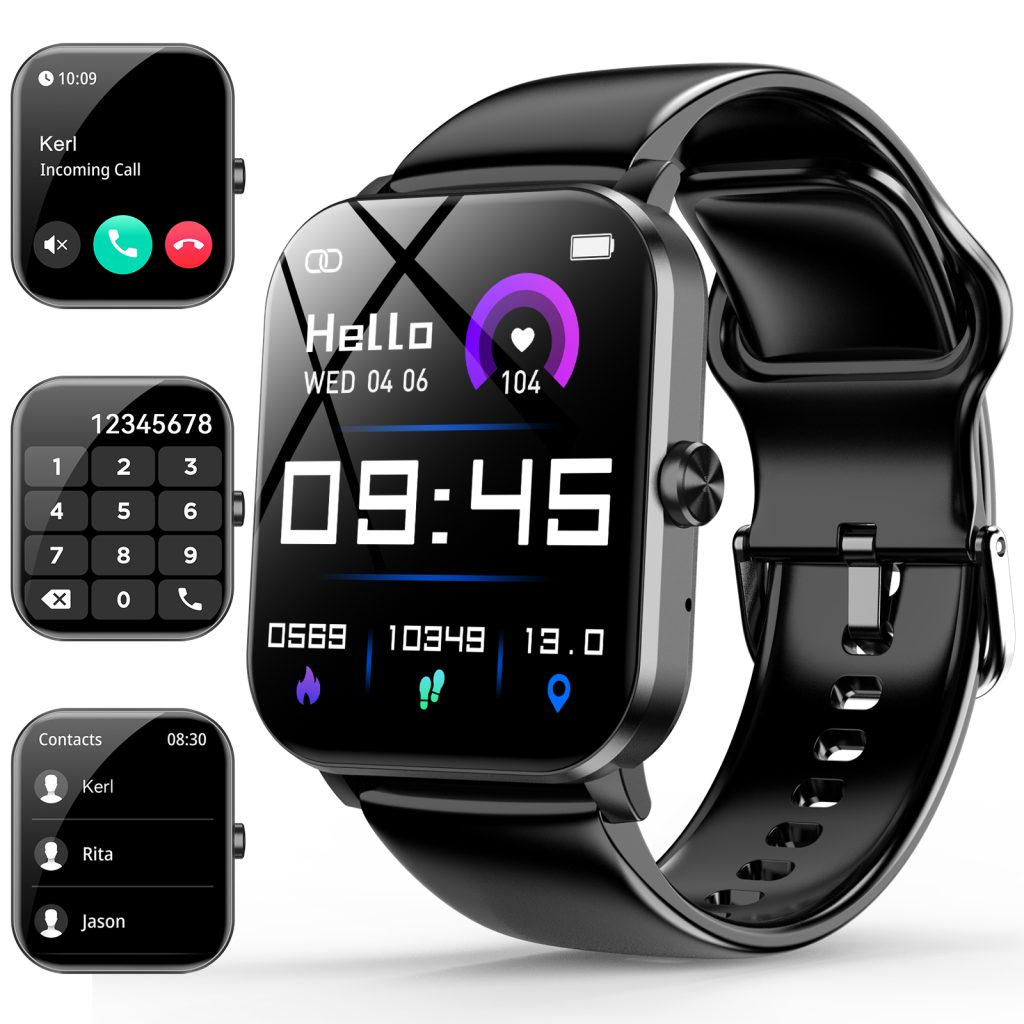
If you have metal allergies, a pacemaker (consult your doctor—most modern ones are fine with low-power Bluetooth), or extreme sensitivity to wearables, choose carefully or skip continuous wear. For the average user, though, the safety record is strong: millions wear them daily without issue.
Leave a Comment
Your email address will not be published. Required fields are marked *