
The smart watch market has grown into one of the most competitive segments in consumer electronics. What started as simple notification extensions on the wrist has exploded into devices that track sleep, measure blood oxygen, detect irregular heart rhythms, make contactless payments, and even double as standalone phones. With giants like Apple, Samsung, Google, Garmin, and Fitbit dominating headlines, smaller brands and new entrants face a clear challenge: how do you stand out when everyone seems to offer similar features?
Understanding the Current Landscape
Today’s smartwatch buyers fall into distinct groups, each with different priorities.
- Premium lifestyle users want seamless integration with their phone ecosystem, beautiful design, and status appeal. Apple Watch dominates here because of its polished interface, tight iOS connection, and strong brand prestige.
- Fitness and outdoor enthusiasts look for long battery life, accurate GPS, advanced training metrics, and rugged builds. Garmin and Coros lead this pack with specialized tools for runners, cyclists, and adventurers.
- Budget-conscious shoppers seek reliable basics—calls, notifications, step counting, and decent heart-rate tracking—without spending hundreds. Brands in the mid-to-low price range fight fiercely for this volume-driven segment.
- Health-focused consumers prioritize medical-grade accuracy, ECG capabilities, blood pressure trends, or sleep apnea detection. This niche is growing fast as wearables edge closer to clinical tools.
The market isn’t winner-takes-all anymore. Instead, it rewards brands that pick a lane and own it deeply rather than trying to be everything to everyone.
Key Strategies for Effective Positioning
Successful positioning boils down to a few repeatable principles.
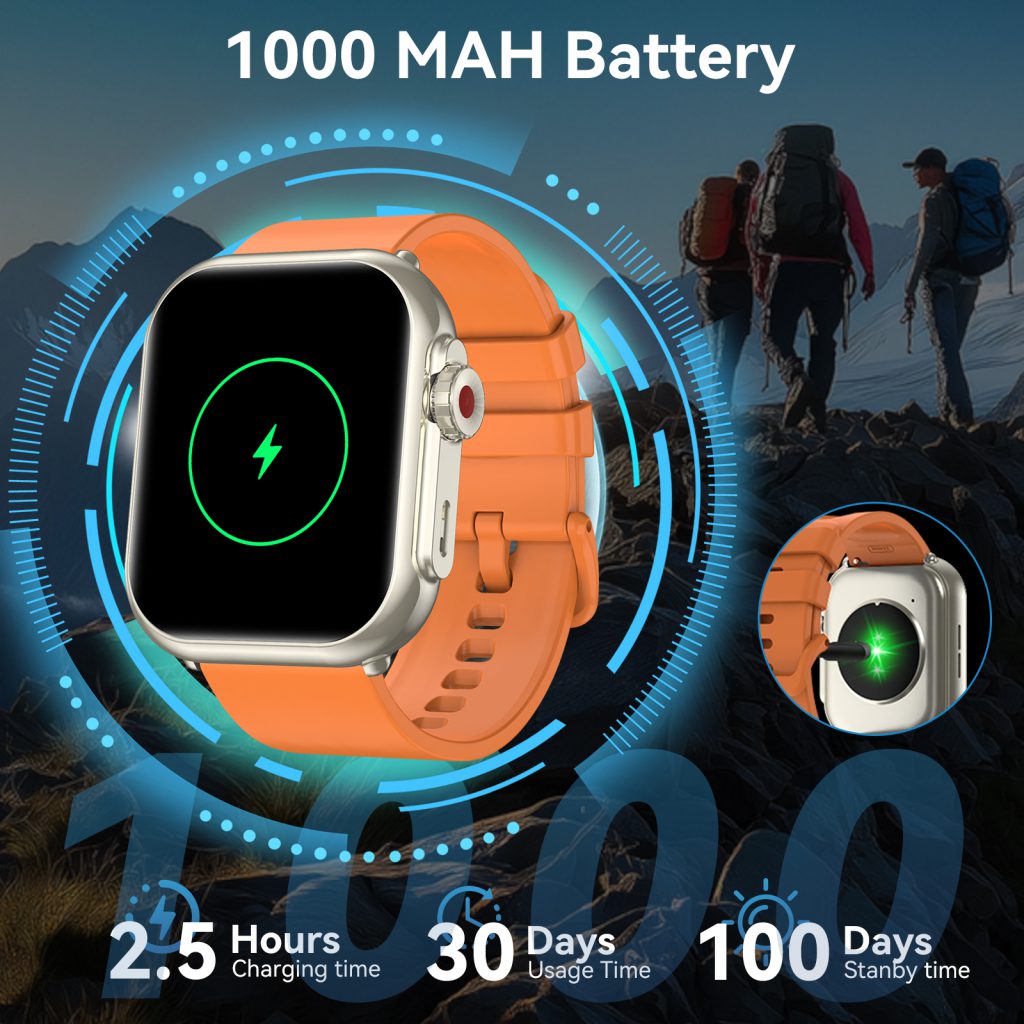
Specialization over generalization Trying to match Apple’s app ecosystem or Garmin’s sports depth is usually a losing battle for newcomers. Instead, focus on one or two unique strengths. Some brands emphasize ultra-long battery life (weeks instead of days), others highlight fashion-forward designs, and a few target niche activities like golf, diving, or meditation tracking.
Price tier clarity Positioning isn’t just about features—it’s about perceived value. A $400 watch that feels like a $150 device will struggle, while a $150 watch that punches above its weight can build fierce loyalty. Clear pricing tiers help consumers quickly decide whether a brand fits their budget and expectations.
Ecosystem alignment Compatibility matters enormously. Android-first brands gain traction among non-Apple users, while cross-platform support opens doors wider. Some newer players carve space by offering better Windows or HarmonyOS integration, addressing gaps left by bigger names.
Storytelling and emotional connection Features alone don’t sell watches anymore. Buyers respond to narratives: empowerment through better health awareness, freedom during off-grid adventures, or effortless style that matches their wardrobe. Brands that tell a compelling story around their “why” tend to create stronger communities.
Standing Out in 2026 and Beyond
The next wave of differentiation is already visible. Sustainability (recycled materials, carbon-neutral manufacturing), privacy-first data handling, repairability, and AI-driven personalized insights are becoming table stakes. At the same time, emerging categories like kids’ smartwatches, senior-focused health monitors, and hybrid analog-digital designs are opening fresh lanes.
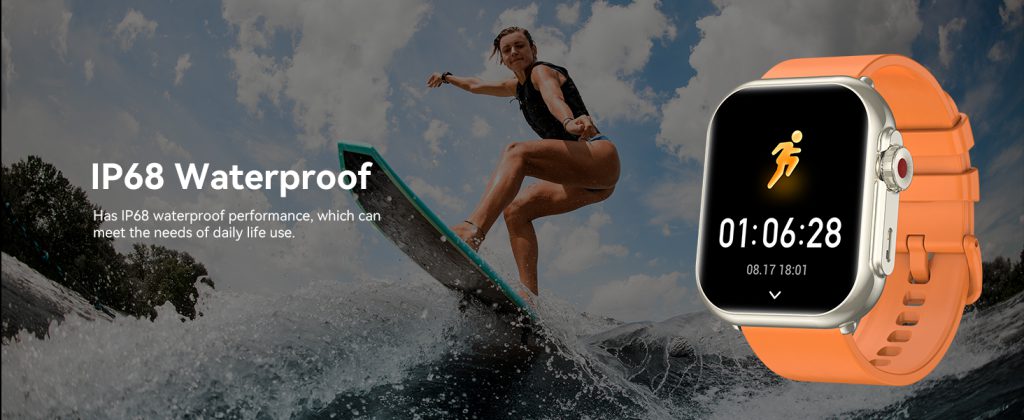
For brands entering or repositioning, the lesson is straightforward: don’t chase the leader—find the underserved gap and dominate it. QONBINK, for instance, has chosen to focus on balanced everyday performance with thoughtful durability and intuitive health tracking, appealing to users who want reliability without complexity or excessive cost.
The smart watch market will keep expanding, but fragmentation will increase too. As technology matures, the winners won’t necessarily be the ones with the most features—they’ll be the ones who best understand who they’re really serving and deliver exactly what that group values most.
Leave a Comment
Your email address will not be published. Required fields are marked *