
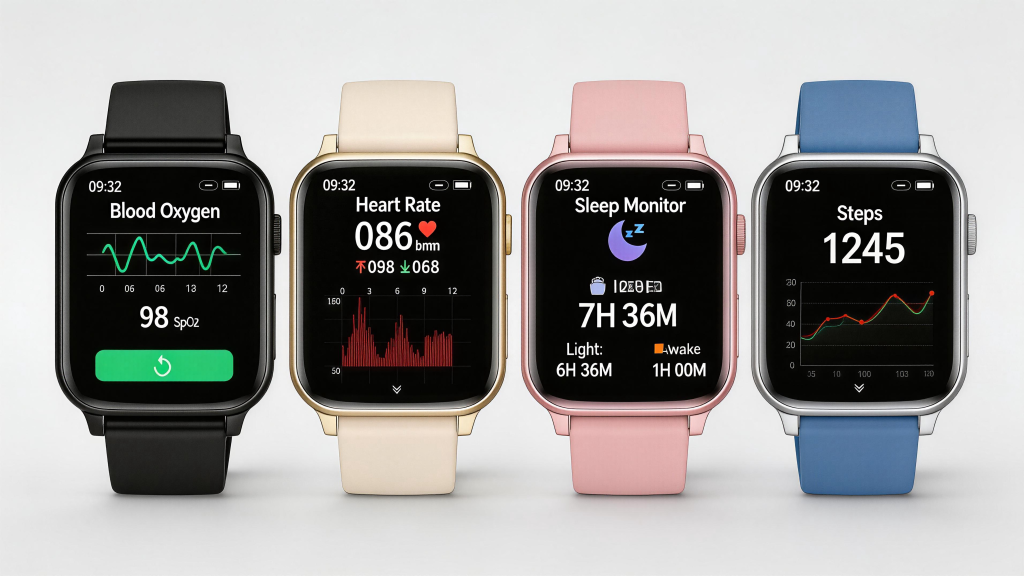
Breathing seems automatic—something we rarely think about until it changes. Yet the way we breathe, how deeply, how fast, and how steadily, carries a surprising amount of information about physical health, stress levels, recovery, and even early signs of illness. Respiration monitoring on modern smart watches brings this hidden signal into view, turning something subconscious into actionable daily feedback. For most people, it starts as a curiosity (“Why did my watch say my breathing rate was high last night?”) and gradually becomes one of the more insightful metrics alongside heart rate and sleep.
Why Breathing Matters as a Health Signal
Respiration rate—the number of breaths per minute—is one of the vital signs doctors check first in any clinical setting. At rest, healthy adults usually fall between 12 and 20 breaths per minute. Deviations outside this range, especially when sustained, can point to issues long before other symptoms appear.
- Elevated rate (>20–25 bpm at rest) often accompanies stress, anxiety, pain, fever, respiratory infections, or early heart/lung strain.
- Low rate (<10–12 bpm) during wakefulness can signal over-sedation, certain neurological conditions, or very deep relaxation (e.g., advanced meditation).
- Irregular patterns — pauses, shallow breaths, or sudden changes — may hint at sleep-disordered breathing like apnea or hypopnea.
Beyond the raw count, watches now look at breathing depth (tidal volume approximation), consistency, and overnight variability. These add layers: steady, deep breathing during sleep usually means good recovery; frequent shallow or erratic breaths often correlate with fragmented sleep or unresolved stress.
How Smart watches Actually Measure Respiration
No current wrist device directly counts breaths like a chest belt. Instead, they use indirect methods that have become remarkably accurate for trend tracking:
- Accelerometer-based motion detection — The watch senses subtle up-and-down or rotational movements of the chest/abdomen transmitted through the wrist. During quiet periods (especially sleep), these micro-movements form a clear periodic signal that algorithms convert into breaths per minute.
- Photoplethysmography (PPG) modulation — The same optical sensor used for heart rate picks up slight variations in blood volume caused by respiratory cycles. Inhalation slightly increases venous return and pulse amplitude; exhalation does the opposite. Advanced filtering isolates this slower respiratory component from the faster heartbeat signal.
- Multi-sensor fusion — Combining motion and PPG data, plus heart-rate variability patterns, improves reliability. Some models also factor in skin temperature or SpO2 dips to flag potential disturbances.
Overnight tracking is usually the most dependable because movement is minimal and breathing becomes rhythmic. Daytime spot checks work best when you’re sitting still; activity or talking can introduce noise that temporarily reduces accuracy.
Practical Insights Respiration Data Provides
Once you start paying attention, breathing metrics reveal patterns that tie directly to lifestyle and health:
- Stress & recovery — A persistently elevated nighttime breathing rate often tracks with poor HRV recovery and higher stress scores.
- Sleep quality — Repeated rate spikes or pauses during sleep frequently align with low deep/REM percentages and next-day fatigue.
- Fitness & adaptation — Athletes may notice lower resting rates after consistent training, reflecting improved cardiorespiratory efficiency.
- Early alerts — Sudden unexplained increases (e.g., 5–10 bpm above your norm) during rest can precede colds, allergies, or overtraining symptoms by a day or two.
The real power isn’t in single readings—it’s in trends. A gradual upward creep over weeks might prompt better stress management or a doctor visit; consistent improvement after cutting late caffeine or optimizing bedroom ventilation feels validating.
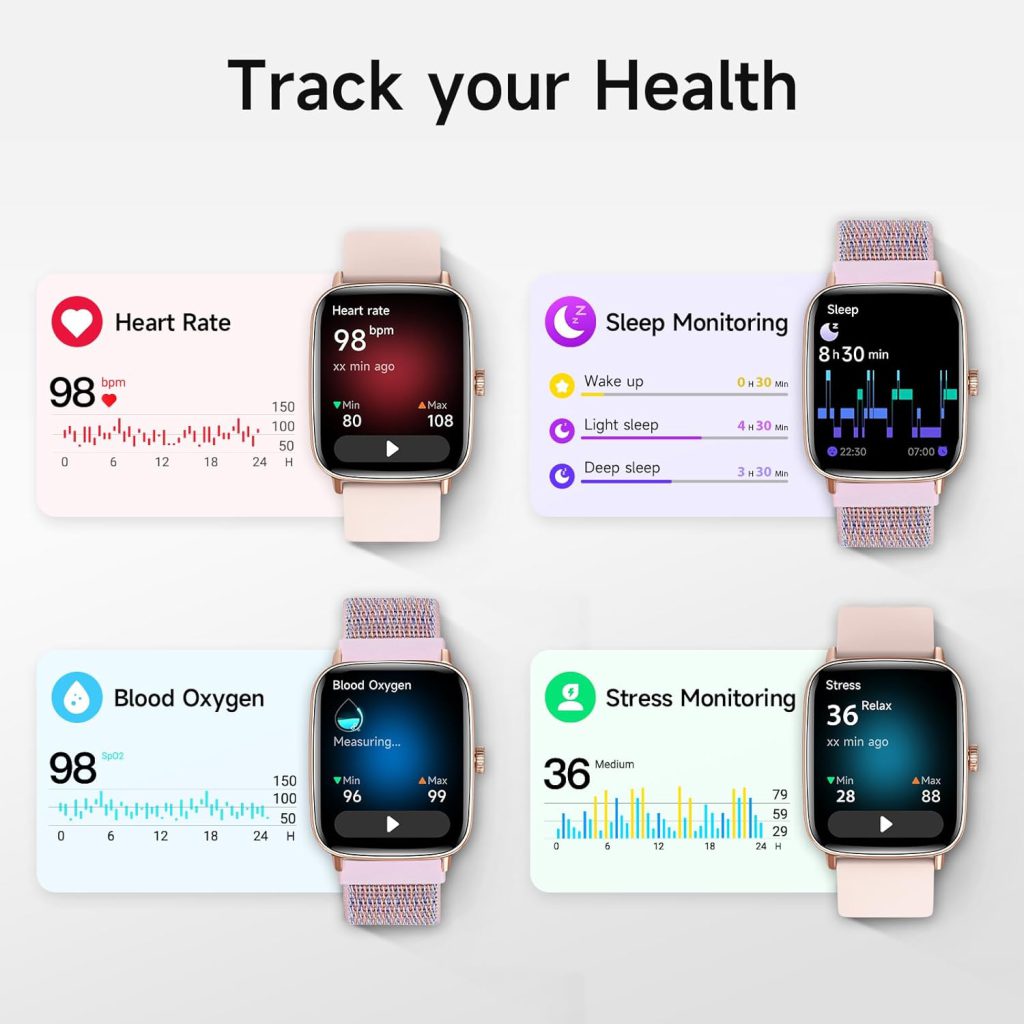
QONBINK incorporates respiration monitoring with a focus on clean overnight patterns and clear trend visualization, so users can easily connect breathing changes to their sleep, stress, and daily energy without needing to decode complex charts.
Getting the Most from Respiration Tracking
For reliable data:
- Wear the watch snugly (but not painfully tight) during sleep.
- Take daytime spot checks while sitting quietly for at least 1–2 minutes.
- Compare against your personal baseline rather than generic “normal” ranges.
- Cross-reference with how you feel—numbers alone don’t tell the full story.
Respiration monitoring isn’t about obsessing over every breath. It’s a quiet way to stay tuned to one of your body’s most fundamental rhythms. Over time, noticing when your breathing shifts—deeper and slower after a good night, faster during tense days—builds a sharper sense of what keeps you balanced and what throws you off. In a world full of distractions, paying attention to something as basic as breathing can be one of the simplest paths back to feeling more in control of your health.
Leave a Comment
Your email address will not be published. Required fields are marked *