
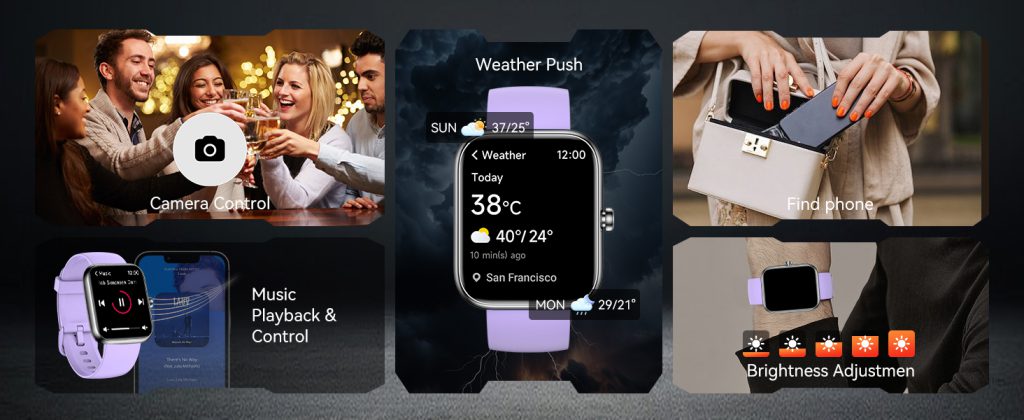
Smart watches started as extensions of smartphones—little screens on your wrist for notifications and basic fitness steps.
What once counted as a “smartwatch” is now a broader, more sophisticated category: wrist-worn devices with independent operating systems, advanced sensors, wireless connectivity, and capabilities spanning health monitoring, payments, AI assistance, and even standalone cellular functions. Market reports define them as app-capable wearables that collect and display real-time data like heart metrics, notifications, voice commands, or contactless payments, often running dedicated OS platforms like watchOS, Wear OS, or HarmonyOS.
This evolution reflects consumer demands and tech leaps. No longer just gadget sidekicks, smartwatches position themselves as personal health companions, productivity tools, and lifestyle hubs.
Shifting Market Definitions and Scope
Industry analysts have refined how they classify smartwatches to capture the changes. Early definitions focused on touchscreen displays and smartphone syncing. Today, emphasis falls on autonomy: devices that host their own OS, integrate wireless radios (Bluetooth, Wi-Fi, cellular), and process data on-device via powerful chips and AI.
Key scope expansions include:
- Health and medical integration — From basic step counting to advanced biosensors tracking blood pressure, ECG, blood oxygen, skin temperature, fall detection, and even early glucose monitoring hints.
- Standalone functionality — Many models now work fully without a paired phone, thanks to eSIM support and built-in storage for music, maps, or calls.
- Personalization and AI — On-device processing enables gesture/voice controls, adaptive interfaces, and predictive health insights.
Reports from sources like Mordor Intelligence and GlobeNewswire highlight this: smartwatches are wrist-worn, app-hosting devices for real-time health, connectivity, and payments—far beyond the 2010s fitness-band hybrids.
Current Market Size and Growth Drivers
The smartwatch market shows strong momentum in 2026, though projections vary by source and metric (revenue vs. units shipped). Revenue estimates range from around $35–$122 billion for the year, with unit shipments hitting roughly 279 million. Growth rates hover between 9–21% CAGR depending on the forecast horizon, fueled by:
- Rising health awareness post-pandemic, pushing demand for continuous monitoring.
- Smartphone saturation driving accessory adoption.
- Tech advances in low-power sensors, longer batteries, brighter displays (AMOLED to emerging Micro-LED), and AI integration.
- Expansion into emerging markets and demographics, like women-focused health features or corporate wellness programs.
By 2030–2035, optimistic forecasts see the market doubling or tripling, reaching $200+ billion, as wearables blend deeper into preventive healthcare and telemedicine.
Major Trends Shaping the Industry Definition Right Now
Several forces are redefining what a smartwatch “is” in 2026:
- Health-first evolution — Wearable technology tops fitness trend lists (e.g., ACSM’s 2026 #1 spot), with advanced biosensors making smartwatches quasi-medical tools. FDA clearances and telemedicine links boost credibility.
- Competition from adjacent wearables — Smart rings, advanced fitness bands (like WHOOP), and emerging smart glasses challenge wrist dominance, forcing smartwatches to emphasize larger screens, richer apps, and multifunctionality.
- OS and ecosystem battles — watchOS holds strong share, but HarmonyOS surges in price-sensitive regions, while Wear OS gains from broader Android compatibility.
- Premium and luxury shifts — High-end models merge titanium/sapphire builds with extended battery life and proprietary features, blurring lines between traditional luxury watches and tech.
- Sustainability and inclusivity — More focus on durable, repairable designs and features for diverse users, including older adults or specific health needs.
These trends push the category toward “personal intelligent wearables” rather than mere timepieces.
What This Means for Buyers and the Future
For everyday users, the expanded definition means more choice: casual fitness folks grab affordable models with solid tracking, while serious athletes or health-conscious buyers seek medical-grade sensors and standalone power. The industry now rewards devices that deliver seamless, insightful experiences over gimmicks.
Looking ahead, expect even tighter integration with AI for predictive wellness, better cross-device ecosystems, and perhaps hybrid designs blending analog aesthetics with smart internals. The smartwatch isn’t just evolving—it’s redefining personal tech on your wrist.
2026 marks a mature phase where smartwatches aren’t accessories anymore; they’re essential, always-on companions shaping how we track, connect, and care for ourselves.
Leave a Comment
Your email address will not be published. Required fields are marked *