
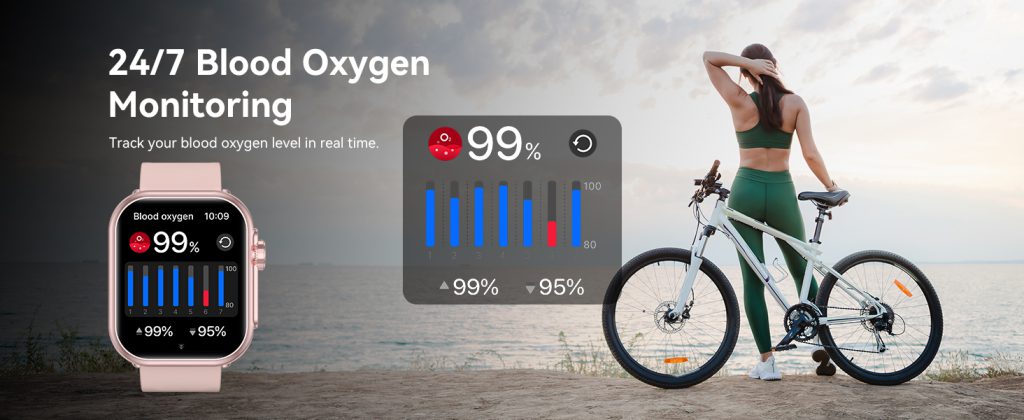
Seeing your blood oxygen level (SpO2) pop up on a smart watch feels straightforward at first glance—just a percentage that should ideally stay high. In reality, those numbers carry layers of context. A single reading rarely tells the full story; trends, timing, your activity level, and even where you live all influence what “normal” looks like.
What the Numbers Actually Mean
SpO2 measures the percentage of hemoglobin in your arterial blood carrying oxygen. Healthy adults at sea level typically range between 95% and 100%. Anything consistently in the mid-to-high 90s is considered normal for most people.
- 95–100% — Excellent oxygenation. This is the zone you’ll see during calm, rested moments or light daily activities.
- 93–94% — Borderline. Occasional dips here during sleep or brief exertion aren’t usually concerning, especially if you feel fine.
- Below 92% — Worth attention. Sustained readings in the low 90s or below, particularly at rest and without obvious explanation (like high altitude), should prompt a closer look—especially if paired with fatigue, shortness of breath, headaches, or bluish lips/fingertips.
Keep in mind these are general adult guidelines. Children, people with chronic lung conditions (COPD, asthma), or those living at elevation often have different baselines.
Context Matters: When and Where You Measure
A reading taken right after sprinting up stairs will naturally be lower than one measured while lying in bed. Timing and conditions change everything.
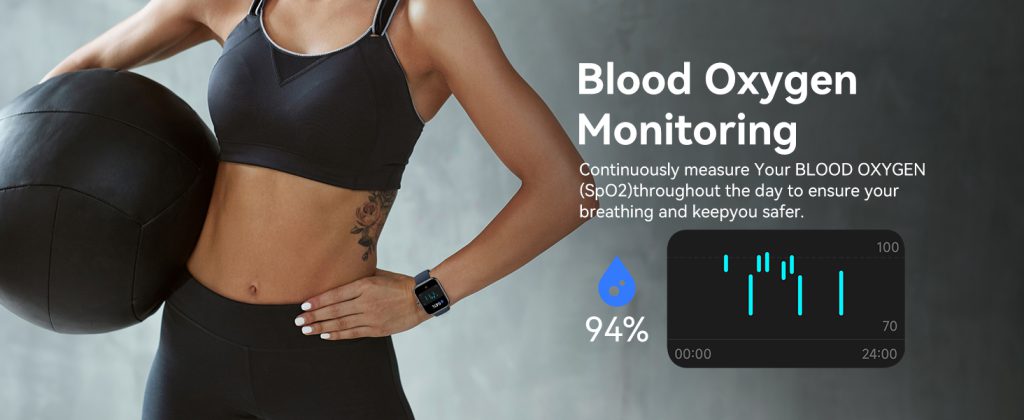
- During Sleep Overnight SpO2 tracking reveals breathing patterns. Brief dips below 90% can happen during REM sleep or with positional changes, but frequent or prolonged drops may hint at sleep apnea or other disturbances. Look for averages above 92–93% and minimal time spent below 90%.
- At Rest vs. Activity Resting daytime readings should stay high (95%+). During moderate exercise, a small drop (2–4%) is normal as oxygen demand rises. Sharp or persistent declines during light effort can signal poor recovery or underlying issues.
- Altitude Impact At 5,000 feet (1,500 m) or higher, expect averages 3–5% lower than sea level. At 10,000 feet (3,000 m), 88–92% can be typical for acclimatized people. Acclimation takes days to weeks—watch how your numbers trend as you adjust.
Sudden unexplained drops or erratic swings deserve more scrutiny than a stable but slightly lower baseline.
Spotting Patterns Over Single Readings
One low reading after climbing stairs or during a cold isn’t alarming. Patterns are what matter.
- Consistent overnight dips below 90% → Possible sleep-disordered breathing.
- Gradual downward trend over weeks → Could relate to fatigue, respiratory infection, or environmental factors (poor air quality, smoking exposure).
- SpO2 that recovers slowly after exercise → Indicator of cardiovascular fitness level or recovery status.
Pair SpO2 data with heart rate, sleep stages, and how you feel. If the watch flags “low oxygen” alerts repeatedly but you feel perfectly fine, cross-check with a medical-grade fingertip oximeter. Wrist-based sensors are convenient but can overestimate or underestimate by a few points compared to clinical devices.
Practical Tips for Better Interpretation
- Measure under consistent conditions (same time of day, relaxed posture, arm at heart level).
- Take spot checks when calm, not right after eating, drinking caffeine, or smoking.
- Track trends in the app rather than obsessing over daily fluctuations.
- If readings frequently fall below 92% at sea level with symptoms, consult a doctor—don’t self-diagnose serious conditions from wearable data.
Smart watches provide a window into trends that were once invisible without hospital equipment. Use them to notice changes early, motivate better habits (deeper breathing, better sleep posture), and spark conversations with healthcare providers when something looks off.
Interpreting SpO2 isn’t about chasing a perfect 100% every minute—it’s about understanding your body’s normal range and recognizing meaningful deviations.
Leave a Comment
Your email address will not be published. Required fields are marked *