
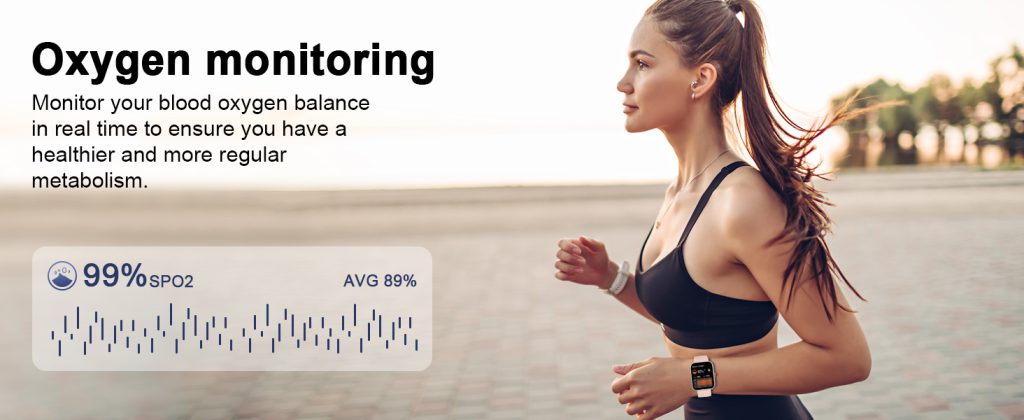
Blood oxygen saturation—commonly displayed as SpO2—has become a standard feature on many smartwatches. A quick spot check during the day or overnight tracking during sleep can give users early hints about how well their body is oxygenating tissues. What looks like a simple percentage on the screen actually relies on sophisticated optical physics and careful signal processing.
The Foundation: Pulse Oximetry via Light Absorption
Smartwatches use a method called reflectance pulse oximetry, a wrist-adapted version of the same technology found in medical fingertip clip-on oximeters.
Two (or more) different wavelengths of light—typically red (~660 nm) and infrared (~940 nm)—shine from LEDs on the underside of the watch into your skin. A nearby photodetector measures how much of each wavelength reflects back.
- Oxygenated hemoglobin (HbO₂) absorbs more infrared light and less red light.
- Deoxygenated hemoglobin (Hb) absorbs more red light and less infrared.
By comparing the ratio of absorbed red to infrared light, the device calculates the percentage of hemoglobin saturated with oxygen (SpO2). The alternating component of the signal (caused by each heartbeat pulsing blood through capillaries) isolates the arterial blood signal, filtering out static tissue and venous blood interference.
This ratio is plugged into an empirical calibration curve—developed from large-scale clinical studies—to convert raw light data into an SpO2 percentage. Modern algorithms continuously refine this process with motion data from the built-in accelerometer.
Why Red and Infrared? The Key to Differentiation
The choice of these specific wavelengths isn’t random. At around 660 nm (red), the absorption difference between oxygenated and deoxygenated hemoglobin is large, providing strong contrast. At 940 nm (infrared), both forms absorb similarly, but the overall signal is less affected by skin pigments and motion artifacts. Combining the two creates a robust ratio that remains relatively stable even when conditions aren’t perfect.
Some advanced models add green light for heart-rate detection and sometimes a third wavelength to improve performance on darker skin tones, where melanin absorbs shorter wavelengths more aggressively.
Practical Challenges and Accuracy Influencers
While the principle is sound, real-world wrist-based monitoring faces hurdles that fingertip medical devices avoid.
- Motion and Poor Perfusion Wrist movement introduces noise that can overwhelm the tiny pulsatile signal. Low blood flow (cold hands, vasoconstriction, or poor circulation) weakens the pulse amplitude, making it harder to distinguish arterial changes. Most watches pause or flag unreliable readings during heavy activity.
- Skin Contact and Fit Gaps between sensor and skin let ambient light in, diluting the signal. Tattoos, wrist hair, lotions, or even natural skin variations scatter light unpredictably. Snug, consistent contact is essential—usually achieved by wearing the watch slightly tighter during spot checks.
- Altitude, Breathing Patterns, and Health Conditions At higher elevations, lower ambient oxygen naturally reduces SpO2. Sleep apnea episodes cause dips that the watch can detect. Chronic lung conditions or anemia alter baseline hemoglobin behavior, sometimes leading to readings that need clinical context.
Typical wrist-based SpO2 accuracy hovers around ±2–4% compared to medical-grade devices under ideal resting conditions. During sleep or quiet moments, it performs best; active movement drops reliability significantly.
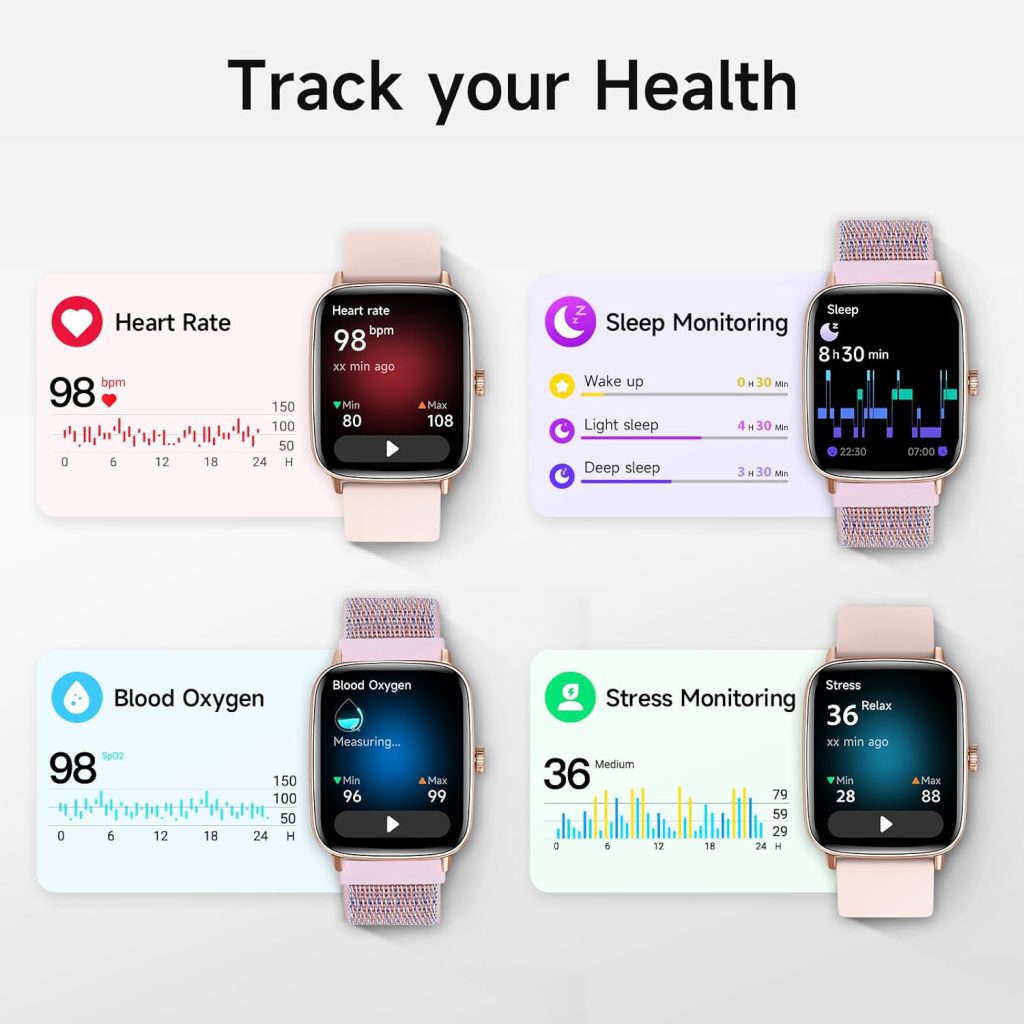
QONBINK addresses many of these challenges with a refined multi-LED array, enhanced signal filtering, and user prompts for optimal positioning, helping deliver more consistent SpO2 insights for everyday wellness tracking.
When to Rely on Wrist SpO2—and When Not To
For general wellness—spot-checking during rest, tracking overnight trends, or noticing patterns during flights or high-altitude hikes—wrist-based monitoring provides valuable, convenient data. Persistent readings below 92–93% at sea level (especially with symptoms like shortness of breath) warrant professional follow-up.
It’s not a medical diagnostic tool. If you need precise, continuous monitoring for conditions like COPD or during anesthesia, stick to FDA-cleared fingertip oximeters. But for proactive awareness in healthy adults, the technology has matured enough to be genuinely useful.
Blood oxygen monitoring on smartwatches rests on elegant physics: exploiting hemoglobin’s wavelength-specific light absorption to peek at arterial oxygenation without breaking the skin. When fit is good, motion is minimal, and perfusion is adequate, the numbers offer meaningful insights into respiratory health and recovery.
Leave a Comment
Your email address will not be published. Required fields are marked *