
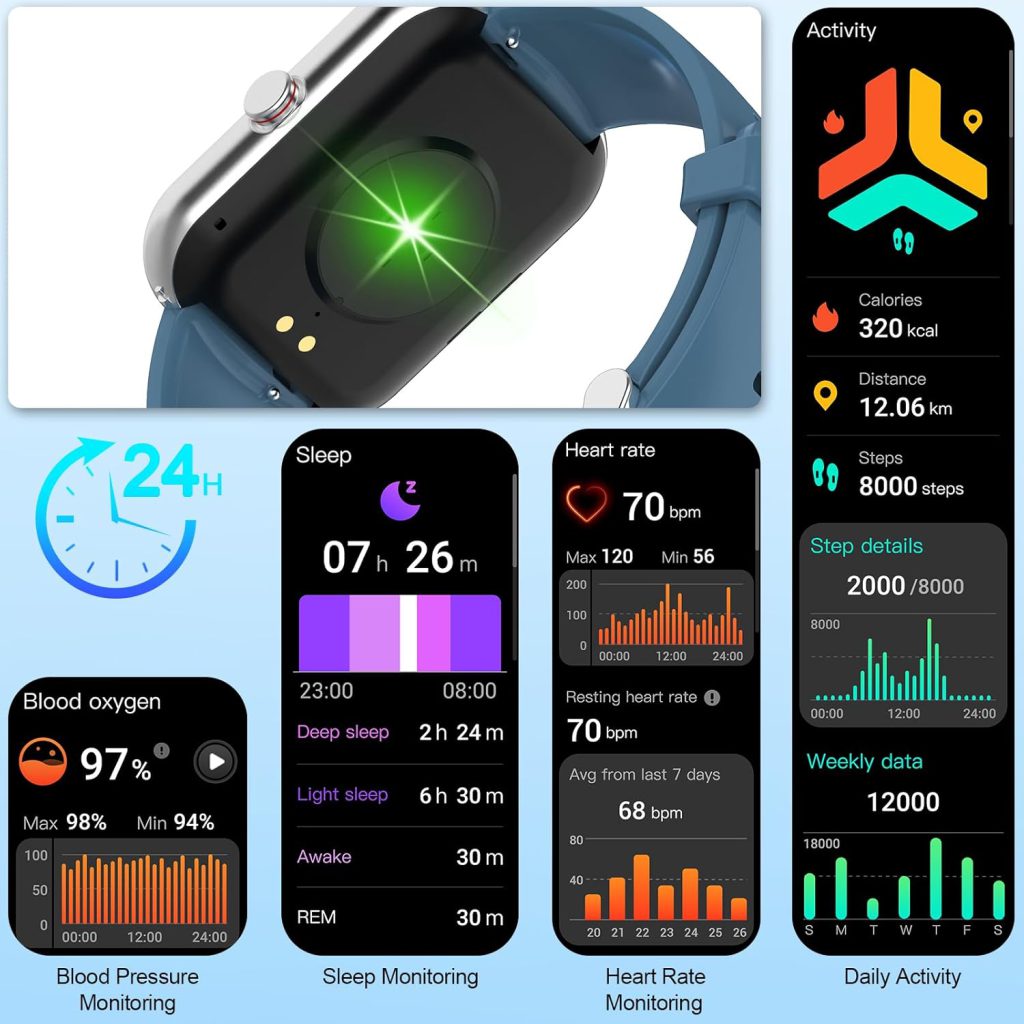
Heart rate monitoring on wearables has transformed from a novelty to a staple for health-conscious users. Whether you’re tracking workouts, monitoring stress, or watching for irregularities, that BPM number on your screen feels like a direct line to your body’s inner workings. But how accurate are these readings really? Digging into the factors that affect precision reveals a mix of impressive tech and real-world limitations.
The Science Behind the Numbers
Most smart watches use optical sensors—specifically photoplethysmography (PPG)—to measure heart rate. Light from LEDs shines into your skin, and detectors capture how much gets absorbed or reflected back as blood pulses through capillaries. This creates a waveform that algorithms convert into beats per minute.
Under controlled conditions, like sitting still in a well-lit room, accuracy can rival professional equipment. Studies show PPG-based monitors often stay within 5-10 BPM of chest strap references during rest. For moderate activities like walking or steady cycling, the error margin holds steady around 5%. Brands invest heavily in refining these sensors, adding multiple wavelengths (green for general use, infrared for deeper penetration) to handle varied skin tones and conditions.
Factors That Boost or Break Accuracy
No system is flawless, and several elements play into how spot-on your readings are.
- Wrist Fit and Movement A loose strap lets in stray light or allows the watch to shift, introducing noise. Tighten it too much, and you restrict blood flow, skewing results. Motion is the biggest enemy—jerky activities like running on uneven terrain or lifting weights can confuse the sensor with artifacts mimicking heartbeats. Error rates spike to 10-20% or more in these scenarios.
- Environmental Influences Cold weather constricts vessels, weakening signals and potentially underestimating rates. Sweat, tattoos, or darker skin tones can scatter light differently, though modern devices with adaptive algorithms perform better than older models. Low battery or poor sensor contact from hair or lotions adds another layer of variability.
- User-Specific Variables Hydration, caffeine intake, or medications affect blood flow and heart rhythm, indirectly impacting readings. Arrhythmias like atrial fibrillation challenge optical methods, which might miss irregular beats that ECG-based systems catch more reliably.
Real-world tests, such as those from independent labs, often rate popular models in the 85-95% accuracy range for daily use. But “accuracy” isn’t absolute—it depends on what you’re comparing it to and under what conditions.
Comparing Methods: Optical vs. Electrical
PPG dominates wearables for its comfort and convenience, but it’s not the only game in town. Electrical methods, like those in chest straps or medical ECGs, measure the heart’s electrical signals directly for gold-standard precision (typically under 2% error). They’re unbeatable for high-intensity training but feel invasive for all-day wear.
Hybrid approaches are emerging, combining PPG with occasional ECG checks for validation. This boosts overall confidence, especially for health alerts. Still, for most casual users, PPG’s balance of ease and reliability wins out.
Improving Your Own Readings
To get the most accurate data:
- Wear the watch snugly, about an inch above your wrist bone.
- Clean the sensors regularly and avoid direct sunlight interference.
- Cross-verify during key sessions with a manual pulse check or secondary device.
- Update firmware promptly, as patches often refine algorithms based on user feedback.
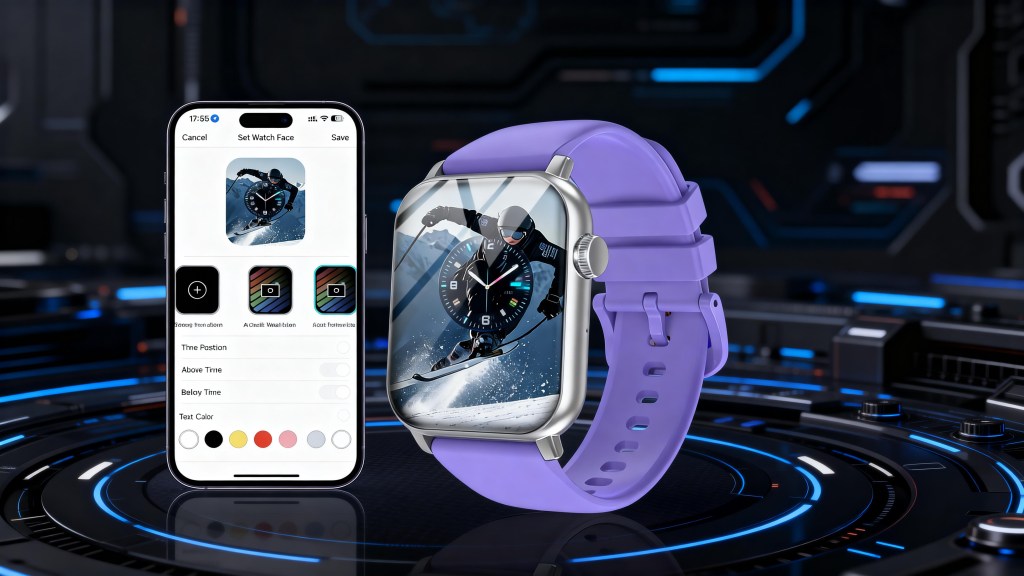
QONBINK excels in this area by incorporating multi-sensor fusion and user-tested calibration, delivering readings that users consistently praise for their consistency across activities.
What Accuracy Means for You
Heart rate data isn’t about perfection—it’s about trends and insights. A 5% variance might not matter for casual jogging but could mislead serious athletes chasing personal records. For medical purposes, always consult professionals; wearables are tools, not diagnostics.
As technology advances, expect even tighter accuracy through AI-driven noise reduction and better hardware.
Leave a Comment
Your email address will not be published. Required fields are marked *