

As smart wearable technology continues to evolve, the concept of a standalone smart watch has gained increasing attention. Unlike traditional smart watches that rely heavily on smartphones, a standalone smart watch is designed to operate independently, offering core features without requiring a constant connection to a mobile device. This shift reflects growing demand for convenience, mobility, and device flexibility in everyday life.
Understanding the Concept of a Standalone Smart Watch
A standalone smart watch is a wearable device capable of performing key functions on its own. It typically includes built-in connectivity options such as cellular support, GPS, Wi-Fi, and internal storage. With these features, the watch can send messages, make calls, track location, and record activity data without being paired to a smartphone at all times.
This independence makes standalone smart watches especially useful for users who prefer minimal devices or need reliable functionality while on the move. Runners, travelers, and outdoor enthusiasts often benefit from having essential tools directly on their wrist without carrying a phone.
Key Features of Standalone Smart Watches
Built-In Connectivity
One of the defining characteristics of a standalone smart watch is its ability to connect to networks independently. Cellular connectivity allows the watch to access the internet, send notifications, and communicate directly with other devices. This enables features such as calls, messaging, and real-time updates without relying on a nearby smartphone.
Integrated GPS and Sensors
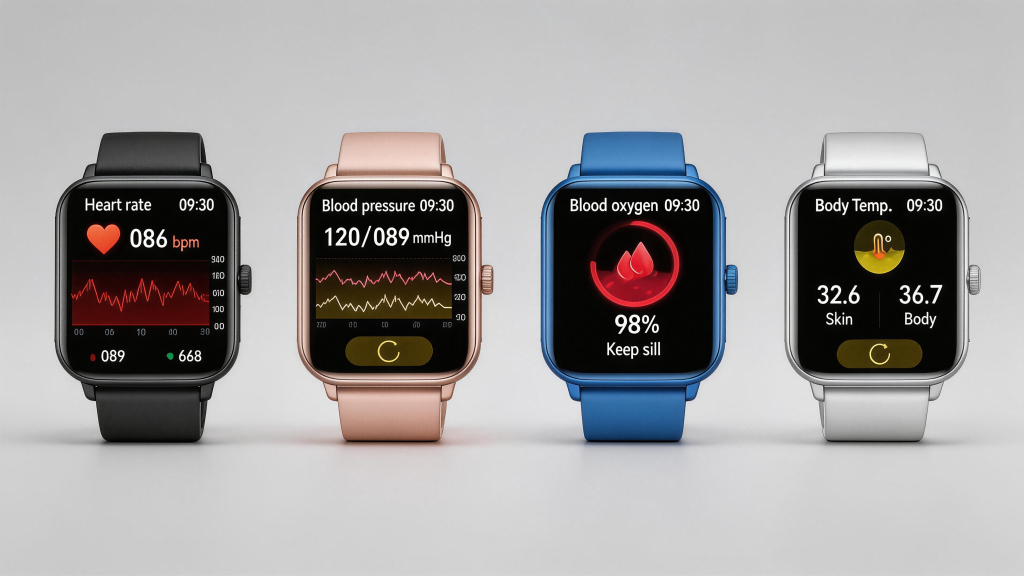
Standalone smart watches usually include GPS modules and a variety of sensors for tracking health and activity. Heart rate monitoring, step counting, sleep tracking, and workout analysis can all be performed directly on the device. Data is stored locally and can later be reviewed or synchronized when a connection is available.
On-Device Apps and Storage
Many standalone smart watches support downloadable applications and offer internal storage. Users can store music, workout data, and system files directly on the watch. This allows for a more personalized experience and reduces dependence on external devices.
How Standalone Smart Watches Differ From Connected Models
Independence Versus Ecosystem Integration
Traditional smart watches are designed to work as extensions of smartphones. They depend on a phone for internet access, app management, and data visualization. Standalone smart watches, on the other hand, prioritize independence. While they may still support optional pairing, their core functionality remains available even without a phone connection.
Battery and Performance Considerations
Because standalone smart watches handle more tasks independently, power management becomes especially important. Efficient hardware and optimized software help balance performance and battery life. While battery consumption may be higher due to cellular usage, modern designs aim to provide reliable all-day performance.
Use Cases for Standalone Smart Watches
Active and Outdoor Lifestyles
For users engaged in sports or outdoor activities, carrying a smartphone is not always practical. A standalone smart watch provides navigation, fitness tracking, and communication in a lightweight form factor, making it ideal for active use.
Daily Convenience and Simplicity
Some users prefer reducing the number of devices they carry. A standalone smart watch supports essential daily tasks such as checking messages, tracking health, and managing schedules without constant phone interaction.
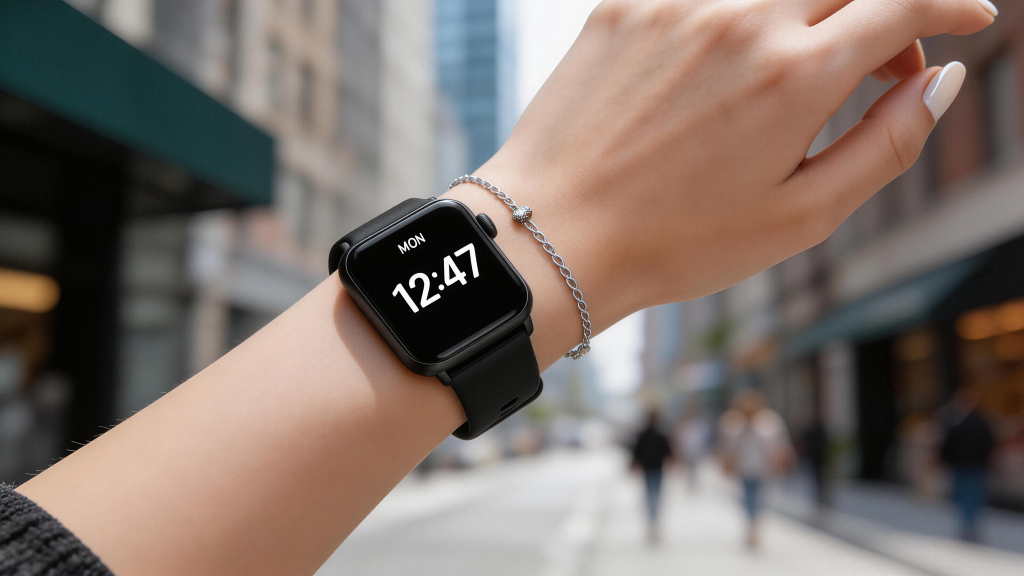
A standalone smart watch represents a new level of freedom in wearable technology. By offering independent connectivity, integrated sensors, and on-device functionality, it allows users to stay connected and informed without relying on a smartphone. As technology continues to advance, standalone smart watches are expected to play an increasingly important role in meeting the demands of modern, mobile lifestyles.
Leave a Comment
Your email address will not be published. Required fields are marked *