
What Your Smart Watch’s Label Actually Means
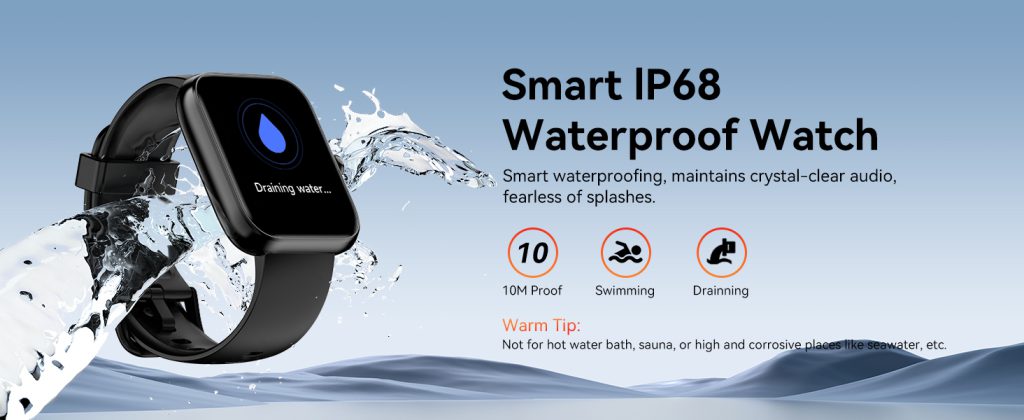
If you’ve ever shopped for a smart watch, you’ve probably noticed a string of numbers and letters on the specs sheet: IP67, IP68, 5ATM, or maybe even “water-resistant to 50 meters.” But what do these labels really mean? Do they mean you can wear your watch while swimming laps, or just while caught in a light rain? Far too many people misinterpret water resistance ratings, leading to damaged devices and frustrated purchases. The truth is, not all “water-resistant” smart watches are created equal—and understanding the difference between these ratings can save you time, money, and heartache.
1. The Basics: Key Terminology You Need to Know
Water resistance ratings are designed to tell you how well a smart watch can withstand exposure to water and moisture. But there are two main systems used to measure this: the IP (Ingress Protection) rating system and the ATM (Atmospheres) rating system. Each system uses a different scale, and knowing which one your watch uses is the first step to understanding its capabilities.
1.1 IP (Ingress Protection) Ratings: The Global Standard
The IP rating system is the most common standard used for smart watches (and most electronic devices). It’s a two-digit code, where each digit has a specific meaning: – The first digit (0-6): Measures protection against solid objects (like dust, dirt, or sand). For smart watches, you’ll almost always see a 6 here (IP6x), which means the device is “dust-tight”—it can withstand complete immersion in dust without any damage. This is important because dust and debris can also damage internal components, especially if they get trapped near buttons or sensors. – The second digit (0-9K): Measures protection against water. This is the digit we care most about for water resistance. The higher the number, the more protection the watch offers. For example, a watch with a rating of IP67 has better water protection than one with IP65.
Pro tip: 📌 If a watch only has one digit (e.g., IP6), it only measures dust protection—not water protection. Always look for a two-digit IP rating if water resistance is important to you.
1.2 ATM (Atmospheres) Ratings: Common in Watchmaking
The ATM rating system is borrowed from traditional watchmaking and measures water resistance in terms of pressure. One ATM is equal to the pressure exerted by 10 meters of water (or roughly the pressure at sea level). Like IP ratings, higher ATM numbers mean better water protection. However, ATM ratings are often used alongside IP ratings for smart watches, which can be confusing. For example, a watch labeled “5ATM” is roughly equivalent to IP68, but there are subtle differences (more on that later). It’s also important to note that ATM ratings are based on static pressure—meaning they’re tested in a controlled environment, not during active movement (like swimming or surfing), which can exert more pressure on the watch.
2. Decoding Common Water Resistance Ratings
Now that you understand the two main rating systems, let’s look at the most common ratings you’ll find on smart watches—and what they mean for real-world use. We’ll cover both IP and ATM ratings, since many brands use a combination of the two.
2.1 IP65 / IP66: Light Water Protection (Sweat, Rain, Splashes)
If your smart watch has an IP65 or IP66 rating, it’s designed to handle light exposure to water—but not full immersion. Let’s break down what each means: – IP65: Protected against low-pressure water jets (like a light rain or a shower head on low setting) from any direction. It can also withstand splashes, sweat, and dust. However, it’s not suitable for swimming, bathing, or submersion in water. – IP66: Protected against high-pressure water jets (like a heavy rain or a garden hose) from any direction. It’s more durable than IP65, but still not designed for full immersion. Examples of use cases: Wearing during a morning jog (sweat-resistant), Walking in the rain, Washing your hands (but avoid prolonged exposure). Swimming, Bathing, Snorkeling.
2.2 IP67: Moderate Water Protection (Temporary Immersion)
IP67 is one of the most popular ratings for mid-range smart watches—and for good reason. It offers moderate water protection, making it suitable for most everyday activities. An IP67 rating means the watch is dust-tight (IP6x) and can be immersed in water up to 1 meter (3.3 feet) deep for up to 30 minutes. This is based on static pressure, so it’s important to note that moving water (like swimming laps or waves) can exert more pressure and potentially damage the watch. Examples of use cases: All the use cases for IP65/IP66, Accidental submersion (like dropping it in a sink or puddle), Light swimming (but only for short periods, and avoid vigorous movement). Prolonged swimming, Snorkeling, Diving.
Pro tip: 📌 After exposing your IP67 watch to water, dry it thoroughly (especially around buttons and charging ports) to prevent moisture buildup.
2.3 IP68: Advanced Water Protection (Prolonged Immersion)
IP68 is the highest IP rating available for smart watches, offering advanced water protection for active users. Like IP67, it’s dust-tight (IP6x), but it can be immersed in water deeper than 1 meter—usually up to 2 meters (6.6 feet) or more, depending on the brand. Most IP68 smart watches are rated for immersion up to 5 meters (16.4 feet) for 30 minutes, but always check the manufacturer’s specs for exact details. Unlike IP67, IP68 is designed to handle prolonged immersion and even some water-based activities. Examples of use cases: All the use cases for IP67, Swimming laps (for extended periods), Snorkeling (shallow depths), Bathing (but avoid hot water, which can damage the seals). Deep diving (more than 10 meters), Scuba diving. Note: Some brands label their IP68 watches as “swim-proof,” which is a marketing term—always refer to the official IP rating for accuracy.
2.4 5ATM / 10ATM: Watch-Specific Water Protection
As we mentioned earlier, ATM ratings are common in traditional watchmaking and are sometimes used alongside IP ratings for smart watches. Here’s what the most common ATM ratings mean for smart watches: – 3ATM: Equivalent to IP67 (water-resistant to 30 meters, but only for temporary immersion). Suitable for light activities, but not prolonged swimming. – 5ATM: Equivalent to IP68 (water-resistant to 50 meters). Suitable for swimming, snorkeling, and most water-based activities. – 10ATM: Water-resistant to 100 meters. Suitable for deep snorkeling and even light diving (but not scuba diving).
Pro tip: 📌 ATM ratings are based on static pressure, so even a 10ATM watch may not withstand the pressure of scuba diving, which involves rapid changes in pressure.
3. Common Myths and Mistakes to Avoid
Even with clear ratings, many people make mistakes when it comes to using their water-resistant smart watches.
3.1 Myth: “Water-resistant” means “waterproof”
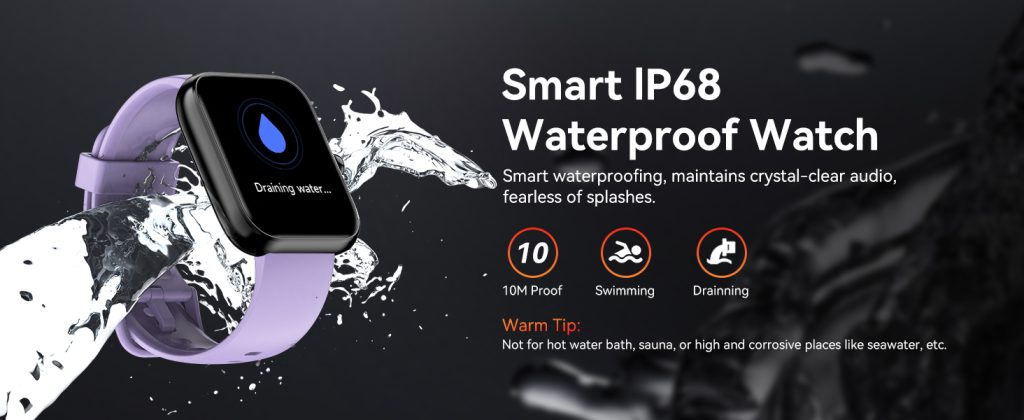
This is the biggest myth of all. There is no such thing as a “waterproof” smart watch. All water resistance ratings are temporary and have limits. Over time, the seals that protect the watch’s internal components can wear out, crack, or degrade—especially if the watch is dropped, exposed to hot water, or used in chlorinated pools. Even a high-rated IP68 watch will eventually lose its water resistance if not properly cared for. Always treat “water-resistant” as “water-protected up to a certain limit.”
3.2 Mistake: Exposing Your Watch to Hot Water or Chlorine
Hot water (like in a shower, bath, or hot tub) can damage the watch’s seals by expanding them, which allows water to seep in. Chlorinated water (like in pools) and saltwater (like in the ocean) can also corrode the seals and damage the watch’s internal components over time. If you do wear your watch in chlorinated or saltwater, rinse it thoroughly with fresh water afterward and dry it completely. Avoid hot water altogether—even if your watch has a high IP rating.
3.3 Mistake: Assuming All Ratings Are the Same Across Brands
Not all IP or ATM ratings are created equal. While the IP rating system is a global standard, some brands may test their watches more rigorously than others. For example, one brand’s IP68 watch may be rated for 5 meters of immersion for 30 minutes, while another brand’s IP68 watch may only be rated for 2 meters. Always check the manufacturer’s specific specs for water resistance—not just the general rating. This information is usually found on the brand’s website or in the watch’s user manual.
4. How to Care for Your Water-Resistant Smart Watch
To keep your smart watch’s water resistance intact, proper care is key. Here are a few simple tips to help you extend the life of your watch and maintain its water protection:
-Rinse and dry after water exposure: If you wear your watch in water (even just rain or sweat), rinse it with fresh water (if needed) and dry it thoroughly with a soft cloth—pay special attention to buttons, charging ports, and the area between the strap and the watch case.
– Avoid hot water and harsh chemicals: As mentioned earlier, hot water, chlorine, saltwater, and harsh chemicals (like soap or sunscreen) can damage the seals. Remove your watch before showering, bathing, or swimming in chlorinated/saltwater (if possible).
– Check the seals regularly: Every few months, inspect the watch’s seals for cracks, wear, or debris. If the seals look damaged, contact the manufacturer for a replacement—this is a small investment that can save you from a costly repair.
– Don’t press buttons underwater: Pressing buttons while the watch is submerged can force water past the seals. Wait until the watch is dry before pressing any buttons.
– Get it tested periodically: If you use your watch frequently in water, consider getting its water resistance tested by a professional every 1-2 years.
Choose the Right Rating for Your Lifestyle
Water resistance ratings don’t have to be confusing—once you understand the basics of IP and ATM ratings, you can easily choose a smart watch that fits your lifestyle. If you’re a casual user who just needs protection from rain and sweat, an IP65/IP66 watch will suffice. If you’re an active user who swims regularly, opt for an IP68 or 5ATM watch. And if you’re a serious swimmer or snorkeler, look for a watch with a 10ATM rating (it’s still not suitable for scuba diving). Most importantly, remember that water resistance is not permanent—proper care and maintenance are essential to keeping your watch protected.
Leave a Comment
Your email address will not be published. Required fields are marked *