
Comfort, Style & Functionality in Every Wear
Wearing a smart watch might seem like a no-brainer—slap it on your wrist, adjust the band, and you’re good to go, right? But there’s more to it than that. A smart watch that’s worn incorrectly can be uncomfortable, affect the accuracy of its sensors, or even clash with your outfit. Whether you’re new to wearables or you’ve been rocking one for years, mastering how to wear a smart watch properly will elevate your experience—blending comfort, style, and functionality seamlessly. In this blog, we’ll break down everything you need to know: from the best wrist to choose, how tight to wear it, tips for different occasions, and even how to make your watch complement your look—with a little help from the sleek, versatile designs of QONBINK.
The Basics: Which Wrist Should You Wear Your Smart Watch On?
First things first: there’s no “right” or “wrong” wrist to wear your smart watch on, but there are a few factors to consider to maximize comfort and functionality. Most people default to their non-dominant wrist—and for good reason. If you’re right-handed, wearing your watch on your left wrist keeps it out of the way when you’re writing, typing, cooking, or doing other daily tasks. Similarly, left-handed people often prefer their right wrist. This not only prevents the watch from getting in the way but also reduces the chance of scratches or damage from frequent movement.
Sensor Accuracy Matters, Too
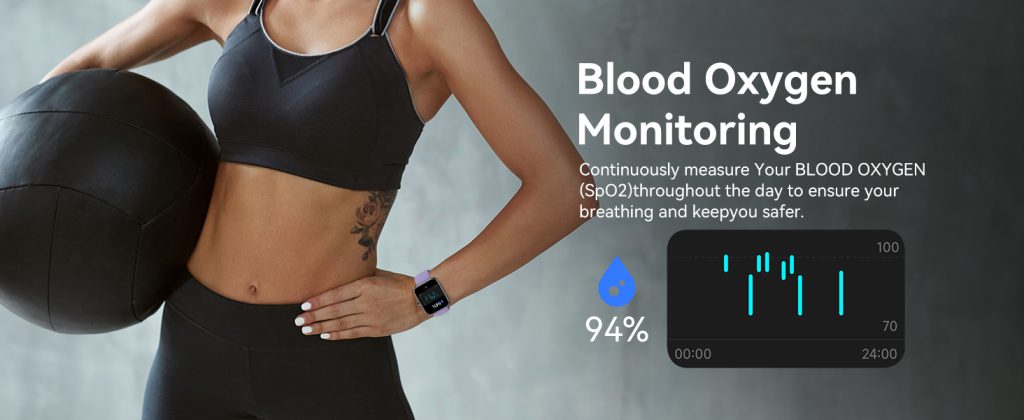
Many smart watches, including the popular models from QONBINK, come with advanced sensors—heart rate monitors, blood oxygen trackers, sleep analyzers, and even ECG sensors—that rely on close contact with your skin to work accurately. Wearing the watch on your non-dominant wrist can help with this, as it tends to move less, keeping the sensors in consistent contact with your skin. Additionally, avoiding tight sleeves or bulky jewelry near the watch will ensure the sensors aren’t blocked, so you get reliable data every time you check your stats.
Exception: Fitness & Sports
If you’re using your smart watch primarily for fitness, you might want to adjust which wrist you wear it on based on the activity. For example, during running or cycling, wearing it on your non-dominant wrist keeps it stable and prevents it from bouncing around. During weightlifting, you might want to switch it to your dominant wrist temporarily to avoid it getting crushed under heavy weights. The great thing about QONBINK’s smart watches is their lightweight, durable design—so no matter which wrist you choose, they stay comfortable even during intense workouts.
How Tight Should a Smart Watch Be? (The Golden Rule)
This is one of the most common mistakes people make: wearing their smart watch either too tight or too loose. Both can ruin your experience—too tight, and it’s uncomfortable, restricts blood flow, and leaves marks on your wrist; too loose, and the sensors won’t work, the watch bounces around, and it might even fall off. The golden rule is simple: your smart watch should be snug but not tight.
How to Check the Fit
Here’s a quick way to test if your watch is the right tightness: after adjusting the band, you should be able to fit one finger between the watch band and your wrist. That’s it. This ensures the watch is close enough to your skin for sensors to work but loose enough to let your skin breathe and avoid discomfort. If you can’t fit a finger, it’s too tight—loosen a notch or two. If the watch slides up and down your wrist easily, it’s too loose—tighten it until it stays in place without bouncing.
Adjusting for Different Activities
You might need to adjust the tightness depending on what you’re doing. For everyday wear (working, running errands, hanging out), the “one finger” rule works perfectly. For workouts that involve a lot of movement (like HIIT, dancing, or hiking), you can tighten it slightly to keep it stable—just make sure it’s still not cutting off circulation. For sleep, loosen it a bit more to maximize comfort; many people find that a slightly looser fit helps them sleep better without feeling restricted. QONBINK’s adjustable bands make this easy—whether you prefer silicone, leather, or stainless steel straps, you can tweak the fit in seconds.
Wearing a Smart Watch for Style: Match It to Your Outfit
A smart watch isn’t just a functional device—it’s also an accessory. Wearing it in a way that complements your outfit will elevate your look, whether you’re dressing up for a meeting or keeping it casual on the weekend. Here are some tips to help you style your smart watch like a pro, with inspiration from QONBINK’s versatile designs that work with every aesthetic.
1. Casual Wear (Jeans, T-shirts, Sneakers)
Casual outfits call for a relaxed, effortless look—and your smart watch should match that. Opt for a silicone or nylon band in neutral colors (black, gray, white) or fun, bold hues (blue, green, orange) to add a pop of color. A medium-sized watch (41mm–43mm) works best here, as it’s not too bulky or too small. QONBINK’s casual smart watch models pair perfectly with this vibe—sleek, lightweight, and designed to look like a stylish accessory rather than a clunky tech device. You can even mix and match bands to switch up your look without buying a new watch.
2. Business/Professional Wear (Dress Shirts, Suits, Blazers)
For work or formal meetings, you want your smart watch to look polished and sophisticated—no bright colors or bulky bands. Stick to a stainless steel or leather band in black, brown, or silver. A small or medium-sized watch (38mm–43mm) is ideal, as it fits under dress shirt sleeves without bunching up. Avoid overly sporty designs; instead, choose a watch with a minimalist face (no loud logos or complicated dials). QONBINK’s professional smart watch collection is perfect for this—slim, elegant, and with a classic design that blends in with business attire. The subtle branding and clean face make it look like a high-end traditional watch, while still offering all the smart features you need.
3. Fitness/Active Wear (Leggings, Workout Tops, Athletic Shoes)
When working out, functionality is key—but that doesn’t mean you have to sacrifice style. Opt for a lightweight, sweat-resistant watch with a silicone band (easy to clean and durable). A medium or large-sized watch (43mm–46mm) is great here, as the larger screen makes it easy to track workout data. Look for features like water resistance, GPS, and heart rate monitoring—all of which QONBINK’s fitness-focused smart watches offer. The band should be adjustable to ensure a secure fit during intense movement, and the design should be sleek enough that you can wear it from the gym to the coffee shop without feeling out of place.
Common Mistakes to Avoid When Wearing a Smart Watch
Even if you follow the basics, there are a few common mistakes that can ruin your smart watch experience. Let’s debunk them so you can wear your watch with confidence.
Mistake 1: Wearing It Too Tight (Or Too Loose)
We’ve already covered this, but it’s worth repeating. Too tight, and you’ll have red marks on your wrist, restricted blood flow, and discomfort. Too loose, and the sensors won’t work, and the watch might fall off. Stick to the “one finger” rule—you’ll thank yourself later.
Mistake 2: Ignoring Band Material for the Occasion
Wearing a leather band to the gym or a silicone band to a formal meeting will look out of place. Choose the right band material for the occasion: silicone/nylon for casual/fitness, leather/stainless steel for business/formal. QONBINK offers a wide range of replacement bands, so you can easily switch between styles without buying a new watch.
Mistake 3: Overlooking Watch Size for Your Wrist
A large watch on a small wrist will look bulky and awkward, while a small watch on a large wrist will look tiny and out of proportion. Make sure to choose a watch size that fits your wrist (we covered this in our previous blog!). QONBINK offers smart watches in all common sizes—38mm–46mm+—so you can find the perfect fit for your wrist size and style.
Mistake 4: Forgetting to Clean It
Smart watches come into contact with sweat, dirt, and oil every day—so it’s important to clean them regularly. Wipe down the band and watch face with a soft, damp cloth at least once a week to prevent buildup. For silicone bands, you can even wash them with mild soap and water. This not only keeps your watch looking new but also prevents skin irritation—especially important if you wear it all day.
✅Tips for Wearing Your Smart Watch Like a Pro
Wearing a smart watch is all about balance—balance between comfort, functionality, and style. Here are a few final tips to help you make the most of your wearable:
1. Rotate wrists occasionally: If you wear your watch on the same wrist every day, it can cause slight irritation or indentations. Switch wrists every few days to give your skin a break.
2. Customize the watch face: Most smart watches let you customize the watch face—choose one that matches your style or the occasion. For casual days, pick a fun, colorful face; for work, a minimalist, classic face.
3. Don’t overcomplicate it: At the end of the day, your smart watch is there to make your life easier, not harder. Wear it in a way that feels natural to you—if you prefer a looser fit or a different wrist, go for it. There’s no “perfect” way to wear it, just what works for you.
Whether you’re a casual user, a fitness fanatic, or a busy professional, wearing your smart watch correctly will enhance your experience. With the right fit, band, and style—plus a little help from QONBINK’s versatile, stylish smart watches—you can rock your wearable with confidence, knowing it’s comfortable, functional, and complements your look. So go ahead, adjust that band, pick the perfect watch face, and wear your smart watch like it was made just for you—because it was.
Leave a Comment
Your email address will not be published. Required fields are marked *