
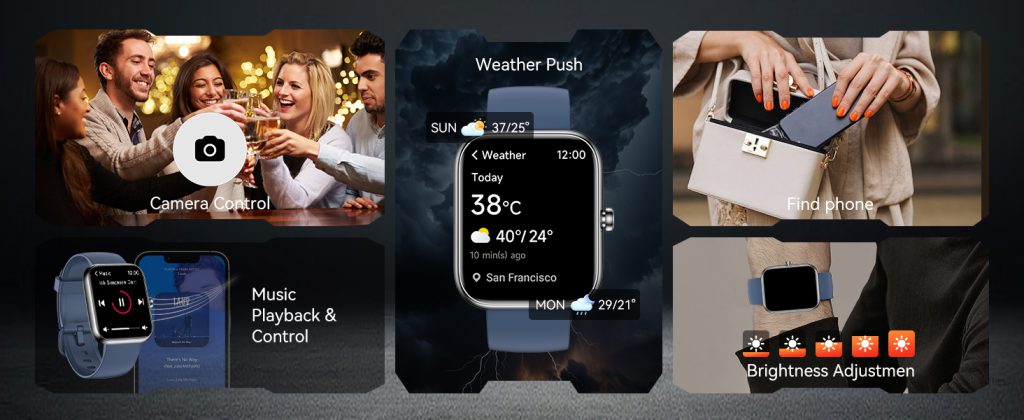
When shopping for a smart watch, most people fixate on water resistance—swimming tracking, rainproofing, or shower use. But dust resistance often gets overlooked, even though it can be just as important depending on your lifestyle. Whether you’re hiking dusty trails, working outdoors, living in a sandy or arid area, or even dealing with everyday pocket lint and fine particles, a smartwatch’s ability to keep dust out directly affects its longevity and performance.
Understanding IP Ratings: The Dust Part Explained
The Ingress Protection (IP) rating is the international standard that tells you how well a device resists solids (like dust) and liquids (water). It consists of two numbers after “IP”: the first digit rates dust protection (0–6), and the second rates water protection (0–9 or sometimes X if not tested).
For dust:
- 0 → No protection at all
- 1–4 → Protection against larger objects or particles (rarely seen on smartwatches)
- 5 → Dust-protected (limited ingress, won’t interfere with operation)
- 6 → Dust-tight (complete protection—no dust can enter, even under vacuum testing)
A smartwatch with IP6X (the “X” means water wasn’t rated in that specific test, but dust is fully protected) or IP68 (dust-tight + submersion beyond 1 meter) offers excellent dust resistance. In practice, IP6X or higher means the watch can handle sandy beaches, construction sites, desert hikes, or windy urban environments without fine particles sneaking into speakers, microphones, sensors, or charging ports.
Many mainstream smartwatches achieve at least IP6X dust protection because manufacturers seal ports, use gaskets around buttons, and design tight enclosures to prevent internal contamination that could cause short circuits or sensor failures over time.
Why Dust Resistance Matters More Than You Think
Dust isn’t just cosmetic. Fine particles can:
- Scratch internal components if they get past seals
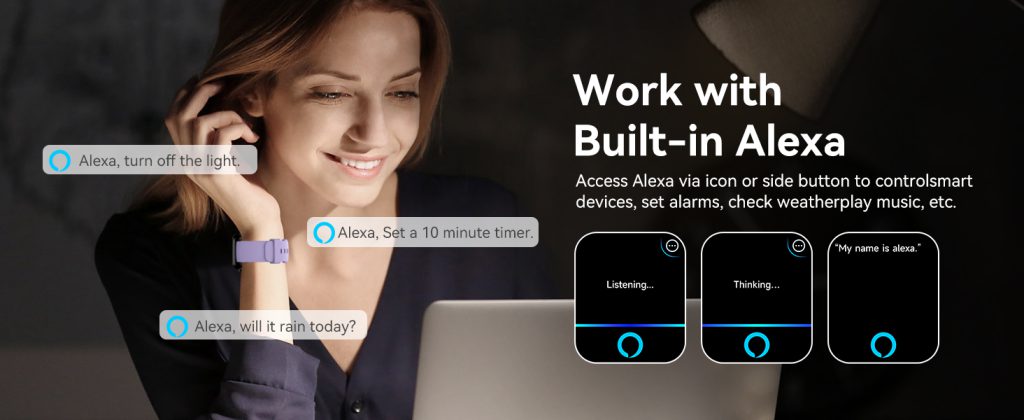
- Clog speakers or microphones, reducing call quality
- Interfere with heart rate or SpO2 sensors
- Build up in charging contacts, causing unreliable charging
For people in dry climates (like parts of California or the Southwest), outdoor adventurers, cyclists on dirt roads, or anyone who works in dusty conditions, weak dust protection can shorten a watch’s usable life—even if it’s great against water.
Rugged models go further. Some carry military-grade certifications (like MIL-STD-810H), which include blowing dust and sand tests at high speeds and temperatures. These aren’t just marketing—they simulate real-world abuse.
Dust Resistance in Popular Smartwatches
Most flagship models in 2026 offer solid dust protection:
- Apple Watch Series (like Series 11) and Apple Watch Ultra series usually carry IP6X dust resistance, meaning fully dust-tight. The Ultra models add MIL-STD-810H testing, making them reliable in sandy or dusty environments.
- Samsung Galaxy Watch series (including recent models like Galaxy Watch 8) typically feature IP68, combining full dust protection with strong water resistance.
- Garmin devices, especially rugged lines like Fenix, Enduro, or Instinct, often achieve IP67 or IP68, with many passing military dust and sand tests. These are favorites among hikers, trail runners, and people in harsh outdoor conditions.
- Budget or fashion-focused watches sometimes skip full dust ratings or only reach IP54/IPX ratings, leaving them vulnerable in dusty settings.
If dust is a big concern, prioritize models explicitly listed as IP6X, IP67, or IP68, and check manufacturer specs rather than vague “dust-resistant” claims.
Tips to Maximize Your Smartwatch’s Dust Protection
Even with strong ratings, a few habits help:
- Avoid charging in very dusty areas—particles love settling on open ports.
- Clean gently with a soft brush or compressed air (never blow with your mouth).
- Use a screen protector or case if you’re frequently in extreme dust.
- After dusty activities, rinse gently (if water-rated) or wipe down to remove buildup.
Dust resistance might not grab headlines like 100-meter diving or ECG features, but it’s a quiet hero for real-world durability. In 2026, most quality smartwatches from major brands deliver at least dust-tight protection (IP6X or better), so you can wear them confidently on trails, beaches, or city streets without constant worry. Choose based on your environment—casual users are fine with standard ratings, but outdoor enthusiasts should lean toward rugged options with proven dust performance.
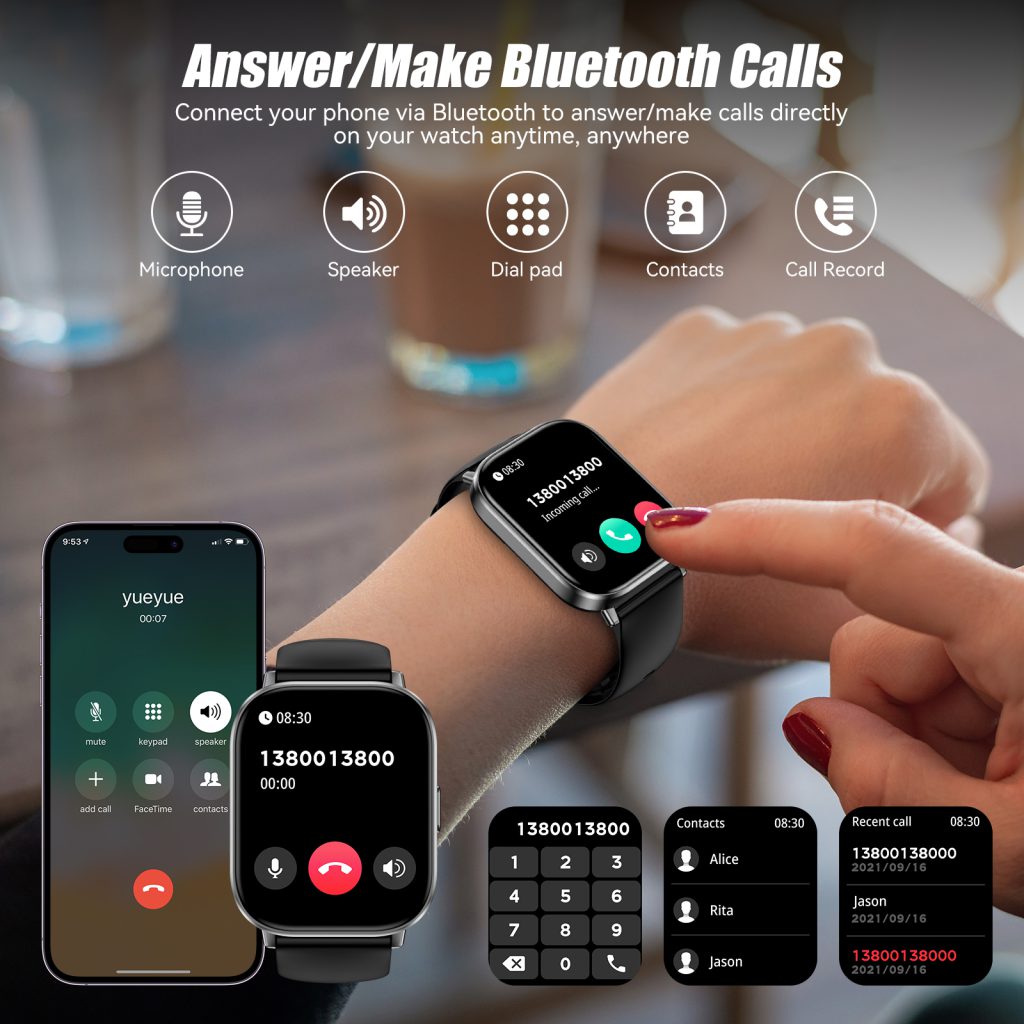
Your smart watch is an investment. Giving dust the attention it deserves helps ensure it lasts longer and performs reliably day after day.
Leave a Comment
Your email address will not be published. Required fields are marked *