
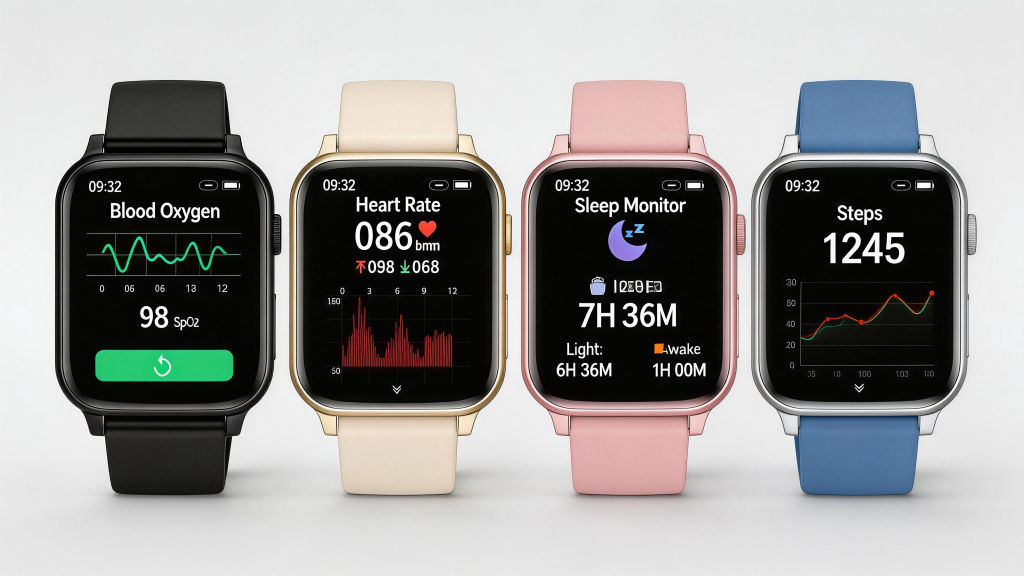
Battery life has become one of the most important factors in evaluating modern electronic devices. From smart watches and fitness trackers to wireless earbuds and portable medical equipment, users expect long-lasting performance without frequent charging. For manufacturers like QONBINK, battery life is not just a technical specification, but a key part of the overall user experience.
What Does Battery Life Really Mean?
Battery life refers to how long a device can operate on a single charge under normal usage conditions. It is influenced by a combination of battery capacity, power consumption, software optimization, and user behavior. Two devices with the same battery capacity may deliver very different battery life depending on how efficiently they manage energy.
Understanding battery life concepts helps users set realistic expectations and allows manufacturers to design products that balance performance with endurance.
Key Factors That Affect Battery Life
Battery Capacity and Energy Density
Battery capacity is usually measured in milliampere-hours (mAh). A higher capacity generally means longer battery life, but this is only part of the equation. Energy density determines how much power can be stored in a small and lightweight battery, which is especially important for compact devices. High-quality components and precise engineering, such as those applied by QONBINK, help maximize usable energy without increasing device size.
Power Consumption of Hardware Components
Every component inside a device consumes power. Displays, processors, wireless modules, and sensors all draw energy at different rates. High-resolution screens and continuous data transmission can significantly reduce battery life. Efficient hardware selection and low-power chipsets play a critical role in extending daily usage time.
Software Optimization and System Management
Software has a major impact on battery performance. Background processes, poorly optimized applications, and unnecessary notifications can drain power quickly. Intelligent power management systems can reduce energy usage by adjusting screen brightness, limiting background activity, and optimizing data synchronization.
Usage Patterns and Environmental Factors
User Behavior and Usage Frequency
Battery life varies depending on how a device is used. Frequent GPS tracking, continuous heart rate monitoring, or constant Bluetooth connectivity will shorten battery life. Light usage, on the other hand, allows devices to operate for longer periods between charges.
Temperature and Charging Habits
Extreme temperatures can negatively affect battery performance and longevity. High heat accelerates battery degradation, while cold environments reduce available capacity. Proper charging habits, such as avoiding overcharging and using certified chargers, help maintain stable battery health over time.
Designing for Long-Term Battery Performance
Balancing Performance and Efficiency
Modern devices must deliver powerful features without sacrificing battery life. This requires careful coordination between hardware design and software development. Manufacturers that focus on long-term efficiency rather than short-term performance gains tend to deliver more reliable products.
Quality Control and Battery Safety
Battery safety is essential, especially for wearable and portable electronics. Strict testing standards and quality control processes ensure consistent performance and reduce the risk of failure. Brands like QONBINK place strong emphasis on safety, durability, and energy efficiency throughout the product development cycle.
Battery life is the result of many interconnected factors, not just battery size alone. By understanding battery life concepts such as capacity, power consumption, software optimization, and usage behavior, users can make better decisions and enjoy more reliable devices. As technology continues to advance, efficient battery management will remain a cornerstone of product innovation and user satisfaction.
Leave a Comment
Your email address will not be published. Required fields are marked *