
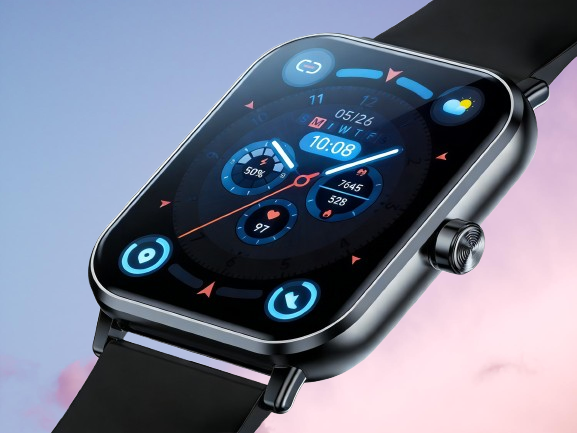
Smartwatches have become everyday companions for tracking fitness, heart rate, and notifications. While they offer clear benefits, they also come with potential downsides that users should understand. From physical discomfort to data security issues, these risks range from minor annoyances to more serious concerns. Most are manageable with simple habits, but awareness helps you decide how — and how often — to wear one.
Physical Health Concerns
Skin Irritation and Allergic Reactions Constant contact with the watch band, especially silicone or rubber materials, can lead to redness, itching, or rashes. Sweat trapped under the device worsens this during workouts or hot weather. Some users develop contact dermatitis from nickel in metal components or chemicals in bands. A 2025 study highlighted high levels of PFAS “forever chemicals” in certain silicone bands, raising questions about long-term skin absorption and possible effects on organs like the liver or kidneys. Switching to breathable, hypoallergenic bands or removing the watch at night often resolves these problems.
Battery and Charging Hazards Lithium-ion batteries power smartwatches, and rare cases of overheating or swelling have occurred during charging. Faulty chargers or damaged devices increase fire risk, though incidents remain uncommon. Always use manufacturer-approved cables and avoid charging on soft surfaces like beds.
Electromagnetic Field (EMF) Exposure Smartwatches use Bluetooth, Wi-Fi, and sometimes cellular connections, emitting low levels of non-ionizing radiofrequency radiation close to the skin. Regulatory bodies like the FCC and CDC state that emissions fall well below safety limits, with exposure far lower than from cell phones held to the ear. Major health organizations report no conclusive evidence of harm from these low levels, even with all-day wear. Some studies explore subtle biological effects like changes in heart rate variability or sleep patterns, but results stay inconclusive and far from proving danger. Claims of “toxic radiation” disrupting heart rhythm or causing cancer lack strong scientific backing and often stem from misinformation.
Psychological and Behavioral Effects
Alert Fatigue and Anxiety Frequent notifications about irregular heart rhythms, high/low heart rates, or activity goals can create stress. For people monitoring conditions like atrial fibrillation, constant alerts sometimes lead to preoccupation or heightened anxiety — one study found about one in five users felt intense worry after irregular pulse warnings. This “cyberchondria” effect can make users overly focused on minor fluctuations that prove harmless upon medical review. Balancing device use with professional advice prevents unnecessary worry.
Over-Reliance on Consumer Tech Smartwatches provide helpful trends but aren’t medical-grade tools. False positives or missed issues can give false reassurance, delaying doctor visits for real problems. Over-focusing on step counts or calorie burns may also encourage obsessive behavior around fitness metrics.
Privacy and Data Security Risks
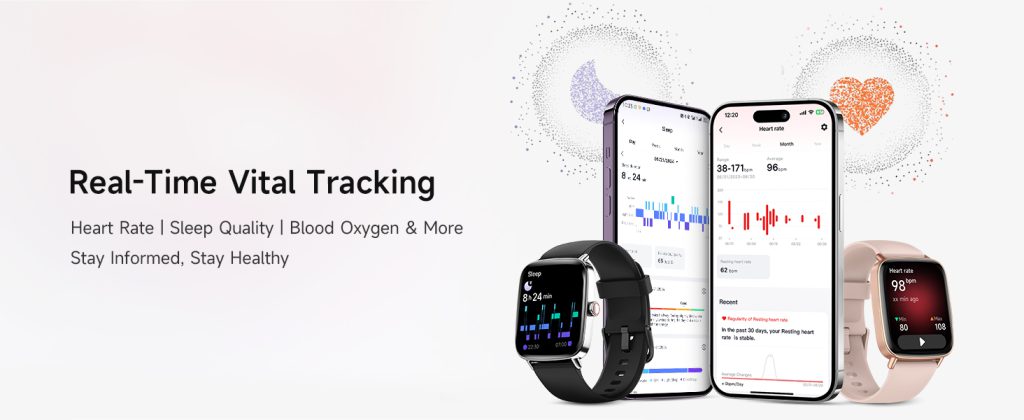
Personal Data Collection These devices gather sensitive information: heart rate, sleep patterns, location, and activity logs. Many sync to apps or cloud services, where data might be shared with third parties for advertising or research. Poor security practices or breaches expose this information, potentially leading to identity theft or misuse. Users often grant broad permissions without reading terms, increasing vulnerability.
Lack of Control Over Data Use Health data from wearables can influence insurance rates, employment decisions, or even legal cases if accessed improperly. Ethical concerns arise when companies profit from aggregated user info without clear consent or transparency.
Battery Life and Practical Drawbacks
Limited battery life forces daily charging for many models, interrupting continuous tracking. Heavy use of features like GPS or always-on displays drains power faster, leading some to charge overnight — a habit that reduces wear time and skips sleep monitoring.
How to Minimize These Risks
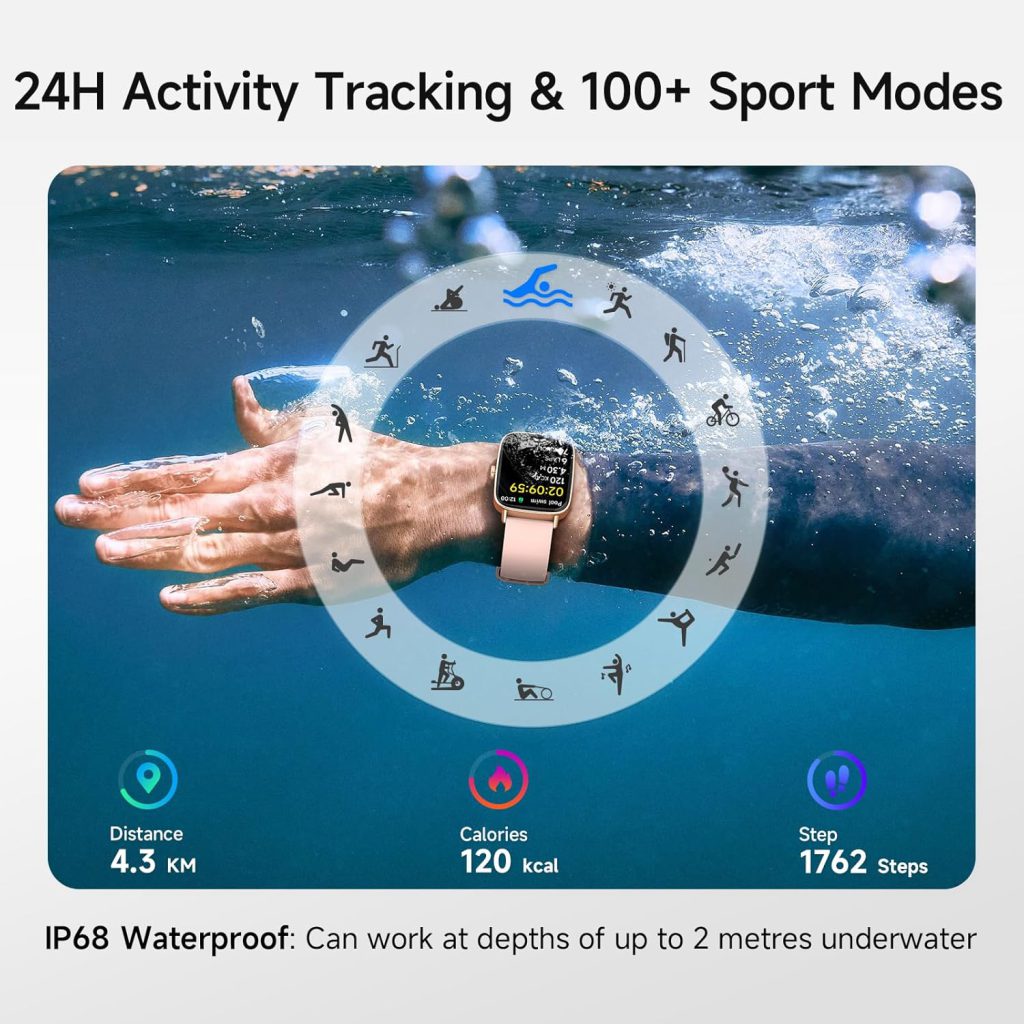
Wear the watch loosely to allow skin breathing and remove it during sleep or showers when possible. Choose bands made from safe, non-irritating materials and clean the device regularly. Turn off unnecessary wireless features to cut EMF exposure slightly. Review privacy settings, limit data sharing, and use strong passwords for linked accounts. Most importantly, treat smartwatch alerts as prompts to consult a doctor rather than definitive diagnoses.
Smartwatches remain safe for the vast majority when used thoughtfully. Regulatory standards keep technical risks low, and many concerns fade with basic precautions. Weigh the conveniences against these drawbacks to find what fits your lifestyle best.
Leave a Comment
Your email address will not be published. Required fields are marked *