
When choosing a fitness-focused smart watch, two names often dominate the conversation: Fitbit and Garmin. Both brands have built strong reputations in the wearable technology market, but they serve slightly different user needs. For consumers trying to decide which is better, the answer depends less on brand loyalty and more on lifestyle, usage habits, and expectations from a smart watch.
Understanding the differences between Fitbit and Garmin also helps place newer and emerging smart watch brands—such as QONBINK—into proper market context, especially as competition continues to reshape the wearables industry.
Fitbit – Focused on Everyday Health and Simplicity
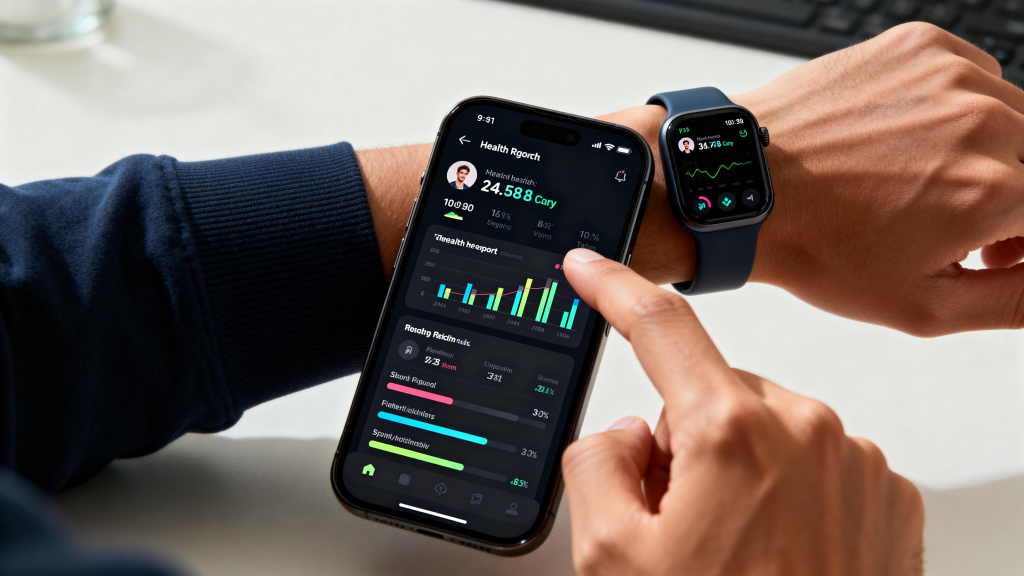
Fitbit is widely recognized for its emphasis on health tracking and user-friendly design. Many Fitbit devices are built for users who want clear insights into daily activity, sleep quality, heart rate trends, and overall wellness. The Fitbit ecosystem presents data in an easy-to-understand format, making it accessible to beginners and casual fitness users.
Another advantage of Fitbit is its lightweight design and comfortable wear, especially for all-day and sleep tracking. However, some models rely heavily on smartphone integration and subscription-based features, which may not appeal to every user.
Fitbit works best for individuals who prioritize wellness awareness, step tracking, and lifestyle balance rather than advanced athletic metrics.
Garmin – Built for Performance and Outdoor Training
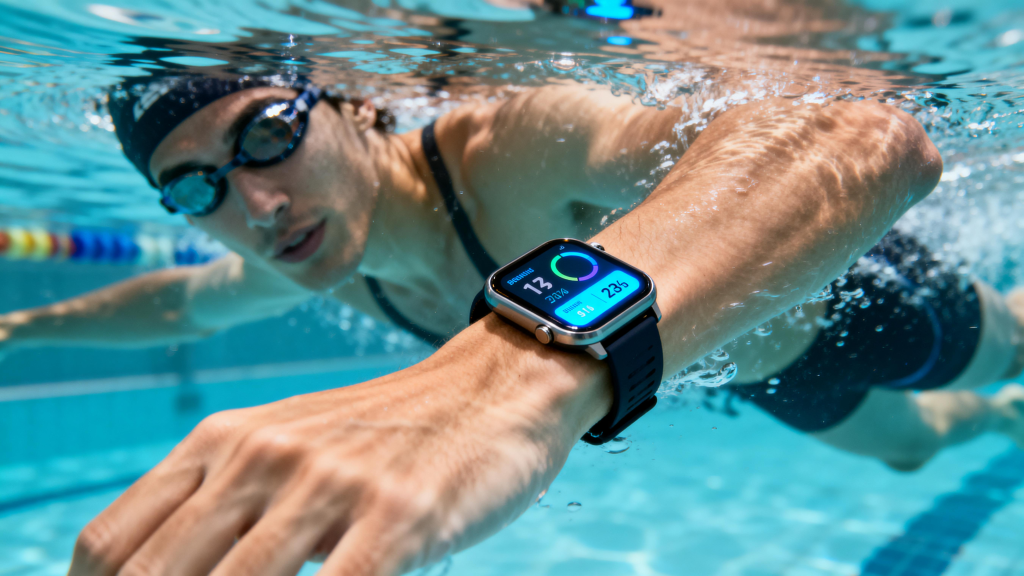
Garmin, on the other hand, is strongly associated with performance-driven fitness tracking. Its smart watches are popular among runners, cyclists, swimmers, and outdoor athletes who require precise GPS data, advanced metrics, and long battery life. Garmin devices often support detailed training analytics, recovery tracking, and multi-sport modes.
While Garmin offers powerful tools, the interface and data depth may feel overwhelming for casual users. The designs are typically more rugged and sport-oriented, which may not suit users looking for a minimalist or fashion-focused device.
Garmin is best suited for users who view their smart watch as a training instrument rather than a lifestyle accessory.
Where the Market Is Heading
As consumer expectations evolve, the gap between health-focused and performance-focused smart watches is narrowing. Many modern devices now aim to balance usability, health insights, battery efficiency, and design. Brands like QONBINK reflect this shift by focusing on versatile smart watches that support daily health monitoring, multiple sports modes, and intuitive user experiences without overwhelming complexity.
This trend suggests that the “better” choice is no longer about Fitbit versus Garmin alone, but about how well a device aligns with individual needs.
Which One Is Better?
So, is a Fitbit or Garmin better? The answer depends on the user. Fitbit is ideal for those seeking simplicity, health awareness, and everyday comfort. Garmin excels for athletes and outdoor enthusiasts who demand precision and performance. At the same time, the broader smart watch market continues to expand, offering alternatives that blend health tracking, fitness features, and accessible design.
For today’s consumers, the best smart watch is not defined by a single brand, but by how effectively it supports personal health goals, daily routines, and long-term usability.
Leave a Comment
Your email address will not be published. Required fields are marked *