
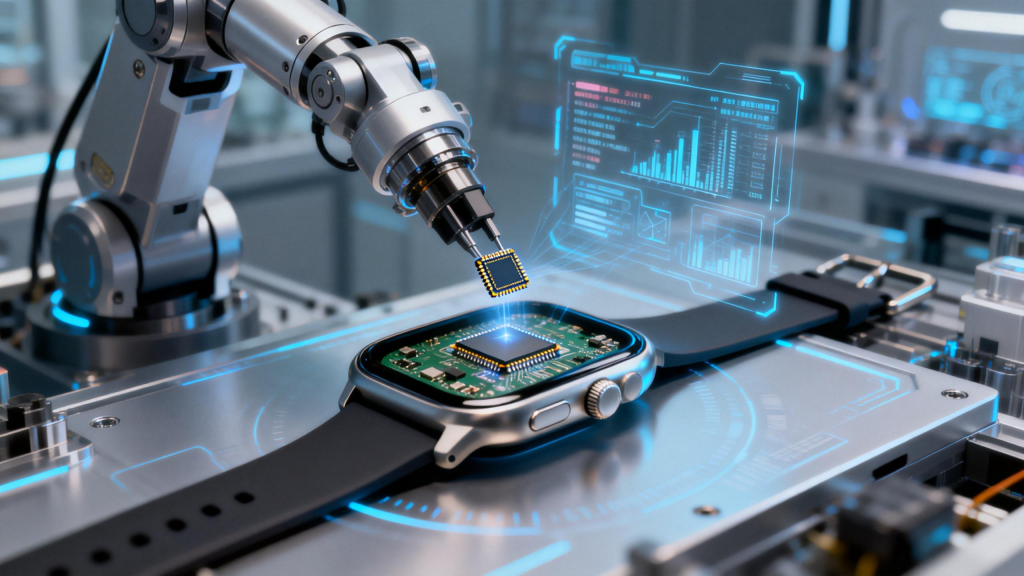
Smart watches have become essential tools for fitness tracking, health monitoring, and daily productivity. Behind their sleek design lies a complex assembly of hardware components that make these devices function efficiently. Understanding the hardware components of smart watches can help users appreciate how these devices deliver accurate and reliable performance.
At the heart of every smart watch is the processor, which acts as the brain of the device. It handles all computational tasks, from processing sensor data to running applications. Coupled with the processor is the memory, which stores system software, apps, and user data such as activity logs and health metrics. Together, these components ensure the smooth operation of the smart watch and allow users to access multiple functions simultaneously.
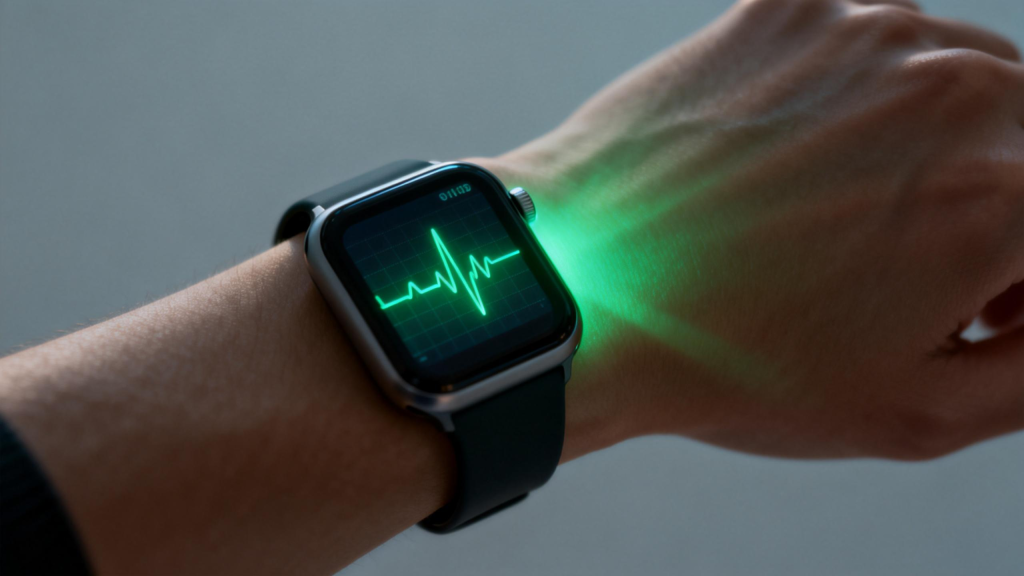
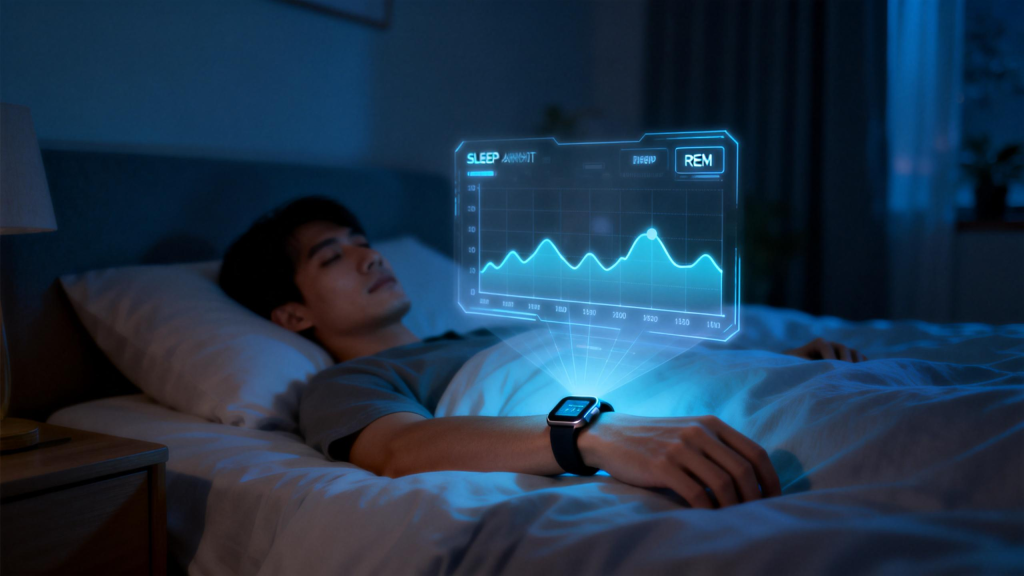
Another key set of components are the sensors, which form the foundation of a smart watch’s health and fitness capabilities. Common sensors include heart rate monitors, accelerometers, gyroscopes, and sometimes SpO2 sensors for blood oxygen levels. These sensors continuously collect data, enabling health tracking features such as step counting, sleep analysis, heart rate monitoring, and calorie estimation. Advanced sensors allow smart watches to provide more precise feedback for workouts, stress management, and overall wellness.
The display and touchscreen interface are also vital hardware components. Modern smart watches use high-resolution LCD or AMOLED screens that provide crisp visuals and touch functionality. This allows users to interact with apps, navigate menus, and view notifications with ease. In addition, the display often integrates ambient light sensors to adjust brightness automatically and save battery life.
Connectivity modules are another critical part of smart watch hardware. Bluetooth, Wi-Fi, and sometimes cellular modules allow the device to sync with smartphones, receive notifications, and access online services. Some advanced models also include GPS for navigation and activity tracking, providing a comprehensive tool for outdoor fitness enthusiasts.
Battery and power management hardware ensure that smart watches operate for extended periods. Lithium-ion batteries are commonly used due to their high energy density, while power-efficient processors and optimized sensors help extend battery life. Charging circuits and power regulators manage energy flow and protect the device from overcharging.
The hardware components of smart watches—including processors, memory, sensors, displays, connectivity modules, and batteries—work together to create powerful, multifunctional devices. By combining these components with intuitive software, smart watches provide users with health insights, fitness tracking, communication tools, and more, all within a compact wearable device.
Leave a Comment
Your email address will not be published. Required fields are marked *