Free Shipping On All Orders Over $10

Why We Really Buy Smart watches: 7 Hidden Forces Behind Your Wrist

An In-Depth Analysis of the Psychological, Functional, and Economic Factors Shaping the Wearable Market


The global smart watch market stands at a fascinating inflection point. With over 562 million users worldwide and projected revenues exceeding $91 billion by 2035, these wrist-worn devices have evolved from niche gadgets to essential lifestyle companions . Yet beneath these impressive statistics lies a complex web of consumer motivations that determine why individuals choose to invest in smartwatches—or opt to abstain entirely.

Understanding the factors influencing smartwatch purchase decisions has become increasingly critical for manufacturers, retailers, and marketers navigating an increasingly competitive landscape. As the market matures and differentiation challenges intensify, particularly following the 2024 market correction that saw global shipments decline for the first time, decoding consumer psychology offers the key to sustainable growth .

Factor One: Health and Wellness as the Primary Value Proposition

From Fitness Tracking to Preventive Healthcare

The transformation of smartwatches from notification devices to health monitoring platforms represents the most significant shift in consumer value perception since the category’s inception. Today, health and fitness functionality serves as the primary purchase driver for the majority of consumers, fundamentally altering how manufacturers position their products and how retailers communicate benefits.

Research consistently demonstrates the centrality of health features in purchase decisions. According to comprehensive market analysis, fitness and wellness applications account for 45.8% of smartwatch usage, making health monitoring the dominant functional category . This dominance reflects a broader societal shift toward proactive health management, accelerated by the COVID-19 pandemic’s lasting impact on wellness consciousness. Consumers no longer view smartwatches as convenient accessories; they perceive them as investments in longevity and quality of life.

The hierarchy of health features influencing purchase decisions reveals sophisticated consumer priorities. Heart rate monitoring has become table stakes—virtually every consumer expects continuous cardiac tracking as a baseline feature. However, advanced capabilities increasingly differentiate premium offerings and drive upgrade cycles. Electrocardiogram (ECG) functionality, introduced by Apple Watch Series 4 in 2018 and now expanding across competitor lineups, provides medical-grade cardiac monitoring that appeals to aging populations and health-anxious millennials alike. Blood oxygen (SpO2) sensing gained prominence during the pandemic and remains a significant purchase consideration for respiratory health monitoring. Sleep tracking has evolved from simple duration measurement to sophisticated stage analysis, with consumers prioritizing devices that offer actionable insights rather than raw data.

The demographic variation in health feature prioritization offers crucial insights for market segmentation. Younger consumers, particularly those under thirty, emphasize fitness optimization—workout metrics, recovery tracking, and performance analytics that support athletic goals. This segment responds to marketing emphasizing VO2 max estimation, training load balancing, and sport-specific modes. Conversely, consumers over fifty prioritize medical monitoring capabilities: fall detection, irregular heart rhythm notifications, and emergency response features. For this demographic, purchase decisions often involve consultation with healthcare providers and family members, extending the decision-making timeline but increasing commitment once made.

The integration of mental health features represents an emerging purchase driver with significant growth potential. Stress monitoring through heart rate variability analysis, guided breathing exercises, and mindfulness app integration appeals to consumers navigating high-pressure professional environments. As workplace wellness programs increasingly subsidize smartwatch purchases, employers recognize these devices as tools for preventing burnout and maintaining productivity. This B2B2C channel now represents approximately 15% of enterprise smartwatch deployments, with growth projected to accelerate through 2026.

Healthcare partnerships have emerged as a powerful credibility signal influencing purchase confidence. When major insurers offer premium discounts for verified activity tracking, or when medical systems integrate smartwatch data into electronic health records, consumers perceive enhanced legitimacy for the category. The willingness to share health data with providers—reported by 68% of current smartwatch users—indicates trust levels that facilitate purchase decisions . Manufacturers leveraging these partnerships in marketing communications achieve higher conversion rates than those emphasizing technical specifications alone.

However, the health value proposition carries inherent limitations that influence purchase timing and brand selection. Medical-grade features require regulatory clearance (FDA, CE marking, etc.), creating geographic variation in available functionality. Consumers in markets without regulatory approval for advanced health sensors often delay purchases or select brands with clearer medical positioning. Additionally, the accuracy concerns surrounding consumer-grade health monitoring create skepticism among precise quantification seekers, driving some potential buyers toward dedicated medical devices or professional-grade sports watches from Garmin and Polar.


Factor Two: Ecosystem Integration and Brand Loyalty Dynamics

The Lock-In Effect and Switching Costs

Perhaps no factor influences smartwatch purchase decisions more profoundly than ecosystem compatibility. Unlike smartphones, where consumers frequently switch between Android and iOS, smartwatch purchasing exhibits remarkably strong brand loyalty driven by integration dependencies and switching costs. This dynamic has reshaped competitive strategies and market structure, creating distinct advantages for ecosystem leaders while challenging standalone competitors.

The empirical evidence for ecosystem-driven loyalty is striking. According to CCS Insight’s comprehensive 2024 survey, 95% of Apple Watch owners plan to purchase another Apple Watch for their next upgrade, while 85% of Samsung smartwatch users intend to remain within the Samsung ecosystem . These figures substantially exceed loyalty rates for smartphones, laptops, or other consumer electronics categories, indicating that smartwatch purchasing decisions become deeply embedded in broader digital lifestyle commitments.

The mechanism driving this loyalty extends beyond simple brand preference. Smartwatch functionality achieves maximum utility only when paired with compatible smartphones, creating a powerful two-way dependency. iPhone users selecting Android-compatible smartwatches sacrifice seamless notification handling, message replies, and app ecosystem access. Conversely, Android users purchasing Apple Watches face severe functionality limitations, effectively making the Apple Watch an iPhone-exclusive proposition. This exclusivity, while limiting Apple’s addressable market, creates intense loyalty among iOS ecosystem participants who view the Apple Watch as completing their device constellation.

For prospective first-time buyers, existing smartphone ownership serves as the primary filter narrowing consideration sets. Research indicates that 63% of consumers consider ecosystem compatibility the most important feature when evaluating smartwatch brands . This factor frequently overrides other preferences—consumers who admire Fitbit’s health interface or Garmin’s athletic credibility may nevertheless select Apple or Samsung options to maintain ecosystem coherence. The decision-making hierarchy places compatibility above price, design, and even specific feature advantages in most consumer segments.

The ecosystem integration advantage extends beyond smartphone pairing to encompass broader digital infrastructure. Smartwatches increasingly serve as control centers for smart home devices, automotive systems, and workplace applications. Apple Watch integration with HomeKit, CarKey, and Apple Pay creates conveniences difficult to replicate across platform boundaries. Samsung’s Galaxy Watch leverages SmartThings connectivity and Samsung Pay to similar effect. These ecosystem extensions raise switching costs substantially—abandoning a smartwatch brand requires reconfiguring multiple aspects of digital life, not merely learning a new interface.

Brand loyalty patterns reveal significant variation across market segments that inform targeting strategies. Among premium consumers (household income exceeding $100,000), ecosystem integration concerns dominate virtually all other factors. These consumers have invested heavily in ecosystem-specific accessories, services, and learning curves, making brand switching psychologically and economically costly. Mid-market consumers ($50,000-$100,000 income) demonstrate more flexibility, with approximately 30% willing to consider ecosystem transitions if specific feature advantages or pricing incentives prove compelling. Budget-conscious consumers (under $50,000 income) prioritize upfront cost over ecosystem coherence, though they frequently express regret regarding compatibility limitations post-purchase.

The competitive implications of ecosystem loyalty have driven strategic realignments across the industry. Google’s 2021 acquisition of Fitbit and subsequent integration into Wear OS represents an explicit attempt to create Android-compatible ecosystem coherence capable of challenging Apple’s integration advantages. Samsung’s transition from Tizen to Wear OS similarly reflects ecosystem consolidation strategies. Conversely, standalone players like Garmin and Amazfit have deliberately positioned outside ecosystem wars, emphasizing cross-platform compatibility as a distinctive value proposition for consumers resistant to vendor lock-in.

Second-hand market dynamics further reinforce ecosystem loyalty patterns. Apple’s dominance in refurbished device markets—where pre-owned Apple Watches command premium prices and maintain strong residual values—lowers entry barriers for iOS ecosystem expansion . Consumers priced out of new Apple Watches frequently enter the ecosystem through certified refurbished channels, subsequently demonstrating loyalty patterns indistinguishable from new purchasers. Samsung has attempted to replicate this dynamic through trade-in programs and certified pre-owned initiatives, though with less market penetration.

The future trajectory of ecosystem influence depends significantly on regulatory developments. European Union mandates for interoperability and right-to-repair could theoretically reduce ecosystem switching costs, though implementation challenges remain substantial. Should regulatory pressure force greater cross-platform compatibility, brand loyalty might shift toward feature differentiation and service quality rather than integration lock-in. However, current trends suggest ecosystem advantages will intensify as smartwatches assume greater roles in identity verification, financial transactions, and health record management—functions where security and consistency favor closed ecosystems.


Factor Three: Design Aesthetics and Personal Expression

Fashion, Identity, and the Wearable as Accessory

Smartwatch purchasing decisions involve considerations fundamentally distinct from other technology categories due to the device’s visibility and constant bodily presence. Unlike smartphones concealed in pockets or laptops carried in cases, smartwatches remain perpetually exposed, functioning as both technology and jewelry simultaneously. This dual identity makes design aesthetics and personal expression capabilities critical purchase factors that frequently override pure functional evaluation.

The fashion-technology intersection in smartwatches has evolved significantly since Apple’s 2015 strategy of positioning the Watch as a luxury accessory through Edition models and fashion industry partnerships. While the ultra-premium positioning proved unsustainable, the underlying insight—that consumers reject technology that clashes with personal style—remains central to purchase behavior. Contemporary research confirms that design and aesthetics rank among the top three purchase considerations for 67% of consumers, trailing only health features and price .

Consumer evaluation of smartwatch design encompasses multiple dimensions that interact complexly. Form factor preferences vary substantially across demographic segments: younger consumers increasingly favor square-faced designs associated with digital-native aesthetics, while older demographics often prefer round faces that evoke traditional watch heritage. Case size presents another critical variable, with gendered preferences particularly pronounced—female consumers frequently cite available size options as decisive factors, with many rejecting brands lacking appropriately proportioned alternatives to oversized sport models. Thickness and weight influence comfort perceptions during extended wear and sleep tracking, driving preference for slim profiles despite battery life trade-offs.

Material quality and finish significantly impact perceived value and purchase willingness. Aluminum cases dominate volume sales due to weight advantages and cost efficiency, but stainless steel and titanium options attract consumers seeking durability and premium feel. The tactile experience of digital crowns, button placement, and haptic feedback quality create subtle but meaningful differentiation in consumer preference formation. These material and craftsmanship considerations explain why consumers frequently express willingness to pay substantial premiums for identical functionality in superior materials—behavior rarely observed in less visible technology categories.

The personalization potential through interchangeable bands represents a distinctive smartwatch advantage that influences purchase decisions across price segments. Unlike traditional watches, where band replacement requires technical skill or professional service, smartwatch bands enable effortless transformation to match occasions, outfits, or moods. This customization capability appeals particularly to fashion-conscious consumers who view the smartwatch as a versatile accessory rather than fixed statement piece. The aftermarket band ecosystem—encompassing premium leather, sport silicone, metal links, and designer collaborations—extends personalization possibilities while creating ongoing revenue streams for manufacturers and accessory partners.

Color and finish options have expanded dramatically as manufacturers recognize their purchase influence. Apple’s annual introduction of new case colors (Midnight, Starlight, Product Red variants) generates significant upgrade demand among consumers seeking visual differentiation. Samsung’s Galaxy Watch series offers extensive customization through the Galaxy Watch Studio, allowing consumers to design bespoke watch faces that reflect personal aesthetics. These personalization capabilities transform purchase decisions from binary buy/reject choices into creative self-expression opportunities, increasing emotional investment and satisfaction.

The fashion industry integration with smartwatch technology has created new purchase channels and decision influencers. Luxury brands including TAG Heuer, Louis Vuitton, and Montblanc have introduced smartwatch offerings that compete on design prestige rather than technical specifications, attracting consumers who would reject mainstream technology brands. Fashion retailer partnerships—such as Apple Watch availability through Nordstrom and boutique jewelers—position smartwatches within style-conscious purchasing contexts rather than electronics stores. These channel strategies recognize that many consumers make smartwatch decisions while shopping for accessories rather than technology, requiring entirely different merchandising and sales approaches.

Cultural and regional variation in design preference significantly impacts global market dynamics. Asian markets, particularly China and South Korea, demonstrate strong preference for sleek, minimalist aesthetics with premium material finishes. European consumers often favor traditional watch design cues including mechanical hands and classic case proportions, driving demand for hybrid smartwatches. North American markets show greater acceptance of overtly technological appearances, with sport-focused designs achieving mainstream acceptance beyond athletic subcultures. These regional preferences necessitate differentiated design strategies, with global platforms like Wear OS enabling regional manufacturers to address specific aesthetic preferences while maintaining application compatibility.

The durability and longevity implications of design choices influence purchase confidence and brand perception. Sapphire crystal displays command preference among consumers prioritizing scratch resistance, despite cost premiums. Water resistance ratings have become standard expectations, with 5ATM certification now considered minimum viable for mainstream appeal. These durability considerations particularly influence gift purchase decisions, where givers seek assurance that presents will withstand recipient usage patterns without rapid degradation.

Sustainability concerns have increasingly entered design-related purchase considerations, particularly among younger demographics. Recycled aluminum cases, ocean-plastic bands, and carbon-neutral manufacturing claims influence preference formation for environmentally conscious consumers. The durability paradox—where longer-lasting designs reduce replacement frequency but may limit upgrade revenue—requires careful navigation as sustainability messaging becomes more prominent in purchase environments.


Factor Four: Price-Value Equilibrium and Market Segmentation

Navigating the $50 to $1,500+ Decision Spectrum

Price sensitivity in smartwatch purchasing operates within a uniquely complex context where objective value assessment proves extraordinarily difficult. Unlike categories with standardized performance metrics, smartwatch value encompasses health accuracy, ecosystem integration, design quality, and service longevity dimensions that resist simple cost comparison. This complexity creates distinct market segments with radically different price-value expectations and purchasing behaviors.

The global smartwatch market exhibits extreme price stratification, with viable options spanning from sub-$50 basic fitness bands to $1,500+ luxury smartwatches. This range vastly exceeds smartphone price variation, creating multiple distinct market tiers that demand differentiated positioning strategies. Understanding how consumers navigate these tiers reveals the sophisticated mental accounting that determines purchase feasibility and satisfaction.

Entry-level segment consumers (under $100 price point) prioritize functional basics over premium features or ecosystem integration. This segment, representing approximately 35% of global volume but only 15% of revenue, consists predominantly of first-time smartwatch adopters, price-sensitive emerging market consumers, and parents purchasing children’s devices. Purchase decisions in this segment emphasize visible value metrics: step counting accuracy, notification reliability, and battery duration. Brand recognition plays reduced roles compared to specification transparency, with consumers frequently conducting extensive feature comparisons before selecting budget options from Xiaomi, Amazfit, or regional manufacturers.

However, the entry-level segment faces significant headwinds that have reshaped market dynamics. The sub-$100 category experienced 17% year-over-year decline in 2024, indicating consumer migration toward higher-value offerings . This shift reflects recognition that ultra-budget devices often deliver compromised experiences—inaccurate sensors, limited durability, and minimal software support—that undermine smartwatch value propositions. Manufacturers responding to this trend have elevated baseline quality while maintaining accessible pricing, blurring traditional segment boundaries.

The mid-market segment ($100-$300) has emerged as the primary growth battleground, capturing expanding consumer segments seeking balanced value. This tier saw 21% year-over-year growth in 2024, demonstrating robust demand for enhanced accuracy, comprehensive health features, and reliable ecosystem support without premium pricing . Consumers in this segment typically conduct extensive pre-purchase research, comparing reviews and specification sheets across multiple brands. The decision calculus weighs feature comprehensiveness against brand reliability, with many consumers accepting ecosystem limitations (choosing Wear OS devices over Apple Watch, for instance) to access desired functionality at lower price points.

Mid-market purchasing behavior reveals particular sensitivity to promotional timing and financing options. Holiday discount periods drive disproportionate purchase concentration, with many consumers delaying intended purchases to capture Black Friday or seasonal sale pricing. Installment payment plans, increasingly offered through carrier partnerships and retail financing, expand accessibility by transforming upfront costs into manageable monthly obligations. These financing mechanisms prove particularly influential for consumers crossing over from basic fitness bands to full smartwatch functionality, easing the psychological burden of substantial price increases.

Premium segment consumers ($300-$600) demonstrate markedly different decision patterns emphasizing quality assurance and service integration over pure feature maximization. This segment, while representing only 20% of volume, contributes 45% of industry revenue and drives profit margins for ecosystem leaders. Purchase decisions frequently follow ecosystem commitment rather than feature comparison—iPhone users selecting Apple Watch Series models, Samsung Galaxy users choosing Galaxy Watch Pro variants. The price premium is justified through integration seamlessness, material quality, and confidence in long-term software support rather than specification advantages over mid-market alternatives.

The ultra-premium segment ($600+) serves distinct consumer motivations that transcend functional evaluation. Luxury smartwatch purchasers—including Apple Watch Edition, TAG Heuer Connected, and Hublot digital offerings—seek status signaling and craftsmanship appreciation unavailable in mass-market products. This segment demonstrates remarkable price insensitivity regarding functional specifications, with purchase decisions driven by exclusivity, material preciousness, and brand heritage. The small but profitable nature of this segment has encouraged traditional luxury watch manufacturers to maintain smartwatch offerings despite limited volume, preserving brand relevance in digitally transforming markets.

Regional price sensitivity variation significantly impacts global strategy. North American and Western European consumers demonstrate relatively high price elasticity, with willingness-to-pay strongly correlated to perceived health benefit magnitude. Asian markets, particularly China and India, exhibit extreme price consciousness in mass-market segments while maintaining robust ultra-premium demand—market bifurcation that challenges unified global pricing strategies. Emerging market consumers frequently prioritize total cost of ownership over upfront price, favoring devices with durable batteries (reducing electricity costs) and robust construction (minimizing replacement frequency).

The second-hand and refurbished market has emerged as a critical price-value channel, particularly for ecosystem expansion. Approximately 52% of potential smartwatch buyers now consider pre-owned devices, driven by cost concerns and recognition that recent generation devices offer marginal functional improvements . Apple’s dominance in certified refurbished markets creates entry pathways for price-sensitive consumers to join the iOS ecosystem, subsequently demonstrating upgrade loyalty patterns indistinguishable from new purchasers. This dynamic has pressured competitors to develop comparable trade-in and refurbishment programs, though execution quality varies substantially.

Value perception extends beyond hardware to encompass service and support expectations. Consumers in all price segments increasingly factor software update longevity into purchase decisions, recognizing that discontinued support transforms functional devices into obsolete technology. Apple’s industry-leading five-year support commitment for Apple Watch models creates significant value differentiation against competitors offering shorter support windows. This service dimension proves particularly influential for mid-market consumers calculating total cost of ownership across extended usage periods.


Factor Five: Technological Performance and Reliability Expectations

Battery Life, Accuracy, and the Trust Imperative

Beneath aesthetic and ecosystem considerations, smartwatch purchasing decisions ultimately depend on confidence in core technological performance. Consumers invest in these devices with specific functional expectations—accurate health monitoring, reliable notification delivery, acceptable battery duration, and durable construction—that, if unmet, generate dissatisfaction disproportionate to the device’s cost. Understanding these performance expectations reveals the technical foundations of purchase confidence.

Battery life represents the most frequently cited technical limitation influencing smartwatch purchase hesitation. Despite incremental improvements, most full-featured smartwatches require daily charging when utilizing always-on displays, continuous health monitoring, and notification connectivity . This charging frequency creates practical inconveniences that undermine value realization—sleep tracking requires either uncomfortable overnight wear or acceptance of data gaps, while travel necessitates charger transport that reduces convenience advantages over smartphones.

Consumer battery life expectations vary significantly by usage scenario and demographic segment. Fitness-focused users prioritize multi-day endurance for training camps and outdoor activities, driving preference for Garmin, Amazfit, and Coros models achieving week-long battery life through efficient operating systems and larger cells. Casual users more readily accept daily charging in exchange for comprehensive feature access, though they expect reliable full-day endurance without mid-day anxiety. The divergence between these expectations has fragmented the market, with no single device successfully addressing both high-functionality and extended endurance demands simultaneously.

Display technology has emerged as a critical performance dimension influencing purchase preference. AMOLED displays now command 57.7% revenue share, reflecting consumer preference for high contrast, vibrant colors, and power efficiency advantages over LCD alternatives . Always-on display capability, once a premium feature, has become standard expectation for mainstream smartwatches, with consumers rejecting devices requiring wrist gestures for time visibility. Display brightness and outdoor readability significantly impact satisfaction for athletic users, while touch responsiveness and interface smoothness influence perception of overall device quality.

Sensor accuracy represents perhaps the most technically consequential yet poorly understood purchase factor. Consumers lack technical expertise to evaluate heart rate monitor precision, GPS tracking accuracy, or SpO2 measurement reliability, yet these metrics determine whether health features deliver promised value. Purchase decisions frequently rely on proxy indicators—brand reputation in athletic communities, medical certifications (FDA clearance for ECG functions), and comparative review assessments—to infer accuracy capabilities. This information asymmetry creates vulnerability to marketing claims that may not reflect real-world performance, potentially generating post-purchase disappointment that undermines category satisfaction.

Connectivity reliability encompasses Bluetooth stability, cellular performance for standalone models, and WiFi synchronization efficiency. Consumers expect seamless smartphone pairing without frequent reconnection procedures, consistent notification delivery without delays or omissions, and accurate activity synchronization with health platforms. Performance failures in these baseline functions generate disproportionate dissatisfaction due to their fundamental nature—consumers accept complexity in advanced features but demand perfection in basic connectivity. The 65.5% market share held by Bluetooth-only models reflects consumer prioritization of connection stability over cellular independence for many use cases .

Durability expectations have intensified as smartwatch price points increase and usage scenarios expand. Water resistance ratings below 5ATM now disqualify devices from mainstream consideration, while consumers increasingly expect dust resistance and impact durability for active lifestyle compatibility. Sapphire crystal displays command preference among consumers prioritizing scratch resistance, despite substantial cost premiums over glass alternatives. These durability considerations particularly influence gift purchase decisions and parent purchases for children, where longevity expectations exceed typical consumer electronics lifecycles.

Software performance and interface responsiveness significantly impact satisfaction and repurchase likelihood. Consumers expect immediate app launch, smooth animation, and intuitive navigation without learning curve frustration. Lag, stuttering, or interface complexity generate negative perceptions that overshadow hardware quality. The performance optimization advantage held by vertically integrated manufacturers (Apple’s control over hardware-software integration, Samsung’s optimization for Exynos processors) creates experience differentiation that influences ecosystem loyalty formation.

The trust imperative underlying technical performance expectations cannot be overstated. Smartwatch purchasing involves entrusting personal health data, financial information (through payment systems), and safety functions (fall detection, emergency calling) to device reliability. Performance failures carry consequences far exceeding mere inconvenience—missed health alerts, payment system failures, or emergency function malfunctions potentially endanger users. This trust dependency makes technical reliability a threshold requirement for purchase consideration; brands with reputations for quality assurance gain substantial preference advantages even at price premiums.


Factor Six: Social Influence and Psychological Drivers

FOMO, Status Signaling, and Community Belonging

Beyond rational evaluation of features and value, smartwatch purchasing decisions are profoundly shaped by social dynamics and psychological imperatives that operate below conscious awareness. Understanding these influences reveals why consumers frequently make decisions inconsistent with objective utility maximization, and why marketing strategies emphasizing social proof often outperform specification-focused communications.

The Fear of Missing Out (FOMO) has emerged as a documented driver of smartwatch purchase intentions, particularly among younger demographics. Academic research confirms that FOMO serves as a significant moderator in the relationship between consumer attitude and purchase intention, with individuals experiencing higher FOMO demonstrating stronger propensity to purchase when exposed to smartwatch marketing . This psychological mechanism operates through perceived social necessity—consumers fear that abstaining from smartwatch ownership excludes them from social connectivity, health optimization, or technological participation enjoyed by peers.

The hedonic value dimension—emotional gratification rather than functional utility—proves more significant than utilitarian value for young consumers evaluating smartwatches . This finding challenges traditional marketing approaches emphasizing feature checklists and practical benefits. Instead, successful campaigns targeting younger demographics emphasize lifestyle aspiration, social connectivity enhancement, and self-improvement narratives that resonate with identity formation needs. The smartwatch becomes not merely a tool but a symbol of personal optimization and social engagement.

Social proof mechanisms operate powerfully in smartwatch adoption. Consumer research indicates that observation of peer usage significantly influences purchase consideration, with smartwatch visibility creating continuous exposure opportunities that accelerate category penetration. Unlike smartphones, which remain concealed during use, smartwatches maintain constant visibility, functioning as unconscious advertisements that normalize ownership and stimulate desire. This visibility dynamic explains why early adoption concentrated in professional and athletic communities where observation opportunities were frequent—corporate environments, fitness centers, and educational institutions served as diffusion accelerators.

Community belonging represents a distinctive purchase driver in the athletic smartwatch segment. Brands like Garmin, Polar, and Suunto have cultivated dedicated user communities through challenges, leaderboards, and group training features that create social reinforcement for device selection. The purchase decision extends beyond individual utility to encompass group membership and social recognition within athletic tribes. Consumers select devices that enable community participation rather than purely optimizing individual feature preferences, creating brand stickiness that transcends objective performance comparisons.

Status signaling functions differently across smartwatch price segments. Ultra-premium luxury smartwatches (TAG Heuer, Hublot, Louis Vuitton) serve traditional conspicuous consumption motivations, displaying wealth and taste through recognizable luxury branding. Mainstream premium devices (Apple Watch, Galaxy Watch Pro) signal technological sophistication and health consciousness—values increasingly associated with professional success and personal discipline. Budget device selection carries different social implications, with some consumers avoiding visible budget branding that might signal economic constraint, while others embrace accessibility as anti-elitist statement.

Influencer and celebrity endorsement effects operate through aspiration identification rather than explicit feature persuasion. When athletes, executives, or entertainers display specific smartwatch models, consumers perceive lifestyle association opportunities rather than technical information. The credibility of these endorsements depends on perceived authenticity—fitness influencers promoting Garmin devices carry greater persuasive weight than generic celebrity Apple Watch appearances because the association aligns with demonstrated expertise.

The social comparison dynamics enabled by smartwatch features create both purchase motivation and potential anxiety. Activity sharing, competition leaderboards, and health metric comparison tools facilitate social evaluation that drives engagement but may also generate inadequacy feelings among less active users. Marketing strategies emphasizing inclusive community building rather than competitive hierarchy prove more effective for broad demographic expansion, while competitive features retain appeal for achievement-oriented segments.

Gift purchase dynamics introduce additional social influence factors. Smartwatch gifting frequently occurs in familial contexts—parents providing children with location-tracking devices, adult children providing elderly parents with health monitoring watches, spouses encouraging fitness goals through device presents. These purchases involve dual consideration: recipient utility and giver reassurance. Safety features (location tracking for children, fall detection for elderly) prove particularly influential in gift contexts, justifying premium pricing through anxiety reduction benefits for givers.

The normalization of smartwatch ownership in specific professional contexts creates implicit social pressure for category adoption. Healthcare workers, corporate professionals, and technology industry employees increasingly encounter smartwatch ubiquity that makes abstention conspicuous. This professional environment influence accelerates purchase decisions among individuals who might otherwise delay adoption, transforming smartwatches from discretionary purchases to professional wardrobe expectations.


Factor Seven: Privacy Concerns and Data Utility Negotiation

The Trust Calculus of Personal Health Monitoring

The final factor influencing smartwatch purchase decisions involves the complex negotiation between privacy concerns and perceived data utility benefits. As these devices collect increasingly intimate biometric information—heart rhythms, sleep patterns, location histories, and potentially glucose levels—consumers must evaluate whether health insights justify surveillance risks. This evaluation has become more consequential as regulatory scrutiny intensifies and data breach awareness grows.

Research reveals surprising resilience of purchase intention against privacy concerns in the smartwatch context. Unlike other surveillance technologies where privacy fears suppress adoption, smartwatch purchase decisions demonstrate minimal negative correlation with stated privacy anxiety . This counterintuitive finding suggests that health benefit perceptions overwhelm privacy concerns, or that consumers perceive health data sharing as qualitatively different from other surveillance forms—voluntary, beneficial, and controlled by user agency.

The data utility perception—that collected information generates actionable health insights—serves as the primary privacy concern mitigation mechanism. Consumers who believe that smartwatch data meaningfully improves their health management demonstrate substantially higher tolerance for data collection than those skeptical of utility claims. This dynamic creates marketing imperatives for concrete benefit demonstration rather than abstract privacy reassurance. Brands emphasizing specific health outcomes (improved sleep quality, detected cardiac irregularities, optimized training) achieve higher conversion than those emphasizing data security without utility context.

Transparency in data handling practices influences purchase confidence, particularly among educated consumers. Clear communication regarding data encryption, local processing versus cloud transmission, third-party sharing policies, and deletion capabilities enables informed consent that reduces purchase hesitation. Conversely, opaque privacy policies or evidence of unauthorized data monetization generates backlash disproportionate to technical violation severity, as health information sensitivity exceeds general digital privacy concerns.

The regulatory environment significantly impacts privacy-related purchase factors across geographic markets. European consumers, operating under GDPR protections, demonstrate higher baseline trust in corporate data handling that facilitates purchase decisions. Conversely, markets lacking comprehensive privacy frameworks show greater consumer skepticism requiring brand-specific trust building. Chinese consumers exhibit distinct patterns, with government surveillance acceptance potentially reducing private sector data collection concerns while increasing sensitivity regarding foreign data transmission.

Healthcare integration creates particular privacy complexity that influences purchase timing and brand selection. Consumers willing to share data with personal physicians may resist insurer access or employer wellness program integration. The granularity of consent—enabling some data flows while blocking others—emerges as a purchase consideration as consumers seek control over information dissemination. Brands offering sophisticated privacy controls that enable selective sharing gain preference among privacy-sensitive demographics despite potential feature limitations.

Generational variation in privacy-utility trade-off calculus reflects divergent socialization experiences. Digital native consumers (under thirty) demonstrate greater comfort with continuous data collection, having matured in environments where surveillance normalization proceeded gradually. Older consumers, particularly those over sixty, exhibit heightened sensitivity regarding health data exposure despite strong health monitoring demand. This demographic variation necessitates differentiated privacy communication strategies, with older segments requiring explicit security assurance and younger segments accepting utility-focused messaging.

The future trajectory of privacy factors depends substantially on data breach history and regulatory evolution. High-profile health data exposures could rapidly transform current privacy tolerance into adoption suppression, particularly if breaches reveal sensitive medical conditions or enable discrimination. Conversely, regulatory frameworks establishing clear data property rights and usage limitations might reduce privacy anxiety, enabling accelerated adoption among currently hesitant consumers. Manufacturers investing in privacy-preserving technologies—on-device processing, differential privacy techniques, and user-controlled encryption—position advantageously for potential regulatory tightening or consumer sentiment shifts.


Synthesis: The Integrated Purchase Decision Model

How Seven Factors Converge in Consumer Choice

Understanding smartwatch purchase decisions requires recognizing that these seven factors operate not in isolation but as interacting elements within complex decision architectures. Consumers rarely evaluate single factors sequentially; instead, they engage in holistic assessment where factor priorities shift based on demographic context, usage scenario, and market environment.

The dominant factor hierarchy varies across consumer segments. For health-crisis-motivated purchasers—those with recent cardiac events, diabetes diagnoses, or fall injuries—health monitoring capabilities override all other considerations including price and ecosystem compatibility. These consumers demonstrate willingness to switch smartphone ecosystems, pay premium prices, and accept design compromises to access specific medical features. Conversely, technology enthusiasts prioritize ecosystem integration and feature comprehensiveness, accepting health accuracy trade-offs for broader functionality. Fashion-conscious consumers elevate design and personalization factors, potentially selecting devices with inferior health capabilities if aesthetic preferences demand.

Market maturity has shifted factor emphasis over time. Early smartwatch adoption (2015-2018) emphasized technology novelty and ecosystem integration as primary drivers. Current purchasing, particularly replacement decisions, increasingly prioritizes health feature advancement and reliability improvement over incremental ecosystem enhancements. This evolution reflects category maturation—basic functionality having achieved commoditization, differentiation now requires meaningful health innovation rather than interface refinement.

Regional market variation creates factor prioritization differences that challenge global standardization. Asian markets emphasize design refinement and social connectivity features, with health monitoring secondary to lifestyle integration. North American markets prioritize health accuracy and medical credibility, accepting aesthetic compromises for FDA-cleared functionality. European markets demonstrate strongest sustainability and privacy concern integration, with purchase decisions increasingly influenced by environmental impact and data handling practices.

The purchase journey itself involves factor reweighting across decision stages. Initial awareness generation typically emphasizes health benefits and social proof. Consideration set formation applies ecosystem compatibility filters that eliminate incompatible options regardless of other advantages. Active evaluation compares remaining alternatives on price-value ratios and technical specifications. Final purchase decision frequently returns to emotional factors—design appeal, brand trust, and anticipated satisfaction—that rational analysis cannot fully predict.

Post-purchase factor evaluation significantly influences category satisfaction and repurchase likelihood. Consumers who prioritized price over ecosystem compatibility frequently experience regret regarding integration limitations. Those selecting devices based on health marketing claims but experiencing accuracy disappointment demonstrate reduced category enthusiasm and delayed upgrade cycles. Conversely, consumers whose multifactor evaluation aligned with actual experience demonstrate strong advocacy and loyalty patterns that sustain brand growth.

The competitive implications of this integrated model are profound. Manufacturers cannot succeed through single-factor dominance—excellent health features fail if ecosystem integration prevents access; beautiful designs disappoint if battery life proves inadequate; competitive pricing cannot overcome privacy trust deficits. Success requires optimization across all seven dimensions, with strategic choices regarding which factors to prioritize for specific target segments while maintaining threshold competence in all others.

Looking toward the 2025-2030 horizon, factor evolution will likely emphasize health monitoring sophistication, AI-powered personalization, and sustainability credentials as primary differentiation vectors. Ecosystem integration will remain important but potentially commoditize as cross-platform standards emerge. Price competition will intensify in mid-market segments while premium differentiation focuses on medical-grade capabilities and luxury craftsmanship. Privacy and data ethics will transition from peripheral concerns to central purchase factors as consumer education and regulatory pressure increase.

For consumers navigating this complex decision landscape, the integrated model suggests explicit factor prioritization based on personal circumstances. Health-compromised individuals should prioritize medical feature accuracy regardless of ecosystem or aesthetic preferences. Budget-constrained purchasers should evaluate total cost of ownership including accessory and service requirements rather than upfront device pricing. Technology ecosystem participants should generally maintain ecosystem coherence unless specific feature gaps prove medically or professionally consequential. Fashion-conscious consumers should prioritize customization capabilities and design versatility over specification maximization.

The smartwatch purchase decision ultimately represents a microcosm of contemporary consumer behavior—rational evaluation intertwined with emotional aspiration, individual utility balanced against social integration, and immediate gratification negotiated with long-term value creation. As the category continues maturing toward healthcare integration and AI enhancement, these factor dynamics will evolve, but the fundamental insight remains: successful smartwatch purchasing requires honest self-assessment of which factors genuinely matter for individual circumstances, rather than passive acceptance of marketing prioritization.

Manufacturers and retailers who recognize this complexity—who enable genuine factor comparison rather than superficial feature marketing, who acknowledge trade-offs transparently rather than claiming universal superiority—will build the trust relationships necessary for sustained category growth. The smartwatch market’s future depends not on convincing consumers that these devices are desirable, but on ensuring that purchase decisions align with actual value delivery, creating the satisfaction that generates organic advocacy and repeat patronage.
When Is It Actually Time to Upgrade Your Smart watch? (Real Signs, Not Just Marketing Hype)

You’ve been wearing the same smart watch for a couple of years now. It still tells time, tracks steps, pings you with notifications, and gives you a rough idea of how you slept. But lately you catch yourself scrolling through new-model announcements, watching unboxing videos, and wondering: “Is my current one really falling behind, or am I just being pulled in by shiny new features?”

Upgrading a smart watch is different from upgrading a phone. Phones feel slow or the camera gets noticeably worse after two generations. Watches? The core experience—time, notifications, basic tracking—doesn’t age nearly as fast. A three-year-old model can still do 90% of what a brand-new one does. So the decision isn’t about “needing” an upgrade; it’s about whether the new one solves real pain points in your daily life or just feeds the gadget itch.

Here’s how I decide when it’s actually worth pulling the trigger, based on years of switching models, talking to dozens of long-term users, and watching my own habits evolve. These are the real signals—not the ones companies push in ads.

Battery life has become noticeably unreliable This is the number-one reason most people upgrade, and for good reason. When your watch can’t reliably last from morning coffee to bedtime alarm anymore, every day turns into a mini stress test: “Will it die during my run?” “Should I charge now or risk missing sleep data?” “Why is it at 18% at 4 p.m. when I barely used it?”

Early signs:

  • You’re charging midday on normal days
  • Overnight tracking frequently cuts off because it dies around 3–4 a.m.
  • You turn off features (always-on display, wrist raise, continuous HR) just to squeeze more hours
  • Fast charging feels essential because slow charging can’t keep up with your routine

If you’re doing two or more of those things consistently, battery degradation has probably crossed the line from “acceptable” to “frustrating.” Modern watches (especially 2024–2025 models) often push 40–60+ hours in real use with always-on and full sensors. If your current one is stuck at 18–24 hours even after a full charge, the upgrade gap is real.

Health features you actually use have fallen behind Not every new sensor matters. But if one or two features you rely on daily have stagnated while newer models leap forward, that’s a legitimate reason to consider moving.

Common upgrade triggers in this category:

  • You care about accurate sleep staging and apnea detection, but your watch still only gives basic “light/deep/REM” without breathing disturbance alerts
  • You track blood oxygen regularly (altitude, recovery, general curiosity) but the sensor is inconsistent or slow compared to newer reflective PPG tech
  • You use ECG or AFib notifications and want better sensitivity / fewer false positives
  • You’re female and cycle/ovulation tracking has become important, but your watch only offers retrospective temperature trends instead of proactive predictions
  • You want meaningful readiness/recovery scores, but your model’s version feels generic while newer ones incorporate more signals (temperature, recent load, etc.)

If a feature you check every day has noticeably improved in newer models (and you’ve tested a friend’s watch or read reliable comparisons), the upgrade can feel like real progress instead of incremental fluff.

Software support is ending or updates feel stale Manufacturers usually guarantee 3–5 years of major OS updates, but the quality often drops after year 2–3. Signs it’s time:

  • You haven’t received a meaningful feature update in 12+ months
  • New health algorithms (improved HRV, better sleep staging, stress refinement) are rolling out only to newer hardware
  • The companion app starts feeling clunky or crashes more often on your model
  • You see friends on newer watches getting features you’ve wanted for ages (e.g., better offline maps, advanced running dynamics, AI coaching insights)

When software feels abandoned, the watch starts to feel dated even if the hardware is fine. That “stuck in time” sensation is a strong upgrade signal.

Physical wear is affecting daily use Watches take a beating—sweat, showers, accidental knocks, sunscreen, lotion. After 2–3 years, common wear signs that push people to upgrade:

  • Scratched/cracked screen that makes glancing hard (especially outdoors)
  • Band clips/loops worn out, falling off, or irritating skin
  • Charging port loose or oxidized → inconsistent charging
  • Buttons/crown sticky or unresponsive
  • Case discoloration or pitting (especially aluminum models)
  • Sensor area buildup that affects accuracy no matter how much you clean

If daily use is becoming annoying because of physical condition, a new watch with fresh materials (sapphire glass, titanium, better seals) can feel like night and day.

Your goals or lifestyle have genuinely changed This is the most personal—and often the most valid—reason. Your watch was bought for a certain phase of life. When that phase shifts, the device may no longer fit.

Examples that justify an upgrade:

  • You’ve started serious running/cycling/triathlon and want advanced metrics (running power, training readiness, multi-sport modes) your old watch lacks
  • You’re now prioritizing recovery and longevity over raw activity tracking → newer models with better HRV, temperature, readiness algorithms feel worth it
  • You switched ecosystems (Android → iPhone or vice versa) and deep integration matters more than before
  • You want LTE independence for phone-free runs/commutes but your model doesn’t have cellular
  • You’re traveling more and want better offline maps/navigation that your current watch can’t deliver

If your daily routine or priorities have shifted significantly and the watch feels like it’s holding you back in those new areas, upgrading makes sense.

You’re simply bored and want novelty (and that’s okay—sometimes) Let’s be honest: sometimes there’s no “must-have” reason. You just like tech, you enjoy the fresh interface, the new watch face options, the slightly snappier performance, the different strap ecosystem. And that’s perfectly valid—as long as you’re honest with yourself and the cost fits your budget.

But if “boredom” is the main driver, ask:

  • Will the new features actually change my daily behavior in a positive way?
  • Am I upgrading because I genuinely need something, or because I saw a cool review?
  • Can I wait 6–12 months for the next generation (usually bigger jumps)?

Novelty is fun, but it fades fast. Real upgrades tend to solve ongoing frustrations rather than just feel shiny for a month.

Quick checklist: when upgrading actually makes sense

  • Battery barely lasts a full day anymore
  • A health feature you rely on daily has meaningfully improved in newer models
  • Software support feels abandoned
  • Physical condition is hurting usability
  • Your goals/lifestyle have changed and the watch no longer supports them well
  • You have budget comfort and the upgrade solves real pain points (not just FOMO)

When it usually doesn’t make sense

  • You’re still getting 36+ hours of battery
  • The core experience (notifications, basic tracking, sleep overview) still works fine
  • New features are nice-to-have but you rarely use similar ones now
  • You’re upgrading mostly because “it’s the new one”
  • The price jump is steep and your current watch is only 12–18 months old

Bottom line Your smartwatch should feel like it’s working for you—not something you constantly question or apologize for. When frustrations pile up (battery anxiety, outdated metrics, physical wear, mismatched features), the upgrade feels like relief rather than impulse. When the daily experience is still smooth and useful, keep riding it until it genuinely starts holding you back.

Most people get 2.5–4 years of solid daily use from a good watch before the combination of battery degradation, software slowdown, and shifting needs makes a new one feel worth it. That’s not a failure of the device; it’s just normal wear and life change.

So next time you see a shiny new model announcement, ask yourself:

  • What exact pain point in my current routine would this fix?
  • Can I live without it for another 6–12 months?
  • Will this change how I move, sleep, or feel on a typical day?

If the answer is a clear “yes” to real improvements, go for it. If it’s mostly “it looks cool” or “everyone’s getting it,” wait. Your current watch is probably still better than you give it credit for.

The Real Power of Budget Smart watches: Why Entry-Level Wearables Are Smarter Than Ever

A Comprehensive Guide to Features, Performance, and Value in Sub-$100 Smartwatches


The democratization of wearable technology has reached its most impressive milestone yet. In 2026, consumers no longer need to choose between affordability and functionality when selecting a smartwatch. Entry-level devices—those priced under $100—now deliver capabilities that would have seemed impossible in premium models just five years ago. From vibrant AMOLED displays and two-week battery life to built-in GPS and medical-grade health sensors, the budget smartwatch category has undergone a transformation that challenges conventional wisdom about price-performance relationships.

This evolution reflects broader trends in consumer electronics manufacturing, sensor miniaturization, and software optimization. Chinese manufacturers like Amazfit and Xiaomi have pioneered efficient production methods that maintain quality while slashing costs. Component suppliers have achieved economies of scale that make advanced sensors accessible across price tiers. Operating systems such as Zepp OS and Fitbit’s streamlined platform have been engineered specifically for resource-constrained hardware, delivering smooth experiences without demanding flagship-level processors.

Understanding the features available in entry-level smartwatches has become essential for informed purchasing decisions. Whether you’re a first-time wearable adopter, a budget-conscious fitness enthusiast, a parent seeking children’s tracking solutions, or simply someone who refuses to pay premium prices for diminishing returns, the sub-$100 category now offers legitimate alternatives to expensive flagship devices.


Display Technology: The AMOLED Revolution in Budget Wearables

Visual Excellence Without Premium Pricing

The most visible advancement in entry-level smartwatches concerns display technology. Where budget devices once relied on dim, low-resolution LCD panels or basic transflective screens, 2026’s sub-$100 category increasingly features vibrant AMOLED displays that rival premium alternatives in visual quality.

The Amazfit Bip 6 exemplifies this transformation. Released at an aggressive $79.99 price point—lower than its predecessor—it replaces the dated TFT panel with a 1.97-inch AMOLED display that instantly elevates perceived value . This screen technology delivers true blacks, saturated colors, and excellent outdoor visibility that transforms the user experience. Reading notifications, checking fitness metrics, or simply glancing at the time becomes visually satisfying rather than merely functional.

AMOLED adoption in budget smartwatches extends beyond Amazfit. The Xiaomi Mi Band 8 Pro incorporates a 1.74-inch AMOLED display at just $69.90, while the Fitbit Inspire 3 utilizes a 1.57-inch OLED panel at $95.95 . Even hybrid designs like the Garmin Vivomove Sport, which maintains analog hands for traditional aesthetics, hide monochrome LCDs beneath the watch face that activate for digital information display .

The technical advantages of AMOLED in entry-level devices extend to power efficiency. Unlike LCD panels that require constant backlighting, AMOLED pixels illuminate individually, consuming power proportionally to displayed content. This characteristic enables always-on display functionality—a feature once reserved for premium devices—while maintaining acceptable battery life. Users can check the time without wrist gestures, enhancing convenience during meetings, workouts, or nighttime wake-ups.

Resolution specifications in budget AMOLED implementations typically range from 240×240 to 410×502 pixels, providing sharp text and clear graphics despite smaller screen sizes compared to flagship models. Touch responsiveness has improved substantially through capacitive technology refinement, though wet-weather operation and glove compatibility remain challenges that premium devices handle more consistently.

Display protection represents a compromise area in entry-level devices. While flagship smartwatches increasingly feature sapphire crystal or Gorilla Glass Victus, budget options typically utilize chemically strengthened glass that resists minor scratches but shows wear over extended use. Screen protectors—widely available for popular models at $5-10—offer cost-effective protection that extends display longevity without significantly impacting visual clarity.

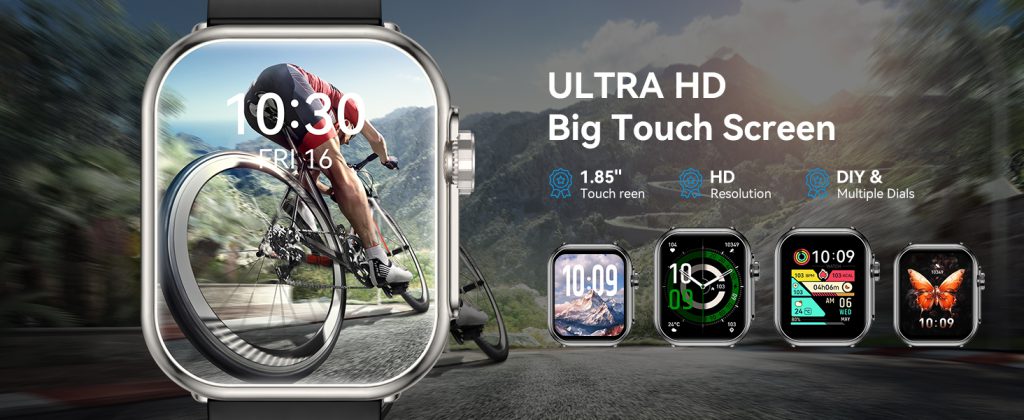
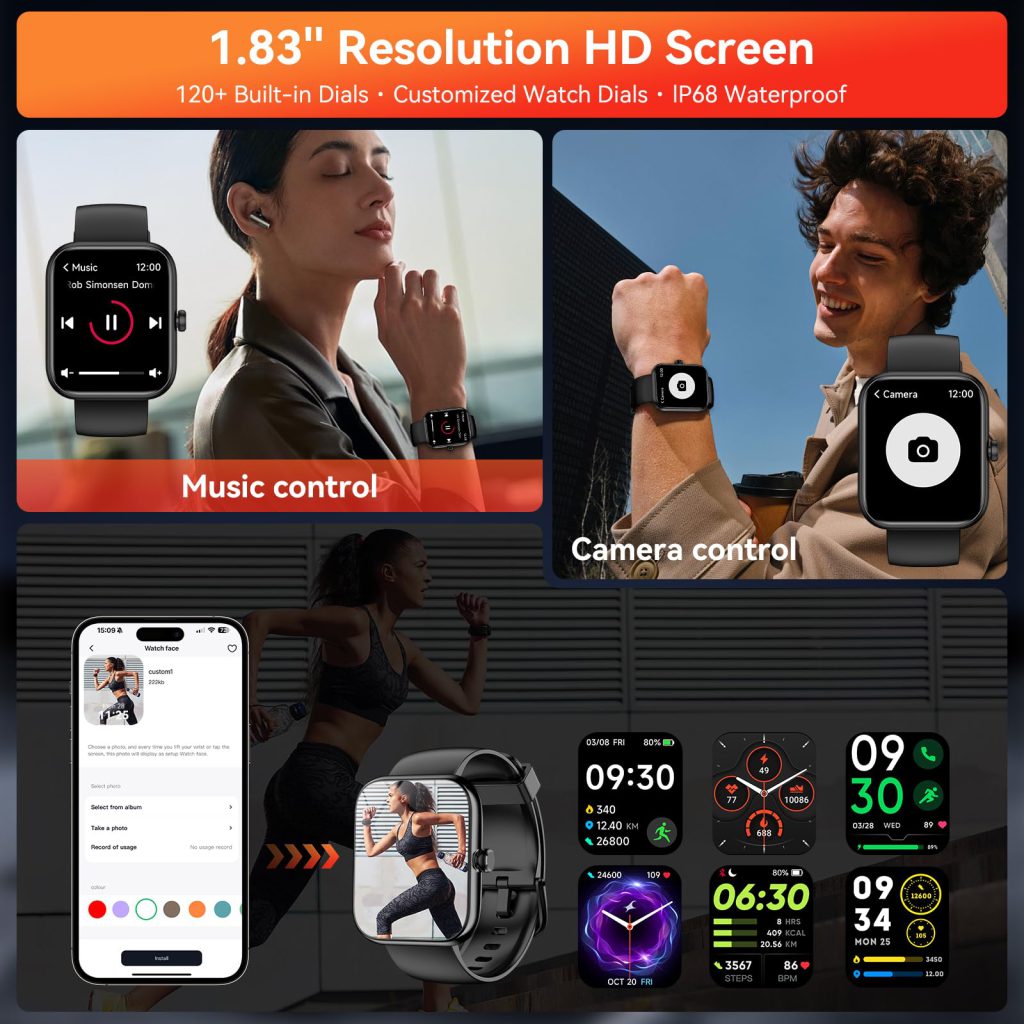
The customization potential through watch faces has expanded dramatically in budget smartwatches. Zepp OS supports over 150 customizable faces on Amazfit devices, including data-rich options displaying steps, weather, calendar events, and health metrics simultaneously . Fitbit’s platform offers similarly extensive personalization, while Xiaomi’s Mi Band supports third-party face creation through community tools. This flexibility allows users to transform device appearance to match occasions, moods, or functional priorities without hardware changes.


Health and Fitness Tracking: Medical-Grade Sensors at Mass-Market Prices

From Step Counters to Comprehensive Wellness Platforms

The health monitoring capabilities of entry-level smartwatches have evolved from basic pedometers to sophisticated wellness platforms that capture biometric data once requiring dedicated medical devices. This transformation represents the most significant value proposition for budget-conscious health-conscious consumers.

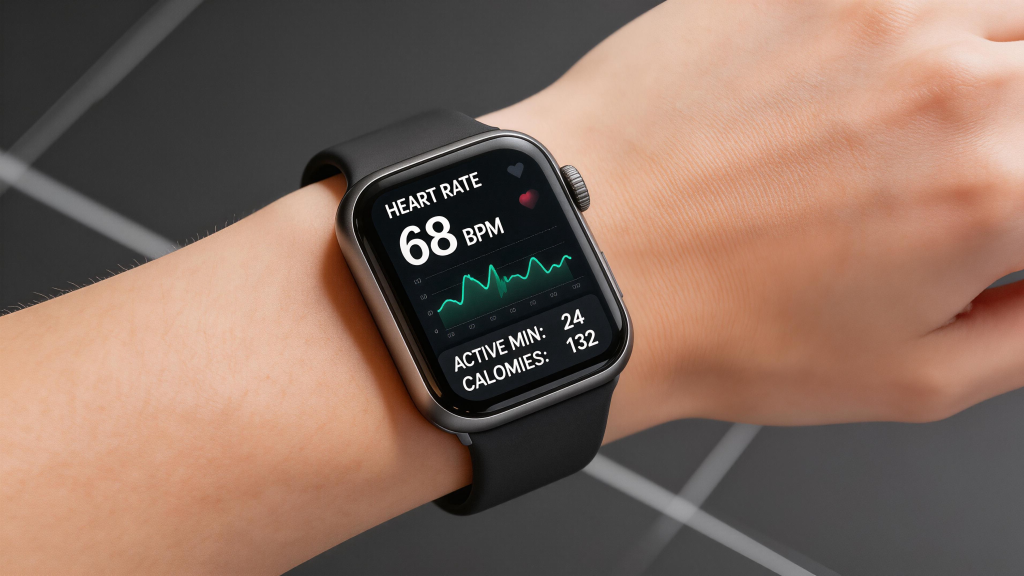
Continuous heart rate monitoring has become standard across all reputable sub-$100 smartwatches, utilizing photoplethysmography (PPG) sensors that measure blood volume changes through optical detection. Contemporary implementations achieve accuracy within ±3 beats per minute compared to chest strap monitors during steady-state cardio, a tolerance sufficient for general fitness tracking and health awareness . Sampling rates vary by activity context, with increased frequency during exercise detection and periodic measurement during rest periods to optimize battery consumption.

Blood oxygen saturation (SpO2) monitoring has transitioned from premium exclusivity to budget standard within two years. Devices like the Amazfit Bip 5, Fitbit Inspire 3, and Xiaomi Mi Band 8 Pro incorporate red and infrared LEDs that estimate oxygen binding in hemoglobin, providing respiratory health insights particularly relevant following pandemic-era wellness awareness . While not medically certified for diagnostic purposes, these sensors offer valuable trend data for fitness optimization and altitude acclimation monitoring.

Sleep tracking capabilities in entry-level devices now approach clinical sophistication. Algorithmic improvements—rather than hardware enhancements—have enabled accurate sleep stage detection (light, deep, REM) with approximately 82% agreement with polysomnography in controlled trials . The Fitbit Inspire 3 particularly excels here, leveraging decades of sleep research to provide actionable insights into sleep hygiene, while Amazfit devices offer comparable functionality through Zepp Health’s extensive user database . Sleep onset detection, wake-up recognition, and daytime nap logging have become standard features that help users understand recovery patterns without dedicated sleep lab visits.

Stress monitoring through heart rate variability (HRV) analysis has democratized access to autonomic nervous system assessment. The Fitbit Inspire 3 incorporates an Electrodermal Activity (EDA) sensor that measures subtle skin conductivity changes linked to stress responses, guiding breathing exercises when elevated readings indicate tension . Amazfit devices utilize optical HRV measurement to generate stress scores and readiness assessments, helping users balance activity and recovery. These features, once exclusive to devices costing $300+, now guide wellness decisions for budget-conscious consumers.

Women’s health tracking—including menstrual cycle logging, ovulation prediction, and symptom documentation—has become comprehensive in entry-level devices. Zepp Health and Fitbit platforms provide predictive algorithms that improve accuracy over time, while privacy-conscious local processing ensures sensitive data remains device-resident. This functionality addresses a historically underserved market segment, providing valuable health insights without subscription fees or premium hardware requirements.

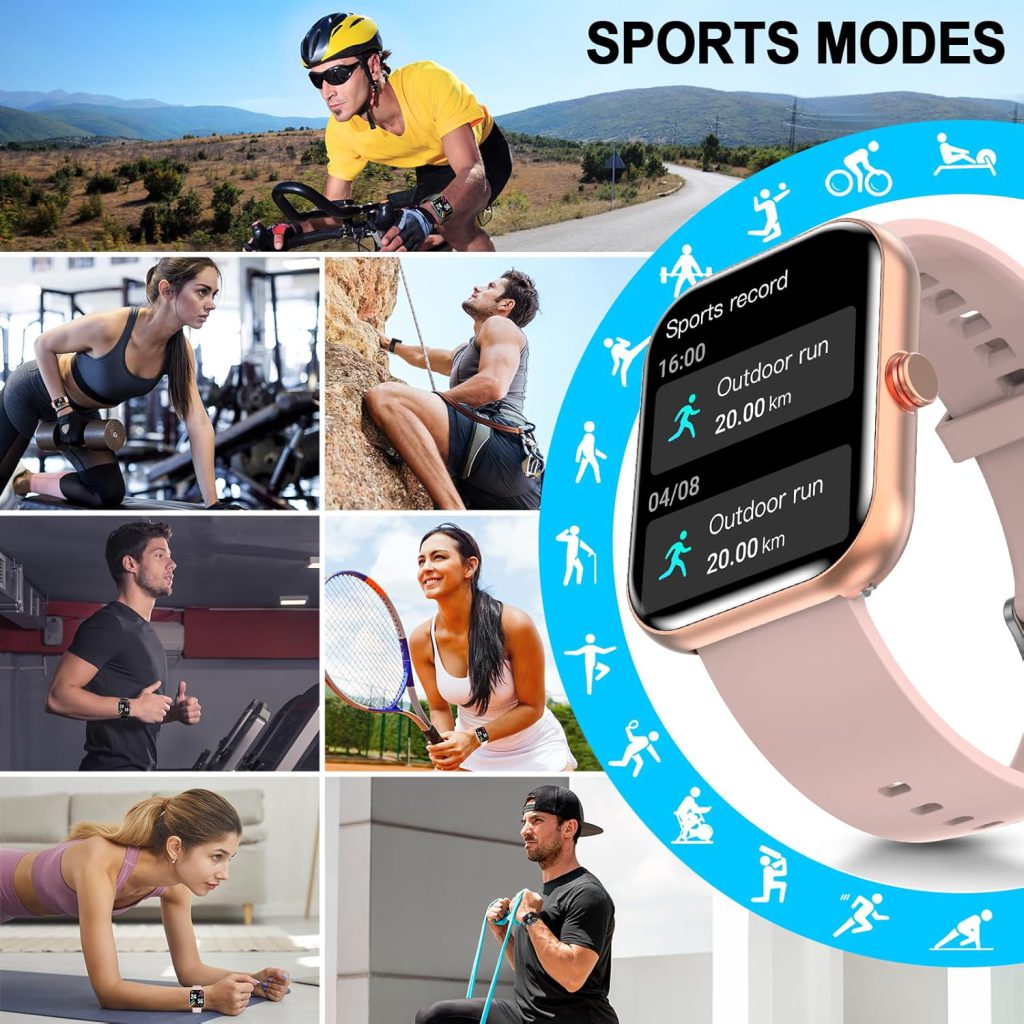
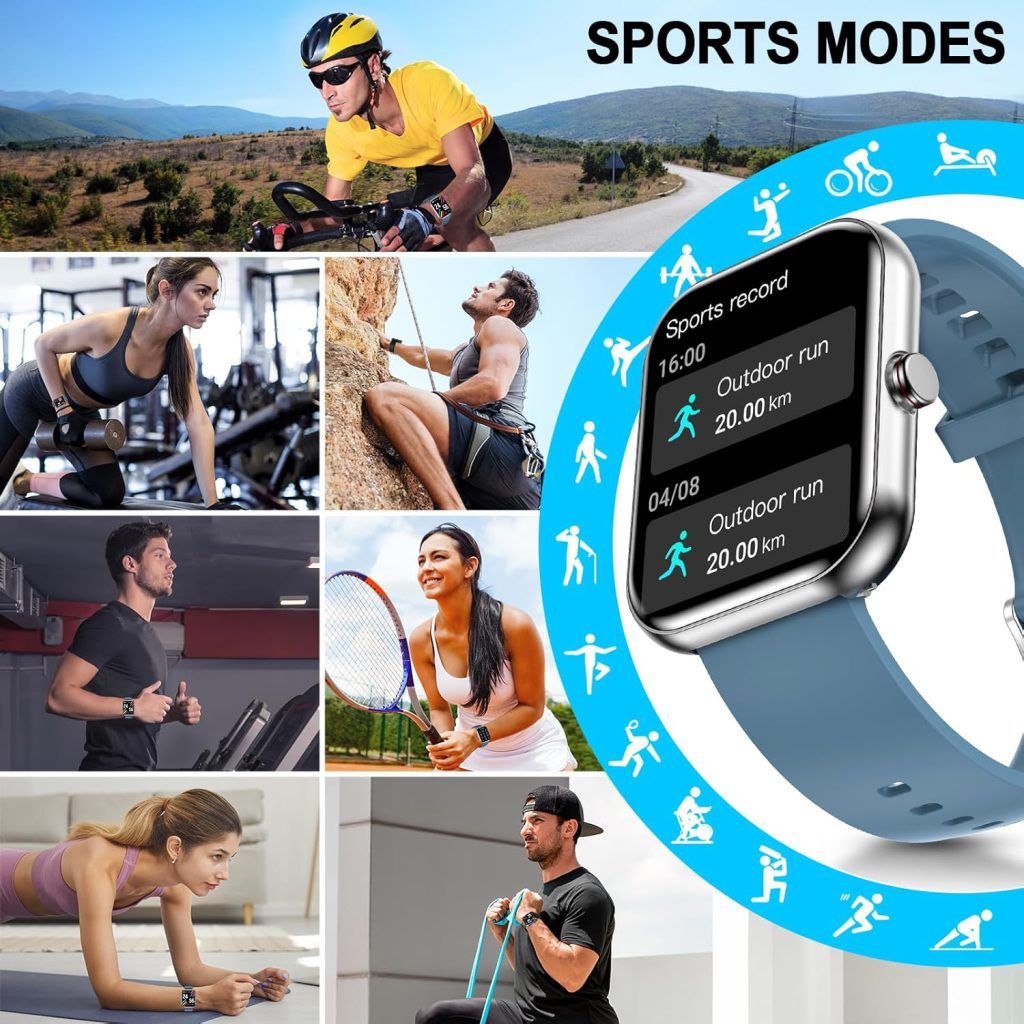
Sports mode expansion reflects the athletic ambition of budget smartwatch users. The Amazfit Active 2 offers 164 distinct activity profiles ranging from mainstream options (running, cycling, swimming) to niche pursuits (yoga, rowing, HIIT training) . Automatic workout recognition for common activities—walking, running, cycling, swimming—eliminates manual logging friction, while real-time metrics including pace, distance, heart rate zones, and calorie estimates guide training intensity. The Xiaomi Mi Band 8 Pro’s HyperBeat engine specifically optimizes heart rate sampling during intense exercise, improving data reliability when optical sensors typically struggle .

GPS functionality represents perhaps the most significant capability advancement in budget smartwatches. The Amazfit Bip 6 and Xiaomi Mi Band 8 Pro incorporate built-in satellite positioning that enables route tracking without smartphone tethering . While accuracy may lag dedicated sports watches or phone-assisted positioning, the convenience of phone-free running and cycling appeals to minimalist athletes. The Bip 6 notably includes offline maps—a feature virtually unheard of in sub-$100 devices—supporting navigation during remote adventures without cellular connectivity . Dual-band GPS implementations, utilizing both L1 and L5 satellite frequencies, have begun appearing in budget devices to improve urban canyon and foliage penetration accuracy.

The accuracy limitations of entry-level health sensors warrant honest acknowledgment. Heart rate measurements during high-intensity interval training or irregular motion patterns (strength training, combat sports) frequently show lag or deviation compared to chest straps. Sleep stage algorithms, while improved, still misclassify wake periods and transition timing. GPS tracks in dense urban environments or heavy tree cover display characteristic drift and elevation inaccuracy. These compromises reflect sensor cost constraints and processing power limitations that manufacturers balance against price targets. For users requiring medical-grade precision or competitive athletic accuracy, dedicated devices remain necessary. However, for general wellness awareness, trend tracking, and fitness motivation, budget smartwatch sensors deliver sufficient reliability.


Battery Life and Power Management: The Budget Advantage

Two-Week Endurance in an Always-On World

Perhaps no specification distinguishes entry-level smartwatches from premium alternatives more dramatically than battery endurance. While flagship devices typically require daily charging when utilizing full feature sets, budget smartwatches routinely achieve 7-14 day battery life through efficient hardware design and software optimization—a paradoxical advantage that stems from capability limitations rather than technological superiority.

The Amazfit Bip 6 delivers up to 14 days of typical use, extending to 10 days with regular GPS and notification activity . The Xiaomi Mi Band 8 Pro achieves 12-16 days depending on configuration . Even the feature-rich Fitbit Inspire 3 manages 10 days between charges despite its comprehensive health monitoring . The Garmin Vivomove Sport, leveraging hybrid analog-digital architecture, extends endurance to five months in smartwatch mode and indefinitely for basic timekeeping .

This longevity stems from multiple engineering decisions. Efficient operating systems—Zepp OS, Fitbit’s embedded platform, Xiaomi’s proprietary firmware—minimize background processes and aggressive power management. Lower-resolution displays and reduced refresh rates decrease power consumption compared to flagship AMOLED implementations. Simplified processor architectures sacrifice computational power for energy efficiency. Reduced connectivity options—Bluetooth LE rather than cellular radios—eliminate power-hungry transmission requirements.

The practical implications of extended battery life transform user experience fundamentally. Sleep tracking becomes practical without nighttime charging anxiety or uncomfortable mid-sleep battery anxiety. Travel requires no charger packing for short trips, reducing cognitive load and luggage weight. Multi-day outdoor activities—hiking, camping, festival attendance—proceed without power concern. The psychological relief of ignoring battery indicators contrasts sharply with flagship smartwatch users’ daily charging rituals.

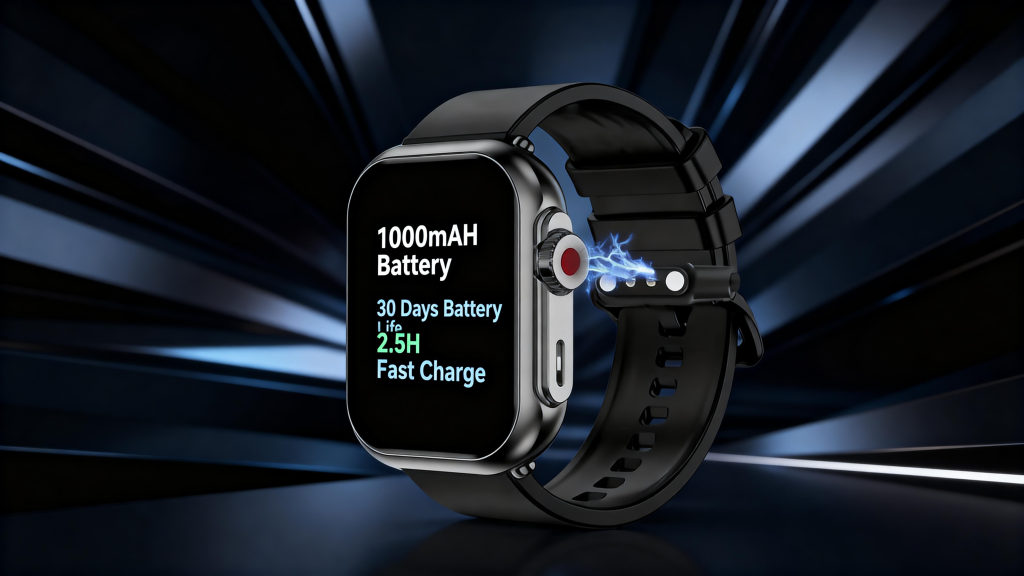
Charging infrastructure for budget smartwatches has standardized around magnetic USB-C pucks that offer universal compatibility and replacement availability . This contrasts favorably with proprietary docking systems that render devices useless upon charger loss or failure. Charging times typically range from 1-2 hours for full replenishment, with quick-charge capabilities providing day-long power from 15-minute top-ups in some implementations.

Power management optimization strategies can extend budget smartwatch endurance further. Disabling continuous SpO2 monitoring—which consumes 30-40% of daily battery capacity—preserves longevity for users without specific respiratory monitoring needs . Notification filtering to essential applications (calls, texts, calendar) rather than comprehensive social media and email alerts reduces background processing. Screen brightness reduction to 60% maintains outdoor legibility while extending battery by approximately 18 hours . Automatic “Do Not Disturb” activation during detected sleep windows preserves both power and rest quality.

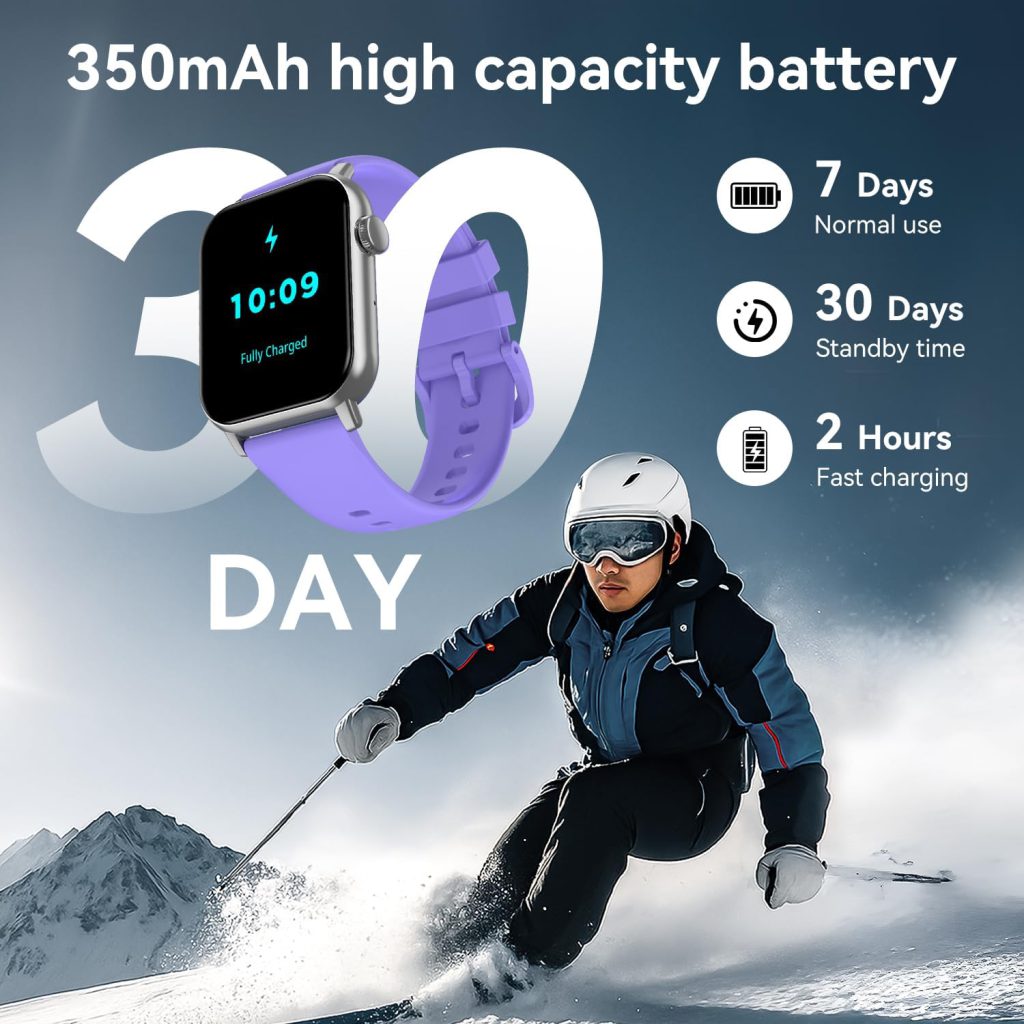
The battery chemistry in budget smartwatches typically utilizes lithium-ion cells with 300-350mAh capacity—smaller than flagship alternatives but sufficient given reduced power demands . Longevity optimization through partial charging (avoiding deep discharge below 15%) can extend cell lifespan by 2-3 years, addressing concerns about disposable electronics sustainability .


Smart Features and Connectivity: Essential Integration

Notifications, Calls, and Voice Assistance

While health monitoring dominates marketing narratives, the foundational smartwatch functionality—seamless smartphone integration—determines daily utility for most users. Entry-level devices have refined these capabilities substantially, offering notification management, communication features, and voice assistance that satisfy mainstream requirements without premium complexity.

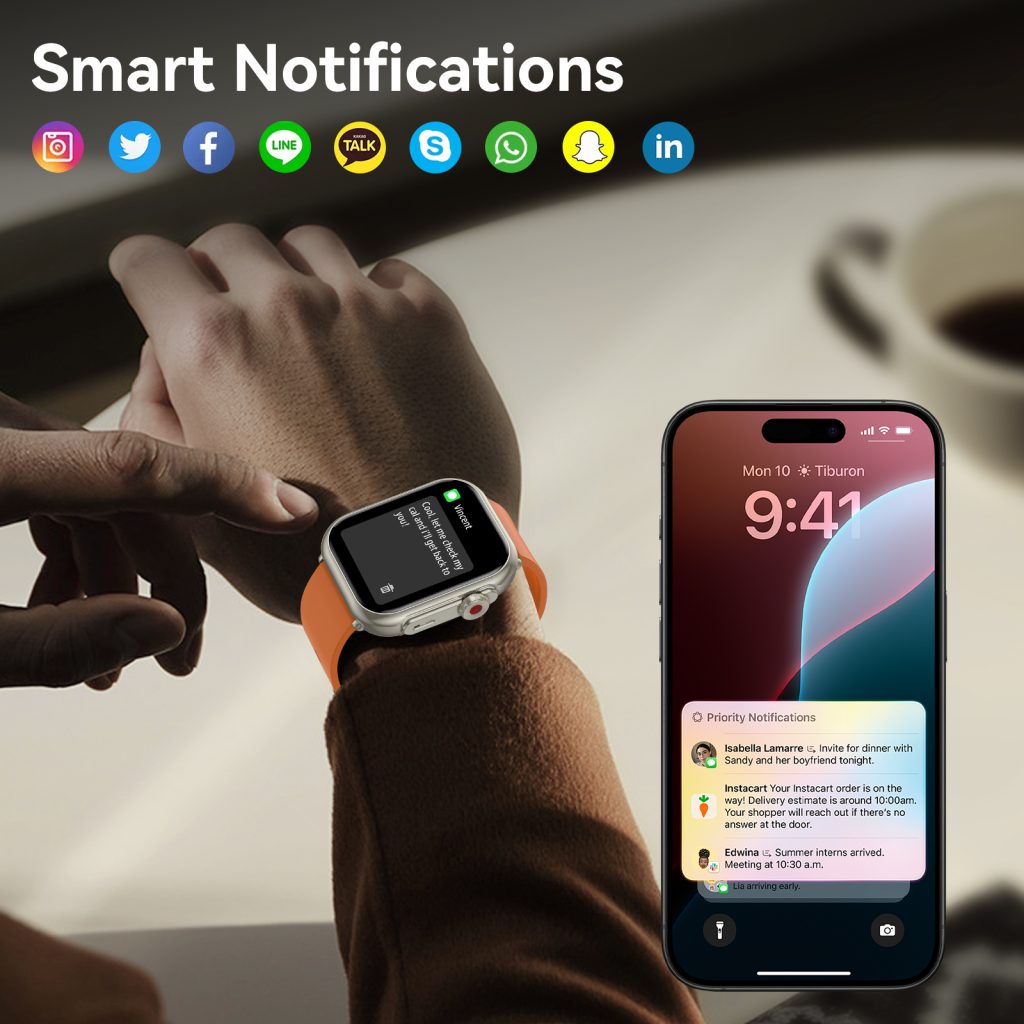
Notification mirroring from smartphones has achieved reliability in budget smartwatches that matches expensive alternatives. Calls, text messages, calendar alerts, and application notifications transmit via Bluetooth LE with minimal latency, displaying sender information and content previews on wrist screens. The Amazfit GTS 5 Mini and Bip 6 support customizable notification filtering, allowing users to prioritize critical communications while suppressing distracting social media or promotional alerts . Haptic feedback patterns distinguish notification types without visual inspection, enabling discreet awareness during meetings or social situations.

Bluetooth calling capabilities have emerged as a differentiating feature in sub-$100 devices. The Xiaomi Mi Band 8 Pro incorporates a built-in microphone and speaker enabling direct wrist-based conversation . The Amazfit Bip 6 supports Bluetooth call handling, though audio quality reflects price-appropriate microphone and speaker components . These features prove particularly valuable for quick responses when phone access is inconvenient—during cooking, driving, or when phones are buried in bags. Call quality limitations become apparent in noisy environments or extended conversations, but for brief exchanges, wrist-based calling delivers genuine convenience.

Voice assistant integration in budget smartwatches typically leverages smartphone-hosted processing rather than local implementation. Amazon Alexa support appears on Amazfit devices, enabling voice-controlled queries, smart home commands, and information retrieval when paired with phones . Zepp Flow AI assistant—replacing Alexa on newer Amazfit models—offers inconsistent performance but represents ambitious functionality inclusion at budget pricing . Google Assistant and Siri compatibility varies by manufacturer, with broader support on Wear OS devices (though these typically exceed $100) and limited implementation on proprietary platforms.

Music control functionality allows wrist-based playback management without phone retrieval. Play/pause, track skipping, and volume adjustment from watch interfaces support workout continuity and commute convenience. However, standalone music storage and streaming remain rare in sub-$100 devices due to storage and licensing cost constraints. Users seeking phone-free audio during exercise must typically invest in premium alternatives or utilize separate MP3 devices.

Third-party application ecosystems represent the most significant capability gap between entry-level and flagship smartwatches. Budget devices universally lack app stores, restricting functionality to manufacturer-installed features and companion app integrations. This limitation eliminates possibilities for specialized applications—Strava detailed analysis, Spotify offline playlists, navigation beyond basic GPS tracking, payment systems beyond NFC in select markets. For users whose requirements center on health monitoring, notifications, and basic connectivity, this constraint proves acceptable. Those seeking comprehensive smartphone extension must either accept premium pricing or utilize phone-based alternatives for advanced functions.

Smart home integration varies by platform. Amazfit devices with Alexa support control compatible smart home devices through voice commands. Xiaomi’s ecosystem integration enables Mi Band users to interact with extensive Xiaomi smart home product lines. However, cross-platform compatibility—controlling Google Home or Apple HomeKit devices from budget watches—remains limited, reflecting ecosystem fragmentation that affects all price tiers but particularly constrains affordable options lacking development resources for broad integration.


Durability and Design: Surprising Quality at Modest Prices

Materials, Water Resistance, and Longevity

The physical construction of entry-level smartwatches has improved substantially, with manufacturers recognizing that durability perceptions significantly influence purchase confidence and satisfaction. While premium materials remain the province of expensive devices, budget options now offer construction quality that withstands daily rigors and active lifestyles.

Water resistance ratings have standardized at 5ATM (50 meters) across reputable sub-$100 smartwatches, enabling swimming, showering, and water sport participation without damage concerns . The Fitbit Inspire 3, Amazfit Bip 5, and Xiaomi Mi Band 8 Pro all carry this certification, though manufacturers typically exclude diving and high-velocity water sports from warranty coverage. IP68 ratings—indicating dust tightness and water submersion resistance—provide equivalent protection with different certification methodologies . These ratings represent genuine capability improvements from earlier generations where “splash resistance” provided minimal protection.

Case materials in budget smartwatches span aluminum alloys, high-grade plastics, and stainless steel depending on specific model positioning. The Amazfit Active 2 utilizes stainless steel cases that project premium aesthetics despite sub-$100 pricing . The Amazfit Bip 6 upgraded from all-plastic construction to aluminum alloy frames, substantially improving perceived quality . Plastic chassis—exemplified by the Bip 6’s construction—reduce weight and cost while maintaining structural integrity for normal use, though they show wear more readily than metal alternatives.

Display protection typically employs chemically strengthened glass rather than sapphire crystal or advanced composites found in premium devices. This compromise requires user awareness—budget smartwatches benefit from screen protector application and avoidance of abrasive contact. However, the cost differential (sapphire add $50-100 to device pricing) makes this trade-off rational for price-sensitive consumers willing to exercise moderate care.

Strap systems have standardized around quick-release mechanisms compatible with 20mm or 22mm third-party bands, enabling extensive customization at minimal cost . Silicone sport bands ship standard, suitable for exercise and water exposure. Leather, metal link, and nylon alternatives from third-party manufacturers ($8-15) transform device appearance for professional or formal contexts . This ecosystem flexibility allows single-device versatility across activity contexts that would require multiple traditional watches.

Weight optimization characterizes budget smartwatch design, with devices like the Xiaomi Mi Band 8 Pro achieving 38-gram mass that enables comfortable 24/7 wear including sleep tracking . Lighter construction reduces wrist fatigue during extended exercise and minimizes sleep disruption compared to heavier premium alternatives. The trade-off typically involves reduced battery capacity, though efficient power management maintains acceptable endurance despite smaller cells.

Longevity expectations for entry-level smartwatches realistically span 2-3 years under normal use . Battery degradation, software support discontinuation, and physical wear eventually necessitate replacement. However, the total cost of ownership remains favorable compared to premium devices with similar lifespans but substantially higher initial investment. Manufacturers providing firmware updates beyond 18 months—Amazfit and Fitbit demonstrate better track records than ultra-budget alternatives—extend practical utility and security.


Software Platforms and Ecosystem Integration

Zepp OS, Fitbit, and the Efficiency Imperative

The operating systems powering entry-level smartwatches have been engineered specifically for resource-constrained environments, delivering functional richness without demanding flagship-level hardware. This software optimization represents a key enabler of budget device capability, allowing sophisticated features to run smoothly on modest processors with limited memory.

Zepp OS, developed by Zepp Health (formerly Huami) for Amazfit devices, exemplifies efficient wearable operating system design. The platform minimizes background processes that drain battery and degrade performance, enabling responsive interfaces on hardware that would struggle with general-purpose operating systems . Version 3.5 introduces offline weather capabilities, voice assistant support, and enhanced notification management while maintaining the efficiency that enables 14-day battery life . The companion Zepp application provides comprehensive data visualization, workout analysis, and device configuration across iOS and Android platforms.

Fitbit’s embedded platform prioritizes health data presentation and user accessibility. The interface emphasizes simplicity over complexity, making wellness information comprehensible for demographics less comfortable with technology complexity . Fitbit Premium integration—typically including 6 months complimentary access with device purchase—provides advanced analytics, guided programs, and historical trend analysis that add value beyond hardware capabilities. However, Google’s ownership has introduced uncertainty regarding long-term platform direction and device support commitments.

Xiaomi’s proprietary firmware for Mi Band devices leverages the company’s extensive ecosystem integration. Seamless pairing with Xiaomi smartphones enables enhanced functionality, while cross-platform compatibility maintains basic features for iOS and other Android devices. The Zepp app (formerly Mi Fit) provides unified management for Xiaomi and Amazfit devices, simplifying multi-device households .

Samsung’s Tizen-based OS for Galaxy Fit devices offers polished interfaces and Samsung ecosystem integration, though functionality diminishes when paired with non-Samsung phones . The rotating bezel navigation—unique to Samsung devices—provides intuitive interaction that distinguishes the platform from touch-only alternatives.

Companion application quality significantly impacts budget smartwatch utility. Zepp Health and Fitbit applications receive generally positive reviews for data visualization and usability, though occasional connectivity glitches and synchronization delays affect user experience . Third-party application limitations—restricted notification support for email clients and productivity tools on some Xiaomi devices, for example—represent compromises that prospective buyers should verify against specific requirements .

Software update frequency and duration vary substantially between manufacturers. Amazfit and Fitbit demonstrate commitment to extended support, providing firmware updates addressing bugs, security vulnerabilities, and feature enhancements for 2-3 years post-release. Ultra-budget alternatives from lesser-known brands frequently cease updates within 12-18 months, leaving devices vulnerable to compatibility issues with evolving smartphone operating systems . This support variation justifies modest price premiums for established brands with demonstrated track records.


Market Landscape and Competitive Dynamics

The Brands Redefining Affordable Wearables

The entry-level smartwatch market has consolidated around several dominant players whose manufacturing scale, supply chain control, and software development capabilities enable quality delivery at aggressive pricing. Understanding these competitive dynamics helps consumers navigate options and identify reliable purchases.

Amazfit (Zepp Health) has established market leadership in the sub-$100 category through relentless feature inclusion and pricing aggression. The Bip series—evolving from the original Bip through Bip 5 to the current Bip 6—demonstrates iterative improvement maintaining price positioning while adding capabilities like AMOLED displays, offline maps, and AI assistants . The Active series targets style-conscious consumers with stainless steel construction and comprehensive sports modes at $99 price points . Manufacturing scale derived from Xiaomi partnership and extensive Chinese market presence enables cost structures that Western competitors cannot match.

Xiaomi’s Mi Band series—now in its 8th generation with Pro variants—represents perhaps the purest expression of budget wearable philosophy. Starting at $44.99 for the standard Mi Band 9 and extending to $69.90 for the GPS-equipped 8 Pro, these devices prioritize core functionality refinement over feature expansion . HyperBeat heart rate optimization, dual-band GPS, and built-in calling demonstrate capability ambition despite minimalist pricing. Xiaomi’s ecosystem integration and manufacturing efficiency sustain margins at price points where competitors struggle to operate profitably.

Fitbit (Google) occupies a distinctive position emphasizing health monitoring credibility over specification maximization. The Inspire 3 at $95.95 leverages decades of wellness research and FDA-cleared sensor implementations to justify modest pricing premiums over Asian competitors . Medical-grade PPG sensors, EDA stress monitoring, and comprehensive sleep analysis appeal to health-focused consumers less sensitive to absolute price minimization. However, platform uncertainty following Google acquisition and Premium subscription dependencies create competitive vulnerabilities.

Samsung’s Galaxy Fit 3 at $89.99 offers polished industrial design and ecosystem integration for Android users, particularly those within Samsung’s device constellation . The rotating bezel navigation and Tizen-based OS provide differentiation, though iOS compatibility limitations and higher pricing relative to specification-rich Chinese alternatives constrain market share expansion.

Emerging players including Noon (Solar Pro 2026 at $94.99 with solar charging and 28-day battery) and Tinymoose demonstrate innovation possibilities for smaller manufacturers targeting specific use cases . Solar charging, extreme battery optimization, and specialized outdoor features provide differentiation that challenges mass-market leaders in specific segments.

The competitive pressure from these established and emerging brands has driven capability expansion that benefits consumers regardless of specific selection. Features introduced as differentiators rapidly become category standards as competitors respond. The AMOLED display transition—pioneered by Amazfit and rapidly adopted by Xiaomi and others—exemplifies this dynamic, with 2026 budget devices universally offering screen quality that would have commanded $200+ pricing two years prior.


Practical Selection Guidance: Matching Features to Needs

Optimizing Value for Specific Use Cases

Navigating the entry-level smartwatch landscape requires honest assessment of individual requirements against available capabilities. The following framework guides feature prioritization for common use scenarios, enabling informed trade-off decisions that maximize satisfaction within budget constraints.

For First-Time Smartwatch Adopters: Prioritize ecosystem compatibility and ease of use over specification maximization. The Fitbit Inspire 3 offers intuitive interfaces and comprehensive health tracking that introduce wearable utility without overwhelming complexity. Amazfit Bip 6 provides similar accessibility with extended battery life that reduces charging burden for users unaccustomed to daily device management. Avoid feature-rich options with complex interfaces that may discourage consistent use during adaptation periods.

For Dedicated Fitness Enthusiasts: GPS functionality becomes essential for accurate outdoor activity tracking without phone dependency. The Amazfit Bip 6 and Xiaomi Mi Band 8 Pro offer built-in satellite positioning that supports running, cycling, and hiking route recording . Heart rate accuracy during high-intensity exercise remains a budget limitation—serious athletes should consider chest strap pairing options available on some Amazfit models or accept reduced precision for cost savings . Sport mode variety matters less than automatic detection reliability for common activities.

For Health Monitoring Focus: Medical-grade sensor implementations justify modest price premiums. The Fitbit Inspire 3’s FDA-cleared ECG (via firmware update), EDA stress monitoring, and clinically validated sleep staging provide credibility that generic alternatives lack . Continuous SpO2 monitoring suits respiratory health concerns, while HRV tracking enables recovery and readiness assessment. Prioritize manufacturers with health research investments and regulatory clearances over specification maximization.

For Extended Outdoor Use: Battery endurance and durability dominate requirements. The Noon Solar Pro 2026’s solar charging and 28-day battery suit multi-day backpacking and off-grid activities . The Garmin Vivomove Sport’s five-month endurance in hybrid mode eliminates charging logistics for expedition use . Offline maps on Amazfit Bip 6 support navigation without cellular connectivity . Water resistance and temperature tolerance ensure environmental resilience.

For Professional and Formal Contexts: Design aesthetics and notification discretion prove paramount. The Amazfit Active 2’s stainless steel construction and classic watch face options project appropriate professionalism . Customizable bands enable context-appropriate appearance transformation. Silent notification handling through vibration patterns maintains meeting etiquette. Avoid overtly sporty designs with bright colors and bulky construction that clash with professional attire.

For Children’s Use: Durability, location tracking, and communication simplicity guide selection. While dedicated children’s smartwatches exist outside this analysis’s scope, budget fitness bands like Xiaomi Mi Band offer robust construction and basic communication capabilities suitable for older children. Parental monitoring through companion apps provides oversight without invasive surveillance. Battery life extending beyond school weeks reduces management burden.

For Budget Maximization: The Xiaomi Mi Band 9 at $44.99 delivers core functionality—accurate health tracking, reliable notifications, extended battery—that satisfies general requirements for minimal investment . Accepting proprietary charging and limited ecosystem integration enables substantial savings with minimal capability sacrifice. This approach suits uncertain adoption commitment or gift purchasing where recipient preferences remain unknown.


Limitations and Trade-Offs: Honest Assessment

Where Budget Devices Fall Short

Responsible consumer guidance requires acknowledgment of entry-level smartwatch limitations. These constraints, while acceptable for many users, may prove decisive deal-breakers for specific requirements that justify premium investment.

Medical Accuracy Limitations: While budget devices provide valuable health trend data, they lack diagnostic precision required for medical decision-making. Heart rate accuracy degrades during irregular motion, atrial fibrillation detection remains algorithmic rather than clinical, and blood oxygen readings serve wellness awareness rather than respiratory diagnosis. Users requiring medical-grade monitoring for health conditions should consult healthcare providers regarding appropriate device selection, potentially requiring prescription-grade alternatives.

Application Ecosystem Absence: The inability to install third-party applications fundamentally constrains budget smartwatch utility. No Spotify offline playback, no Strava detailed segment analysis, no navigation beyond basic GPS tracking, no payment systems in most implementations (NFC variants command $30+ premiums) . Users whose workflows depend on specific applications must either accept phone dependency or invest in premium platforms supporting app installation.

Construction Durability: Plastic chassis, standard glass rather than sapphire crystal, and basic water resistance ratings (5ATM excludes diving and high-velocity water sports) impose care requirements that premium devices minimize. Budget smartwatches suit normal daily use and recreational swimming but may not withstand extreme sports, industrial environments, or careless handling that premium materials tolerate.

Software Support Duration: Entry-level devices typically receive firmware updates for 18-24 months versus 4-5 years for flagship alternatives . Eventually, compatibility with evolving smartphone operating systems degrades, security vulnerabilities emerge unpatched, and feature stagnation occurs. This planned obsolescence suits rapid technology cycling but frustrates users seeking extended utility from initial investment.

Display and Interaction Limitations: Smaller screens, reduced brightness compared to premium AMOLED implementations, and touch responsiveness challenges in wet conditions or glove use constrain interaction quality. Always-on display functionality, while present, typically reduces battery life more dramatically than in flagship devices with optimized implementations.

Voice Assistant and AI Inconsistency: Budget device voice assistants demonstrate limited comprehension, inconsistent response, and smartphone dependency that undermine utility. The Zepp Flow AI replacement for Alexa on newer Amazfit models receives criticism for unreliable performance . Users should view these features as experimental bonuses rather than core functionality dependencies.


The Democratization of Wearable Technology

The entry-level smartwatch category in 2026 delivers capabilities that would have seemed fantastical for $100 devices just years ago. AMOLED displays, two-week battery life, built-in GPS, comprehensive health monitoring, and reliable smartphone integration now define standard expectations rather than premium exclusivity. This democratization reflects manufacturing maturation, component cost reduction, and software optimization that collectively enable quality experiences at accessible pricing.

For consumers, this evolution presents genuine alternatives to premium investment. The calculus has shifted from “what must I sacrifice for affordability?” to “what specific advanced capabilities justify premium pricing for my requirements?” For millions of users, entry-level devices satisfy all legitimate needs, delivering health awareness, connectivity convenience, and fitness motivation without financial strain.

The competitive dynamics driving this capability expansion show no signs of abating. Amazfit, Xiaomi, and emerging challengers continue pushing feature boundaries downward while established players like Fitbit and Samsung defend positioning through health credibility and ecosystem integration. Consumers benefit regardless of specific selection, with even baseline devices offering functionality that transforms daily life management.

The budget smart watch is no longer a compromise. It has become a legitimate choice—a deliberate selection of value-appropriate capability over specification excess that serves practical requirements without aspirational indulgence. As the category continues maturing, the gap between entry-level and premium experiences will further narrow, potentially redefining market segmentation and pricing structures across the entire wearable industry.

For those considering first-time smartwatch adoption, replacing aging devices, or seeking capable gifts without premium expenditure, the current entry-level landscape offers unprecedented opportunity. The features examined in this analysis—display quality, health monitoring, battery endurance, smart integration, and durable construction—combine to deliver experiences that genuinely enhance daily life. The smartwatch revolution has finally become accessible to all.

The Smart watch Wars: How Apple, Samsung, and Garmin Are Redefining Your Wrist

The Battle for Your Wrist Has Only Just Begun

Walk into any coffee shop, gym, or corporate office in 2025, and you’ll notice something remarkable. Nearly every other wrist is adorned with a smartwatch—some sleek and minimalist, others rugged and purposeful. What began as a novelty gadget for tech enthusiasts has evolved into an essential lifestyle companion, with the global smartwatch market projected to exceed $96 billion by 2030 .

The landscape has shifted dramatically from the early days when simply receiving notifications on your wrist felt revolutionary. Today’s consumers demand sophisticated health monitoring, week-long battery life, seamless ecosystem integration, and designs that transition effortlessly from boardrooms to mountain trails. The brands that have risen to meet these expectations aren’t just selling devices; they’re selling comprehensive wellness ecosystems that promise to transform how we understand our bodies and manage our daily lives.

This transformation hasn’t happened by accident. Behind every smooth user interface and accurate heart rate reading lies years of intense research and development, strategic partnerships, and fierce competition among industry giants. Apple continues to dominate with its vertically integrated approach, Samsung leverages its hardware manufacturing prowess and Android ecosystem, while Garmin has carved out an enviable niche among serious athletes and outdoor enthusiasts .

But the story doesn’t end with these three giants. Emerging players from China are challenging established norms with aggressive pricing and innovative features. Traditional luxury watchmakers are entering the fray, attempting to blend centuries-old craftsmanship with cutting-edge technology. Meanwhile, specialized brands focus on specific use cases—whether that’s medical-grade health monitoring for chronic conditions or ultra-rugged devices for extreme environments.

Understanding this competitive landscape matters whether you’re a consumer looking to invest in your first smartwatch, a tech enthusiast tracking industry trends, or a business professional seeking to understand where this market is heading. The decisions these companies make today will shape the wearable technology of tomorrow, influencing everything from how we manage our health to how we interact with the digital world.

In this comprehensive analysis, we’ll dive deep into the strategies, strengths, and vulnerabilities of the leading smartwatch brands. We’ll explore how they’ve differentiated themselves in an increasingly crowded market, examine the technological innovations driving the industry forward, and consider what the future holds for wrist-worn technology. By the end, you’ll have a clear picture of not just where the market stands today, but where it’s headed in the coming years.

The Market Leaders: A Three-Horse Race with Clear Differentiation

The smartwatch market in 2025 resembles a sophisticated ecosystem where different species have evolved to dominate specific niches. While dozens of brands compete for consumer attention, three companies have established clear leadership positions through distinctly different approaches to product development and market positioning.

Apple: The Ecosystem Architect

Apple’s dominance in the smartwatch market is nothing short of remarkable. According to Counterpoint Research data, Apple commanded approximately 36% of the global smartwatch market share in 2025, maintaining its position as the industry leader despite increasing competition . This success stems not merely from superior hardware, but from Apple’s mastery of ecosystem integration.

The Apple Watch doesn’t exist in isolation—it’s the physical manifestation of Apple’s broader vision for personal technology. When you strap on an Apple Watch, you’re not just wearing a timepiece; you’re extending your iPhone’s capabilities onto your wrist while gaining access to a suite of health and fitness services that grow more sophisticated with each software update. The seamless handoff between devices, the shared health data with your iPhone and iPad, and the integration with Apple Fitness+ create a user experience that competitors struggle to replicate.

What sets Apple apart is its approach to health monitoring. The company has invested heavily in obtaining FDA clearances for features like ECG monitoring and irregular heart rhythm notifications, transforming the Apple Watch from a fitness tracker into a legitimate health monitoring device . The introduction of features like blood oxygen monitoring, sleep stage tracking, and temperature sensing for women’s health tracking demonstrates Apple’s commitment to making its watch an indispensable health companion.

The business model is equally sophisticated. While competitors often rely solely on hardware sales, Apple has built a recurring revenue stream through services like Apple Fitness+, which converts each device sale into ongoing subscription income . This approach not only increases the lifetime value of each customer but also creates switching costs that make it harder for users to leave the ecosystem.

However, Apple’s approach isn’t without limitations. The Apple Watch remains exclusively compatible with iPhones, automatically excluding the vast Android user base. Battery life, while improved, still typically requires daily charging—a significant pain point for users who want sleep tracking without the hassle of nightly charging routines. And the premium pricing, while justified by the feature set, places Apple Watches out of reach for budget-conscious consumers.

Samsung: The Android Champion

Samsung holds approximately 10% of the global smartwatch market share, ranking second to Apple in overall unit shipments . While this gap might seem substantial, Samsung’s position as the leading Android smartwatch manufacturer gives it significant leverage in the broader smartphone ecosystem.

Samsung’s strategy revolves around the Galaxy Watch series, which runs on Wear OS—Google’s operating system for wearables. This partnership with Google allows Samsung to focus on hardware innovation while leveraging Google’s software expertise and app ecosystem. The result is a smartwatch that offers Android users an experience comparable to what Apple provides for iPhone owners, complete with deep integration with Samsung Health, Google Assistant, and a growing library of third-party applications.

The technological innovations coming from Samsung’s camp are impressive. The BioActive Sensor, introduced in recent Galaxy Watch models, combines optical heart rate, electrical heart signal, and bioelectrical impedance analysis into a single chip . This integration enables more accurate health monitoring while reducing the physical space required for sensors—a crucial consideration in the compact form factor of smartwatches.

Samsung has also been aggressive in expanding the cellular capabilities of its watches, allowing users to make calls, send messages, and stream music without carrying their phones. This independence from smartphones represents a significant value proposition for users who want to stay connected during workouts or when traveling light.

The partnership with Masimo, a medical technology company, has given Samsung exclusive access to advanced pulse-oximetry intellectual property through 2029 . This collaboration signals Samsung’s serious intent to compete with Apple in the medical-grade health monitoring space, potentially closing the gap in clinical validation that has historically favored Apple’s offerings.

Samsung’s challenges mirror those of other Android smartwatch manufacturers. The fragmentation of the Android ecosystem means that Samsung must support a wide variety of phone models and Android versions, complicating software optimization and feature rollouts. Additionally, while Wear OS has improved significantly, it still lacks the polish and consistency of Apple’s watchOS, occasionally frustrating users with inconsistent performance across different apps and functions.

Garmin: The Specialist’s Choice

While Apple and Samsung battle for the mainstream consumer, Garmin has quietly built a formidable business by focusing on a specific demographic: serious athletes and outdoor enthusiasts. Garmin’s devices don’t try to be everything to everyone; instead, they excel at the specific functions that matter most to their target users.

Garmin’s market strategy is built on three pillars: exceptional battery life, superior GPS accuracy, and specialized sports tracking. Where Apple Watches typically require daily charging and Samsung devices might last two to three days, Garmin’s endurance-focused models can operate for weeks on a single charge, with some models offering up to 60 hours of continuous GPS tracking . This longevity isn’t just a convenience feature—it’s essential for ultramarathon runners, multi-day hikers, and anyone engaging in extended outdoor activities where access to power is limited.

The GPS capabilities in Garmin watches represent the gold standard in consumer wearables. Multi-band GNSS support, pre-loaded topographical maps, and advanced navigation features make these devices indispensable tools for backcountry exploration . For athletes, Garmin provides metrics that go far beyond basic step counting and heart rate monitoring—lactate threshold estimation, training load balance, recovery time recommendations, and sport-specific metrics for everything from swimming stroke efficiency to cycling power output.

Garmin’s approach to health monitoring is similarly specialized. While they offer standard features like heart rate monitoring and sleep tracking, the company has focused on metrics that matter to active individuals: heart rate variability for recovery assessment, pulse oximetry for altitude acclimatization, and stress tracking that accounts for physical exertion. The company has also expanded its ECG app availability across Europe, integrating with hospital dashboards and positioning itself as a serious player in clinical health monitoring .

The business model reflects this specialized focus. Garmin devices command premium prices—often exceeding $450 average selling prices —but the target demographic is willing to pay for tools that genuinely enhance their athletic performance and outdoor safety. The company’s reputation for durability and reliability creates strong brand loyalty, with many users upgrading within the Garmin ecosystem rather than switching to competitors.

Garmin’s limitation is its niche appeal. The devices are overkill for casual users who simply want notifications and basic fitness tracking. The interface, while functional, lacks the polish and intuitive design of Apple’s offerings. And the app ecosystem, while robust for fitness and outdoor activities, can’t match the breadth of general-purpose applications available on Wear OS or watchOS.

The Rising Challengers: Chinese Innovation and Market Disruption

While the American and Korean giants dominate headlines and premium market segments, Chinese manufacturers have been quietly revolutionizing the industry from the ground up. These companies have identified a massive underserved market—consumers who want smartwatch functionality without premium pricing—and have developed business models that challenge conventional wisdom about what a smartwatch should cost.

Huawei: The Ecosystem Alternative

Huawei has emerged as a formidable force in the smartwatch market, particularly within its home market of China where it holds an 18% share . The company’s HarmonyOS operating system represents a genuine alternative to Apple’s watchOS and Google’s Wear OS, offering deep integration across Huawei’s ecosystem of smartphones, tablets, televisions, and even electric vehicles.

What makes Huawei’s approach particularly interesting is how the company has turned geopolitical challenges into competitive advantages. The absence of Google services in Huawei devices has forced the company to build a self-contained ecosystem that doesn’t rely on American technology. The result is a vertically integrated platform that offers smooth performance and comprehensive functionality entirely within Huawei’s control.

Huawei’s smartwatch lineup spans price points from approximately $110 to $345 , making advanced features accessible to a broader demographic than Apple or Samsung’s offerings. The company’s ability to deploy Class II medical device features more quickly than foreign rivals in China—thanks to streamlined provincial approval processes—has allowed it to maintain a price-performance edge in health monitoring capabilities .

The global expansion of Huawei’s smartwatch business faces significant headwinds due to ongoing trade restrictions and concerns about data security. However, in markets where Huawei devices are available, they offer a compelling alternative for Android users seeking ecosystem integration without Google’s services.

Xiaomi and Amazfit: The Democratization of Smartwatches

Xiaomi and its subsidiary Amazfit (operated by Zepp Health) have pursued an aggressive strategy of feature democratization, bringing capabilities once reserved for premium devices to budget-conscious consumers. These brands have proven that accurate health monitoring, long battery life, and attractive designs don’t necessarily require premium pricing.

Amazfit devices, in particular, have gained recognition for offering exceptional battery life—often 7 to 14 days—at price points that undercut premium competitors by 50% or more . The company’s FDA clearances for health monitoring features introduce regulated medical capabilities to the sub-$200 price tier , threatening the mid-range offerings of established brands.

Xiaomi’s approach leverages its massive smartphone user base—over 800 million active users globally—to drive smartwatch adoption. By offering seamless integration with Xiaomi phones and aggressive pricing in the sub-$100 range, the company has captured significant market share in developing markets and price-sensitive segments .

The challenge for these Chinese brands is overcoming perceptions of lower quality and limited ecosystem support. While the hardware often matches or exceeds premium competitors in specifications, the software experience and long-term support can lag behind. Additionally, concerns about data privacy and the long-term viability of proprietary operating systems create hesitation among some consumers.

Noise and Indian Market Dynamics

In India, a fascinating market dynamic has emerged with the rise of Noise, a local brand that has captured 26% of the Indian smartwatch market . Starting from zero just a few years ago, Noise achieved this remarkable growth by focusing on offline distribution in tier-2 cities—smaller urban centers that international brands often overlook.

Noise’s success demonstrates the importance of local market knowledge and distribution strategy. By occupying retail shelves in cities where consumers prefer to see and touch products before purchasing, Noise has built a brand presence that pure e-commerce strategies struggle to match. The company’s focus on value pricing and features tailored to local preferences—such as cricket tracking and regional language support—has resonated with Indian consumers.

This pattern is repeating across emerging markets, where local brands leverage their understanding of consumer preferences and distribution networks to challenge international giants. The result is a more fragmented global market where dominance in one region doesn’t guarantee success in another.

The Luxury Intersection: When Tradition Meets Technology

A fascinating development in the smartwatch market is the entry of traditional luxury watchmakers into the digital space. Brands like TAG Heuer, Montblanc, and even traditional Swiss manufacturers have recognized that the smartwatch isn’t a passing trend but a permanent shift in how consumers interact with timepieces.

TAG Heuer and Montblanc: Heritage Meets Innovation

These luxury brands approach smartwatches differently than technology companies. Rather than competing on feature lists or health monitoring capabilities, they focus on materials, craftsmanship, and design heritage. Titanium cases, sapphire crystal displays, and bespoke digital watch faces that echo iconic analog designs define these offerings .

The value proposition is clear: consumers get the prestige and aesthetic appeal of a luxury timepiece with the convenience of smart features. These watches appeal to a demographic that values heritage and status symbols but doesn’t want to sacrifice modern functionality. While they may lack the comprehensive health suites of Apple or Garmin watches, they offer something equally valuable—social signaling and emotional connection to centuries of horological tradition.

The challenge for luxury smartwatch makers is the rapid obsolescence of technology. A mechanical TAG Heuer can be serviced and worn for decades, but a smartwatch’s useful life is limited by software support and battery degradation. These brands must balance the desire for cutting-edge features with the expectation of longevity that comes with luxury pricing.

Technology Trends Shaping the Future

Several technological developments are reshaping the competitive landscape and will likely determine which brands thrive in the coming years. Understanding these trends is crucial for predicting how the market will evolve and which companies are best positioned to capitalize on emerging opportunities.

Generative AI and Personalized Health Coaching

The integration of generative AI into wearable devices represents the next frontier in smartwatch functionality. Rather than simply displaying raw data—heart rate, step count, sleep hours—AI-enabled watches can interpret this information and provide personalized recommendations .

Imagine a smartwatch that not only tracks your sleep but analyzes patterns across weeks to identify that you sleep better after morning workouts than evening ones, then automatically suggests schedule adjustments. Or a device that monitors your stress levels throughout the workday and suggests specific breathing exercises when it detects rising tension before an important meeting.

This shift from data collection to holistic health coaching transforms smartwatches from passive tracking tools into active wellness partners. Apple, Samsung, and Garmin are all investing heavily in AI capabilities, but the company that best integrates these features into a cohesive, trustworthy user experience will gain significant competitive advantage.

Advanced Sensor Technology and Medical-Grade Monitoring

The gap between consumer wearables and medical devices continues to narrow. Features like continuous glucose monitoring, non-invasive blood pressure tracking, and even hydration monitoring are moving from research laboratories to consumer products . The FDA’s March 2024 guidance, which classifies algorithmic health upgrades as new medical device submissions, creates both challenges and opportunities .

Companies with the resources to navigate regulatory requirements and the technical capability to meet medical-grade accuracy standards will differentiate themselves in an increasingly crowded market. This regulatory environment favors established players with dedicated regulatory affairs teams and existing relationships with health authorities.

The implications extend beyond individual health monitoring. As these devices become more accurate and clinically validated, they’re increasingly integrated into formal healthcare systems. Remote patient monitoring, chronic disease management, and post-surgical recovery tracking are all use cases where smartwatches are proving their value . This integration creates new revenue streams through healthcare partnerships and positions smartwatches as essential medical tools rather than optional lifestyle accessories.

Display Technology and Power Efficiency

The battle for battery life is fundamentally a battle against physics—how to power increasingly sophisticated sensors and brighter, more responsive displays while maintaining acceptable weight and thickness. Two technologies are emerging as potential game-changers in this space.

AMOLED displays have become the standard for premium smartwatches, offering vibrant colors and deep blacks that make watch faces pop and notifications easy to read. These displays now account for 68.46% of 2025 shipments, with panel costs dropping below $12, enabling always-on screens even in watches priced under $150 . However, AMOLED technology faces limitations in brightness and power efficiency, particularly for outdoor visibility.

Micro-LED technology promises to address these limitations. With projected growth at a 13.21% compound annual growth rate through 2031, Micro-LED offers significantly higher brightness—up to 2,000 nits in Apple’s prototype Watch Ultra—and 30% lower power draw compared to AMOLED . This technology is particularly valuable for outdoor enthusiasts and professionals who need readable displays in direct sunlight. However, manufacturing challenges and costs have limited Micro-LED to ultra-premium devices, though PlayNitride’s achievement of 99.99% mass-transfer yields suggests costs may decline rapidly .

Connectivity Independence

The evolution from Bluetooth-tethered devices to standalone LTE and eventually 5G-capable smartwatches represents a fundamental shift in how these devices function. Cellular connectivity allows smartwatches to operate independently of smartphones, making them viable primary devices for certain use cases .

For runners and cyclists, this means leaving the phone at home while maintaining safety through emergency calling capabilities. For parents, it enables children to have communication devices without the distractions and risks of full smartphones. For professionals, it offers the ability to stay connected during workouts or travel without carrying multiple devices.

Carriers are recognizing this opportunity, with companies like Verizon offering bundles that waive smartwatch line fees, creating new distribution channels that hardware manufacturers can’t access independently . This carrier involvement will likely accelerate adoption of cellular-capable watches and create new business models around wearable connectivity.

Regional Market Dynamics: One Size Doesn’t Fit All

The global smartwatch market is far from homogeneous. Consumer preferences, regulatory environments, and distribution channels vary dramatically across regions, creating opportunities for different strategies and brands to succeed.

North America: The Premium Market

The North American smartwatch market, valued at approximately $23.175 billion in 2025, is characterized by high consumer willingness to pay for premium features and strong brand loyalty . Apple dominates this market, leveraging its ecosystem lock-in and the relatively high disposable income of American consumers.

The regulatory environment in North America, particularly FDA oversight of health-related features, creates barriers to entry that favor established players with resources to navigate complex approval processes. Data privacy regulations like CCPA in California and HIPAA for health information also impose constraints that smaller manufacturers struggle to meet .

Corporate wellness programs represent a significant growth driver in this region. Companies are increasingly subsidizing smartwatches for employees as part of health insurance incentives, creating bulk purchasing opportunities that consumer marketing can’t match. This B2B channel favors brands with enterprise sales capabilities and robust data privacy protections.

Europe: Diverse Preferences and Regulatory Complexity

Europe presents a fragmented market with distinct national preferences. The United Kingdom retains a 23.40% share of the European market, supported by high disposable income and advanced mobile coverage . Germany and France show steady growth driven by corporate wellness tax incentives, while Italy emphasizes luxury heritage, with brands blending stainless steel cases with premium leather straps .

Spain represents the fastest-growing European market with a projected 10.98% CAGR through 2030, driven by aggressive marketing of fashion-forward brands and streetwear aesthetics combined with robust water resistance features . Nordic countries show near-saturation penetration but sustain replacement cycles through outdoor-specific features like ski modes and storm alerts .

The regulatory environment in Europe is increasingly complex, with the Digital Product Passport rules requiring detailed supply chain documentation . This favors brands with strong supply chain control and compliance capabilities, potentially disadvantaging smaller manufacturers who rely on third-party audits.

Asia-Pacific: Volume and Innovation

The Asia-Pacific region represents both the largest opportunity and the most intense competition in the smartwatch market. China’s massive consumer base has spawned domestic giants like Huawei and Xiaomi, who understand local preferences and distribution channels better than international competitors.

India’s market dynamics are particularly fascinating, with the rapid rise of local brands like Noise demonstrating the importance of offline distribution in tier-2 and tier-3 cities . The price sensitivity of Indian consumers has driven innovation in cost reduction, with feature-rich devices available at price points that would be impossible in Western markets.

Japan and South Korea represent sophisticated markets where consumers demand cutting-edge technology and premium design. Samsung’s home market advantage in Korea and the cultural appreciation for craftsmanship in Japan create unique competitive dynamics that differ from other Asian markets.

Latin America: Emerging Opportunities

Latin America presents significant untapped potential, with Brazil and Mexico leading the region due to large populations, high smartphone penetration, and increasing disposable income . The market is characterized by strong demand for mid-range devices that balance features with affordability.

Collaboration opportunities with healthcare providers and insurers represent a particular opportunity in this region, where remote patient monitoring can address healthcare access challenges in rural and underserved areas . Brands that can navigate local regulatory requirements and establish partnerships with healthcare systems may find significant growth opportunities.

The Business Model Evolution: From Hardware to Services

The smartwatch industry is undergoing a fundamental shift in business models, moving from pure hardware sales to recurring revenue through services and subscriptions. This transition has profound implications for competitive dynamics and long-term profitability.

The Subscription Revolution

Apple has led the way in this transition with Apple Fitness+, which converts device purchases into ongoing subscription revenue . This model not only increases customer lifetime value but also creates switching costs that make it harder for users to leave the ecosystem. The data generated by watch users also feeds into service improvements, creating a virtuous cycle of better recommendations and higher engagement.

Other manufacturers are following suit. Garmin offers Connect IQ and advanced training features through subscription tiers. Fitbit (now owned by Google) has long relied on Premium subscriptions for advanced health insights. Even budget brands like Amazfit are exploring subscription models for advanced analytics and personalized coaching.

The challenge for these companies is demonstrating sufficient value to justify ongoing payments. Consumers have shown willingness to subscribe to services that provide clear, tangible benefits—like personalized coaching or advanced health insights—but resist paying for features that feel like they should be included in the initial purchase price.

Healthcare Integration and B2B Opportunities

Perhaps the most significant business model evolution is the integration of smartwatches into formal healthcare systems. Remote patient monitoring contracts, corporate wellness programs, and insurance incentive programs represent B2B revenue streams that complement traditional consumer sales .

These partnerships require different capabilities than consumer marketing—regulatory compliance, data security certifications, and enterprise sales expertise. Companies that can successfully navigate these requirements open up revenue streams with higher margins and longer contract terms than consumer sales.

The COVID-19 pandemic accelerated adoption of remote monitoring technologies, and this trend shows no signs of reversing. Healthcare systems increasingly recognize the value of continuous monitoring for chronic disease management, and smartwatches offer a cost-effective solution compared to traditional medical monitoring equipment.

Competitive Vulnerabilities and Strategic Risks

Despite the impressive growth and innovation in the smartwatch market, significant risks and vulnerabilities exist for current market leaders. Understanding these weaknesses helps explain why seemingly dominant positions can erode quickly in technology markets.

Supply Chain Concentration

The smartwatch industry faces significant supply chain risks, particularly around display technology. AMOLED panel production is concentrated among a small number of Korean and Chinese manufacturers, creating vulnerability to supply disruptions . When allocations tighten, brands without strong supplier relationships or vertical integration may find themselves unable to meet demand or forced to downgrade specifications.

The transition to Micro-LED technology, while promising, requires substantial capital investment and technical expertise. Companies that fall behind in this transition may find themselves at a permanent cost or performance disadvantage. Apple’s reported development of Micro-LED prototypes suggests the company is positioning itself to lead this technological transition .

Regulatory and Privacy Challenges

As smartwatches collect increasingly sensitive health data, regulatory scrutiny intensifies. The FDA’s evolving guidance on software as a medical device creates compliance challenges that require constant attention and resources . Data privacy regulations vary across jurisdictions, creating complexity for global brands.

Privacy concerns also present reputational risks. Consumers are becoming more aware of how their health data is used and shared, and brands that fail to maintain transparent, ethical data practices face backlash. The healthcare partnerships that represent growth opportunities also create data security obligations that, if breached, could damage brand trust irreparably.

Technological Disruption

The rapid pace of technological change creates constant disruption risk. New sensor technologies, battery chemistries, or display formats could render current product lines obsolete overnight. The companies most vulnerable to this disruption are those with heavy investments in current technologies or rigid supply chains that can’t adapt quickly.

Equally dangerous is the risk of missing paradigm shifts in user interface or interaction models. The transition from physical buttons to touchscreens was one such shift; voice interaction, gesture control, or even neural interfaces could represent the next. Companies wedded to current interaction models may find themselves left behind as consumer preferences evolve.

Market Saturation and Replacement Cycles

As the smartwatch market matures in developed economies, growth naturally slows. The global smartwatch market grew only 1% in Q1 2025 and 4.5% in Q2 2025, following a pattern of slowing growth after rapid initial adoption . Longer replacement cycles—consumers keeping watches for three or four years rather than upgrading annually—pressure revenue growth for hardware-dependent business models.

This saturation is partially offset by expansion into emerging markets and new use cases, but the days of double-digit growth in mature markets may be ending. Companies must adapt to a reality where success depends more on capturing market share from competitors than on growing the overall market.

The Future Landscape: Consolidation and Specialization

Looking ahead, the smartwatch market will likely evolve toward greater consolidation at the top and increased specialization in niche segments. The economics of hardware manufacturing, regulatory compliance, and software development favor larger players with resources to invest in these areas. Simultaneously, opportunities exist for smaller brands that focus intensely on specific use cases or demographics.

The Platform Wars

The smartwatch market will increasingly resemble the smartphone market, where a small number of platforms dominate. WatchOS, Wear OS, and HarmonyOS are likely to capture the majority of market share, with proprietary systems from Garmin and specialized players maintaining relevance in specific niches.

This platform consolidation has implications for consumers and developers alike. For consumers, it means greater ecosystem lock-in—choosing a smartwatch increasingly means choosing an entire digital ecosystem. For developers, it means focusing resources on the largest platforms, potentially limiting innovation on smaller systems.

The Medical Device Transition

The most significant long-term trend is the continued evolution of smartwatches toward medical device status. As sensors become more accurate and regulatory frameworks adapt, the distinction between consumer wearables and medical devices will blur. This transition opens opportunities for reimbursement through health insurance and integration into formal healthcare workflows, but also imposes requirements for clinical validation and regulatory compliance that favor established players.

Companies like Withings and Apple, which have invested heavily in obtaining medical certifications and building relationships with healthcare providers, are positioned to benefit from this transition. Brands that have focused solely on fitness tracking may find themselves unable to compete in a market where medical-grade accuracy becomes table stakes.

Sustainability and Longevity

Environmental concerns and regulatory pressure are driving increased focus on sustainability in the smartwatch industry. The European Union’s Digital Product Passport requirements and similar regulations in other jurisdictions demand greater transparency about supply chains and product lifecycles .

This creates pressure for longer-lasting devices, repairable designs, and responsible sourcing of materials. Companies that can demonstrate genuine commitment to sustainability—rather than greenwashing—may gain competitive advantage, particularly among younger consumers who prioritize environmental responsibility in purchasing decisions.

Choosing Your Wrist Companion

The smartwatch market in 2025 offers consumers an embarrassment of riches. Whether you prioritize seamless ecosystem integration, medical-grade health monitoring, extreme battery life, or budget-friendly functionality, there’s a device tailored to your needs. The competition among Apple, Samsung, Garmin, and emerging challengers has driven innovation that benefits everyone, regardless of which brand you choose.

For iPhone users seeking the most polished, integrated experience, the Apple Watch remains the obvious choice. Its combination of sophisticated health monitoring, seamless ecosystem integration, and growing suite of services creates a compelling value proposition that justifies premium pricing for those invested in Apple’s ecosystem.

Android users face a more complex decision. Samsung offers the most comprehensive alternative to Apple, with excellent hardware and deep integration with Android phones. However, the fragmentation of the Android ecosystem means that no single solution matches Apple’s level of integration, and users must weigh trade-offs between different manufacturers’ approaches.

For athletes and outdoor enthusiasts, Garmin’s specialized focus creates unmatched value. The combination of exceptional battery life, superior GPS accuracy, and sport-specific metrics justifies premium pricing for serious users. Even casual athletes may find that Garmin’s training insights and recovery metrics provide value that mainstream smartwatches can’t match.

Budget-conscious consumers have never had better options. Chinese brands like Amazfit and Xiaomi offer surprisingly capable devices at price points that would have seemed impossible just a few years ago. While these devices may lack some polish and ecosystem integration, they deliver core functionality—notifications, health tracking, and basic apps—at prices accessible to almost everyone.

The luxury segment offers something different entirely: the prestige and craftsmanship of traditional watchmaking combined with modern smart features. For consumers who view their watch as much as a fashion statement and status symbol as a functional device, brands like TAG Heuer and Montblanc offer compelling alternatives to technology-focused offerings.

Looking forward, the smartwatch will likely become as essential as the smartphone for most consumers. As these devices add medical-grade monitoring, AI-powered coaching, and standalone connectivity, they transition from nice-to-have accessories to essential health and communication tools. The brands that thrive in this future will be those that successfully navigate the transition from consumer electronics to health technology, from hardware sales to service subscriptions, and from standalone devices to integrated ecosystem components.

The battle for your wrist is far from over. In many ways, it’s just beginning. As technology continues to evolve and consumer expectations rise, the companies that listen to their users, invest in genuine innovation, and build trustworthy relationships will be the ones that define the next decade of wearable technology. Whether you’re a tech enthusiast eager for the latest features, a health-conscious consumer monitoring chronic conditions, or simply someone who wants convenient access to notifications and fitness tracking, the perfect smartwatch for your needs is out there—and it’s probably better than you imagine.

Smart watch Upgrade Guide: How to Replace Your Old Watch Without Regret or Waste

Changing your smart watch isn’t like swapping phones every year. Most people keep their watch much longer—two, three, even four years—because the core stuff (time, notifications, basic steps and heart rate) doesn’t become useless quickly. But when the day comes that you’re ready to move on, doing it thoughtfully saves money, avoids buyer’s remorse, and makes sure the new one actually fits your current life better than the old one did.

I’ve gone through four full replacements in the last six years, plus helped friends pick their next model dozens of times. Below is everything I’ve learned about when to replace, how to choose the right successor, what to do with the old watch, and the little details that make the switch smooth instead of stressful.

First: Be honest about why you’re replacing it Before you open any shopping tab, write down the real reasons. Not the marketing reasons—the personal ones.

Common honest reasons that justify a replacement:

  • Battery no longer lasts through a full day + night without panic charging
  • You rely on sleep tracking but the old model’s accuracy feels off compared to what friends report on newer ones
  • Physical damage (cracked screen, worn buttons, loose charging port) is making daily use annoying
  • You’ve changed habits or goals (started serious running, need better GPS, want offline maps for travel, switched phone ecosystem)
  • Software updates stopped bringing meaningful improvements (no new health algorithms, missing features everyone else has)

Weak or emotional reasons that usually lead to regret:

  • “Everyone’s getting the new one”
  • Saw a flashy review or unboxing video
  • Bored with the current look/feel
  • Small spec bump (0.2-inch bigger screen, slightly brighter display)
  • Minor cosmetic wear that doesn’t affect function

If your list is mostly in the second group, wait 6–12 months. The itch usually fades, and the next generation often brings bigger jumps.

Decide what you actually need now (not what you wanted two years ago) Your life probably isn’t the same as when you bought the current watch. Make a short list of must-haves and nice-to-haves today.

Must-have examples (deal-breakers if missing):

  • At least 36–48 hours real battery with always-on and full sensors
  • Accurate sleep staging + breathing disturbance / apnea detection
  • Reliable outdoor GPS for runs/hikes
  • Seamless phone integration (iOS → watchOS, Android → Wear OS / Samsung)
  • Water resistance you trust for swimming/showers
  • Comfortable all-day wear (weight, size, band options)

Nice-to-have examples (good but not worth forcing an upgrade):

  • Bigger / brighter screen
  • New colors or materials
  • Slightly faster processor
  • Extra workout modes you rarely use
  • Fancy AI coaching phrases

Be ruthless. If your current watch already covers 90% of your must-haves and the pain points are minor, you’re probably not ready.

Compare generations, not just the newest model Don’t automatically jump to the latest release. Sometimes the model one or two generations back gives you 85–90% of the new experience for half the price (especially during sales).

Quick comparison framework:

  • Battery life in real use (not marketing claims): look for user reports on forums, Reddit, YouTube long-term reviews
  • Software support remaining: how many more years of major updates?
  • Key health sensors added since your model (temperature, better PPG for HR/SpO2, improved HRV algorithms)
  • Design changes: size/weight difference, new materials (titanium vs aluminum, sapphire vs Ion-X glass)
  • Ecosystem lock-in: if you’re deep in Apple, stay Apple unless you’re switching phones too

Pro tip: check resale value of your current model before deciding. A well-kept two-year-old premium watch can often cover 40–60% of a new mid-range one.

Prepare your old watch for handover or sale A clean, well-documented old watch sells faster and for more money. Steps most people forget:

  1. Factory reset (Settings → General → Reset → Erase All Content and Settings on Apple; similar on others)
  2. Unpair from phone completely so the new owner can pair without issues
  3. Clean thoroughly: mild soap + water for band and case, microfiber cloth for screen, toothpick for ports if needed
  4. Take good photos: front, back, sides, screen on/off, any scratches/marks clearly shown
  5. Write an honest description: original box?, battery health percentage (if shown), software version, any issues
  6. Price realistically: check eBay “sold” listings, Facebook Marketplace, local buy/sell groups for your exact model + condition

If you’re passing it to family/friend:

  • Reset and unpair
  • Explain current battery health honestly
  • Give them your charger and any spare bands

If donating/recycling:

  • Reset and remove personal data
  • Look for local e-waste programs or manufacturer trade-in/recycling (Apple, Samsung, Garmin all have options)

Choose the right replacement timing Smartwatch release cycles aren’t as frantic as phones, but patterns exist:

  • Apple: usually September/October
  • Samsung: summer (Galaxy Watch series) + occasional mid-cycle refreshes
  • Google Pixel Watch: fall
  • Garmin: scattered throughout year (Forerunner, Fenix, Venu lines)

Best times to buy:

  • Right after launch (newest tech, but highest price)
  • Black Friday / Cyber Monday / end-of-year sales (biggest discounts)
  • Spring / early summer (previous generation heavily discounted when new one launches)

Avoid buying right before a rumored refresh unless you need it urgently.

Unboxing & setup tips to make the switch painless

  • Charge both watches fully before starting
  • Keep old watch on wrist until new one is fully set up and paired (so you don’t lose incoming notifications)
  • Transfer health/activity data: Apple → automatic via iCloud; Android → Google Fit / Samsung Health sync
  • Re-customize watch face, complications, reminders immediately—takes 5–10 minutes but makes it feel like home
  • Wear the new one for a full week before selling the old one (make sure you like the size/weight)
  • Keep old charger and bands as backups

Common regrets and how to avoid them

  • Buying too big: try on in store if possible (44/45/47 mm feels very different from 40/41/42 mm)
  • Ignoring battery reality: read real-user reports, not spec sheets
  • Chasing features you won’t use: LTE is great only if you actually leave phone behind often
  • Skipping trade-in: manufacturer trade-in + sale of old watch can cut cost 30–50%
  • Not resetting old device: new owner can’t pair properly, or your data lingers

When to wait even if you’re tempted

  • Current battery still reliably lasts your typical day
  • No major pain points in tracking accuracy or missing features
  • Upcoming rumored refresh within 6 months (usually bigger battery, new sensors)
  • Tight budget—wait for sales or previous-gen clearance

Bottom line Replace your smartwatch when it starts creating daily friction (battery anxiety, outdated metrics, physical annoyance) or when your life/goals have genuinely shifted and it no longer supports them well. Don’t replace just because something newer exists.

A good watch should feel quietly helpful, not like a project or a source of FOMO. When the frustrations outweigh the convenience, that’s your signal. Until then, keep using what you have—it’s probably doing more for you than you realize.

Your current watch isn’t obsolete until it starts feeling like a limitation instead of a companion.

Why You Should Never Let Your Smart watch Become Your New Boss

I remember the exact moment I realized my smart watch had started running my life instead of the other way around. It was a Tuesday afternoon. I’d just finished a decent run—heart rate steady in zone 3, 8.2 km, average pace 5:12/km. The watch congratulated me with three vibrating pulses and a bright green “peak performance” badge. I felt good… until I glanced at the recovery time: 48 hours. My brain immediately translated that into “no more moving until Thursday.” I canceled my evening walk with a friend, skipped stretching because “rest day,” and spent the next two days feeling oddly guilty every time I stood up to make tea.

That was the day I understood over-reliance isn’t just about staring at screens too much. It’s about quietly handing over decisions—when to move, when to rest, when to eat, when to sleep—to a device that has no idea how your legs actually feel, how stressed your mind is, or whether you slept poorly because of a noisy neighbor rather than “low HRV.”

Smart watches are incredible tools. They make invisible patterns visible, give gentle nudges toward better routines, and can genuinely improve health when used thoughtfully. But when the tool starts giving orders instead of offering information, we lose something important: trust in our own bodies. Here’s what over-reliance looks like in real life, why it happens, and practical ways to step back so the watch supports you instead of steering you.

The most common trap: treating recovery & readiness scores as gospel Almost everyone who wears a recovery or readiness score for a while eventually hits this wall. The algorithm says “low recovery—rest recommended” after a hard workout, so you skip the gym even though your body feels fresh and eager. Or it says “peak readiness 95” on a day you feel flat, heavy, and unmotivated, and you force a session anyway because “the data says I’m ready.” Both choices can backfire.

Why? These scores are built on a narrow set of signals: last night’s sleep duration and stages, heart-rate variability (HRV), resting heart rate trend, maybe yesterday’s training load. They don’t know:

  • You argued with your partner last night and your nervous system is still revved
  • You’re in the middle of your menstrual cycle and energy naturally dips
  • You’re fighting off a cold that hasn’t shown symptoms yet
  • Work stress spiked cortisol even though you slept eight hours
  • You’re mentally exhausted from back-to-back meetings

The score is a blunt average trying to guess how recovered you are. It’s useful context, not a verdict. When it conflicts with how you feel—soreness, energy, motivation, mood—your body is almost always the more accurate source. The watch measures proxies; you live the reality.

Same goes for sleep scores. A 92 after a night of fragmented rest because you were anxious about a deadline doesn’t mean you “recovered well.” A 68 after a deep, peaceful sleep interrupted only by a bathroom trip doesn’t mean the night was bad. Use the score to spot trends (alcohol consistently drops deep sleep %, late caffeine delays onset), not to judge individual nights. If the number says one thing and your energy says another, trust energy first.

Heart-rate zones & calorie burn become another obedience trap Many people start chasing “zone minutes” or “active calories” like they’re collecting points in a game. The watch says you need more zone 4 time to “improve fitness,” so you push tempo runs even when legs feel dead. Or it credits 650 active calories after a hilly hike, so you eat an extra 600 kcal “because I earned it.” Both habits quietly sabotage progress.

Zones based on predicted max heart rate (220 – age) are wrong for most people. If you’re fit, your real max is higher; if you’re older or less conditioned, lower. That shifts every zone up or down. Chasing red when your zones are miscalibrated means you’re either overdoing it or underdoing it without realizing. Calorie estimates are even looser—generic formulas plus heart-rate guesses. Real burn can differ 20–50% depending on efficiency, temperature, hydration, hormones. Eating back “watch calories” is one of the fastest ways to stall fat loss.

The fix isn’t to ignore the data—it’s to use it as feedback, not instructions. Feel strong but zones say “low”? Do the session anyway (maybe lighter). Feel wrecked but zones say “ready”? Rest or go very easy. Calories high after movement? Great—use it as permission to refuel well, not as license to overeat.

Notifications & rings start dictating your day Stand reminder after 50 minutes? Useful at first. But when you start feeling anxious if the ring isn’t closed by noon, or you interrupt deep work to stand because “the watch says so,” the balance has tipped. Same with move rings, exercise minutes, step goals. They’re designed to be motivating, but motivation turns into pressure when missing a ring feels like failure.

I’ve seen friends rearrange social plans because “I haven’t closed my exercise ring yet” or skip family time to hit 10,000 steps. The device that was supposed to help them move more started restricting life instead.

Step back by asking one question every time a reminder or ring pressures you: “Is this serving me right now, or am I serving it?” If standing up right now would break flow on an important task, snooze the reminder or lower the goal temporarily. Rings are tools for awareness, not chains.

Over-checking becomes its own habit Some people check the watch 30–50 times a day—not for time, but for stats. Heart rate after coffee? Check. Steps since lunch? Check. HRV this morning? Check. Readiness before deciding whether to train? Check. Each glance pulls attention away from the present moment and reinforces the idea that the device knows better than your body.

This constant monitoring creates subtle stress. You start living in the data instead of in your life. The fix is simple but takes conscious effort: set specific check-in times (morning for readiness/sleep, post-workout for session summary, evening for daily totals) and leave the watch on silent/do-not-disturb the rest of the time. Turn off always-on display if possible. Fewer glances = less mental noise.

When tracking starts hurting more than helping There are clear signs over-reliance has crossed into unhelpful territory:

  • You feel guilty or anxious when you miss a ring/goal
  • You override clear body signals (hunger, fatigue, joy) to match what the watch “recommends”
  • You rearrange real-life plans (meals, social time, rest) around data targets
  • You feel worse about yourself on days the numbers are “bad”
  • You can’t enjoy movement unless it’s tracked and scored
  • You experience decision paralysis without consulting the watch

If three or more of those sound familiar, it’s time for a deliberate reset.

Practical ways to reclaim balance

  1. Take planned “watch-off” periods Start with one full day a week completely device-free—no tracking, no rings, no scores. Walk, eat, sleep, move purely by feel. Notice how your energy, appetite, and mood respond without external judgment. Many people discover they move just as much (or more) when the pressure is gone.
  2. Downgrade goals when life gets heavy During stressful weeks, travel, illness, or big projects, lower step/move goals by 30–50%, turn off readiness notifications, or even remove exercise rings from your watch face. The device should adapt to your life, not force your life to adapt to it.
  3. Use manual overrides liberally If the recovery score says rest but you feel great, log a light session anyway. If sleep score is high but you’re exhausted, treat it as a bad night. Edit auto-detected activities that got wrong. The watch is a suggestion box, not a rule book.
  4. Focus on trends over daily drama Look at monthly averages for resting heart rate, sleep duration, HRV, active minutes. Daily fluctuations are noise; trends show real change. This reduces obsession with single bad/good days.
  5. Replace some tracking with body checks Before a workout, ask: How do my legs feel? Energy on a 1–10 scale? Motivation high or low? After: Did that feel sustainable? Am I hungry, thirsty, sore? These 10-second check-ins often tell you more than any score.
  6. Keep one or two “anchor habits” and let the rest float I keep water reminders and bedtime wind-down because they reliably help me. Everything else (steps, zones, readiness) I treat as interesting information, not must-do targets. Fewer rules = less mental load.
  7. Celebrate non-tracked wins A joyful walk with no watch on. A long conversation without checking steps. Sleeping in on Sunday because you felt like it. These moments remind you that health isn’t only what gets measured.

The sweet spot A healthy relationship with your smartwatch looks like this:

  • You check it a few times a day for useful info, not constantly for validation
  • You use the data to form hypotheses and run small experiments (“What happens if I cut caffeine after 2 p.m.?”)
  • When body and watch disagree, you investigate why instead of picking sides blindly
  • You enjoy movement and rest whether the rings close or not
  • You feel more aware of your body, not more dependent on the device

The watch should make you more connected to yourself, not less. It should highlight patterns so you can make better choices, not replace your own judgment. When it starts feeling like a boss, coach, or judge instead of a quiet assistant, step back. Loosen the grip. Let it sit on the charger for a day or two.

Because at the end of the day, the most accurate tracker isn’t on your wrist—it’s the one that lives inside your skin, your breath, your energy, your mood. The watch can point things out, but only you can decide what to do about them.

How a Smart watch Quietly Turned My Messy Life into Better Habits

I used to be the person who set New Year’s resolutions in January, bought a fancy planner in February, and by March the planner was buried under laundry while I was back to scrolling until 2 a.m. Exercise happened in random bursts, water intake was whatever happened to be in the coffee cup, and bedtime was “whenever my eyes finally gave up.” Then I got a smart watch mostly because everyone else had one and the notifications seemed convenient.

What I didn’t expect was how this little thing on my wrist slowly started rewriting my daily routines—not through guilt trips or aggressive reminders, but through tiny, consistent nudges that felt almost accidental. Two years later, a lot of those old bad habits are gone, replaced by ones that actually stick. It wasn’t magic; it was just the right combination of visibility, gentle accountability, and data that made change feel doable instead of overwhelming.

Here’s how the smart watch became my low-effort habit machine, and the exact ways I let it help without letting it run my life.

Make the invisible visible (and suddenly you care) One of the biggest superpowers of a smartwatch is that it turns abstract things into concrete numbers you see every time you glance down. Before, “I should drink more water” was a vague idea that lived in my head and died there. Now I have a little droplet icon that fills up as I log drinks. It’s stupidly simple, but seeing it at 30% by 3 p.m. creates this quiet “oh… maybe I should fix that” feeling that actually makes me grab the bottle.

Same with standing. I used to sit for 6–8 hours straight without noticing. The watch buzzes after 50 minutes of sitting and shows a little stand ring that’s half empty. I stand up, stretch, walk to the kitchen—done. The ring closes. That tiny dopamine hit from closing it keeps happening day after day. After a couple of months the standing breaks became automatic; I don’t even think about it anymore.

Steps work the same way. 10,000 was never my goal until the watch started showing me how far short I fell on desk days. Instead of forcing a big evening workout, I started parking farther away, taking stairs, walking during calls. Small choices added up. The number didn’t nag—it just stayed visible, and visibility creates awareness, and awareness creates change.

Use reminders as gentle prompts, not alarms I turned off 90% of the notification sounds and vibrations because they were annoying. But I kept three things on silent-but-noticeable:

  • Drink water every 90 minutes (custom reminder)
  • Stand after 50 minutes sitting
  • Bedtime wind-down at 10:30 p.m. (dims screen, starts Do Not Disturb, plays white noise if I want)

None of them yell at me. They just appear as a small vibration or glanceable reminder. If I ignore them, nothing bad happens—no guilt screen, no red warning. But because they show up consistently, I usually respond. Over time the habits form around the prompts instead of fighting them.

Pro tip: customize the reminders to match your real life. If 10,000 steps feels impossible on workdays, set a lower daily move goal (say 7,000) and celebrate closing it. Once that’s automatic, nudge it up 500 at a time. Same with bedtime—start with a 15-minute-earlier wind-down reminder instead of forcing an unrealistic 10 p.m. lights-out.

Let the rings and streaks do the motivating The Apple rings (move, exercise, stand) or Samsung/Garmin equivalents are cheesy, but they work because they’re visual and streak-based. Closing all three rings feels satisfying in the same way checking off a to-do list does. Missing a day doesn’t erase everything; it just breaks the visual streak, which is enough motivation for most people to get back on track tomorrow.

I also use the streak feature in third-party apps (Streaks, Habitify) linked to watch complications. Things like “meditate 5 minutes” or “read 10 pages” show a tiny chain on my watch face. Seeing 47 days in a row makes me way less likely to break it than an invisible mental note ever did.

Track sleep without turning it into a report card Sleep tracking was the thing that scared me most—I didn’t want to become obsessed with scores. But I turned it into a habit helper instead of a judge.

I set a consistent bedtime reminder (10:45 p.m. wind-down, 11:15 lights out). The watch tracks when I actually fall asleep and when I wake up naturally. No alarms unless I have to catch an early flight. Over months I saw patterns: coffee after 2 p.m. pushes my fall-asleep time 45 minutes later, alcohol shortens deep sleep by 20–30%, screens until 11 p.m. increases wake-ups.

Instead of chasing a 90+ score every night, I focused on consistency. Same bedtime ±30 minutes, same wake time ±30 minutes. The average sleep duration crept from 6.1 hours to 7.4 hours without forcing anything drastic. The watch didn’t make me perfect—it just showed me the cost of my choices so I could decide whether the late Netflix was worth the next-day fog.

Move more without “working out” more The biggest habit shift came from the “exercise minutes” or “active zone minutes” feature. Instead of thinking “I need to do a 45-minute workout,” I started thinking “I need 150 active minutes a week.” That’s about 22 minutes a day. Suddenly walking the dog longer, taking a 15-minute walk after lunch, dancing while cooking dinner—all count.

The watch doesn’t care if it’s a gym session or pacing during a phone call. It just counts time when your heart rate is above a certain threshold. That removed the all-or-nothing mindset. On busy days I can close the ring with three 10-minute brisk walks spread out. On good days I do a longer run. Either way the habit builds.

Strengthen habits with complications and watch faces One of my favorite tricks is customizing the watch face so the habits I want to build are literally the first thing I see.

  • Droplet complication for water (tap to log a glass)
  • Stand ring progress
  • Habit tracker widget showing meditation streak
  • Next calendar event so I don’t forget appointments
  • Weather so I plan outdoor walks

Every time I raise my wrist, I see progress (or lack of it) without opening an app. That passive reminder loop is way more effective than phone notifications I ignore.

Batch logging to avoid friction Logging everything manually gets old fast. I batch it:

  • Water: quick double-tap complication or voice “log 500 ml”
  • Food/exercise: log once at the end of the day if I forget real-time
  • Sleep: automatic
  • Meditation: one-tap start/stop from watch

Lower friction = higher consistency. If logging takes more than 3 seconds, I find a faster way or drop it.

Celebrate small streaks, forgive misses I don’t beat myself up for missing a day. The watch doesn’t either (unless you turn on guilt features). Missing one day doesn’t erase 30 good ones. I just restart the streak the next day. That forgiveness keeps me from quitting entirely.

Use data to tweak, not to obsess Every couple of months I look at monthly averages:

  • Average sleep duration
  • Average daily steps/active minutes
  • Resting heart rate trend
  • HRV average

If resting HR is creeping up and sleep is down, I know something’s off (usually stress or overtraining). If steps drop for two weeks straight, I add a short evening walk. The data isn’t there to shame me—it’s there to show me where small adjustments make the biggest difference.

When to put the watch away Some weekends or vacation days I leave it charging. No rings, no scores, just living. Those breaks remind me the habits should serve me, not control me. When I put it back on, the rings feel fresh again instead of like a job.

Habits that stuck because of the watch

  • Drinking 2.5–3 liters water daily (droplet reminders + visible progress)
  • Standing/walking breaks every hour (stand ring + vibration)
  • Consistent 7–7.5 hours sleep window (bedtime wind-down + patterns)
  • 150+ active minutes most weeks (spread throughout day)
  • 10-minute daily meditation (streak complication)
  • Reading before bed instead of scrolling (replaced wind-down screen time)

None of these happened overnight. They built slowly through visibility, low-friction nudges, and forgiving consistency. The watch didn’t force anything—it just made the right choice a little easier and the wrong choice a little more noticeable.

If you’re thinking about using a smart watch for habit building, start small. Pick one or two things (water + standing, or bedtime + steps), customize reminders and complications for them, and ignore everything else for a month. Let the numbers become background noise while the actions become automatic.

Over time you might find—like I did—that the device stops being a gadget and starts being a quiet partner that helps you become the version of yourself you actually want to be.

Smart watch Pricing Strategy: How Brands Conquer Every Wallet

The Art of Pricing in the Age of Wrist Computing

Walk into any electronics retailer in 2026, and you’ll encounter a fascinating paradox. On one shelf, smartwatches priced under $50 promise to track your heart rate, monitor your sleep, and keep you connected to the digital world. On another, devices commanding $1,000 or more offer essentially the same core functions, yet justify their premium through materials, precision, and intangible qualities like brand prestige and ecosystem integration.

This pricing spectrum isn’t arbitrary—it’s the result of sophisticated market segmentation strategies that have evolved over a decade of intense competition. The smartwatch industry has matured from a single-product category into a complex ecosystem where brands deliberately position themselves at specific price points to capture distinct consumer segments, each with unique needs, expectations, and willingness to pay.

Understanding these positioning strategies matters whether you’re a consumer navigating purchase decisions, a retailer optimizing inventory, or an industry observer tracking competitive dynamics. The price tag on a smartwatch represents far more than the sum of its components. It reflects research and development investments, regulatory compliance costs, supply chain efficiencies, brand equity, and strategic decisions about which features to include, which to exclude, and how to communicate value to specific audiences.

In 2026, the market has settled into five distinct price tiers, each with its own competitive dynamics and consumer expectations. From the sub-$50 entry-level devices that democratize wearable technology to the $1,000+ luxury offerings that blend centuries-old horological tradition with cutting-edge sensors, every segment serves a purpose in the broader ecosystem. The brands that thrive are those that understand their target segments intimately and resist the temptation to be everything to everyone.

The Five Price Tiers: Mapping the Smart watch Landscape

The contemporary smartwatch market can be understood through five distinct price segments, each representing different value propositions, target demographics, and competitive strategies. These tiers aren’t rigid categories—there’s overlap and movement between them—but they provide a useful framework for understanding how brands approach market positioning.

Tier One: The Entry Level (Under $100)

At the bottom of the market, typically priced between $20 and $100, sits a vibrant ecosystem of budget smartwatches that have democratized access to wearable technology. These devices prove that sophisticated health monitoring and connectivity don’t necessarily require premium pricing, though they inevitably involve compromises in materials, accuracy, and long-term support.

The entry-level segment has evolved remarkably. Early budget smartwatches were essentially digital toys—unreliable step counters with poor battery life and frustrating user interfaces. Today’s sub-$100 offerings, from brands like Amazfit, Xiaomi, and various white-label manufacturers, deliver genuinely useful functionality. Heart rate monitoring, sleep tracking, multiple sports modes, and even GPS capabilities have become standard features at price points that would have seemed impossible five years ago.The positioning strategy here is straightforward: maximum functionality at minimum cost. Brands competing in this space focus on specification sheets, emphasizing feature counts over refinement. A typical entry-level smartwatch might offer 50+ sports modes, 7-14 day battery life, and IP68 water resistance—specifications that match or exceed premium devices in specific dimensions. The trade-offs appear in sensor accuracy, build quality, software polish, and long-term viability.

Consumer psychology in this segment is distinctly practical. Buyers are often first-time smartwatch users, price-sensitive consumers, or those seeking secondary devices for specific use cases like children’s tracking or gym workouts. The purchase decision is driven by value perception—getting the most features per dollar rather than brand prestige or ecosystem integration.

The business model relies on volume manufacturing and minimal after-sales support. These devices are designed to be replaced rather than repaired, with limited software update commitments and basic warranty coverage. For manufacturers, success means achieving massive scale through online retail channels, often leveraging direct-to-consumer models that eliminate traditional retail markups.

Tier Two: The Accessible Mid-Range ($100-$200)

The $100-$200 bracket represents the most competitive battleground in the smartwatch market. This is where mainstream consumers enter the ecosystem, where feature sets expand meaningfully, and where brand reputation begins to influence purchase decisions beyond pure specifications.

Samsung’s Galaxy Watch FE, priced around $176, exemplifies this segment’s positioning. It offers nearly the full suite of Samsung’s health monitoring capabilities—heart rate tracking, sleep analysis, body composition measurement, and automatic workout detection—while making strategic compromises in display size, processor speed, and materials to hit the price point. The value proposition is clear: access to a major brand’s ecosystem and health algorithms at roughly half the cost of their flagship models.

This segment also sees significant activity from Chinese manufacturers seeking to move upmarket. Amazfit’s higher-end models, Xiaomi’s premium lines, and emerging brands like Noise in India occupy this space with aggressive feature sets and competitive pricing. The strategy involves offering specifications that match or exceed premium brands while undercutting them significantly on price, appealing to savvy consumers who research extensively before purchasing.

The mid-range positioning requires careful balance. Manufacturers must include enough premium features to justify the price increase over entry-level devices while maintaining sufficient differentiation from their own flagship products. This often results in “good enough” implementations of advanced features—functional ECG monitoring, for instance, but without the regulatory clearances and medical-grade accuracy of premium offerings.

Consumer behavior in this segment reflects growing sophistication. Buyers have typically researched extensively, comparing specification sheets and reading reviews. They’re willing to pay more for proven reliability and brand reputation but remain sensitive to value propositions. The purchase represents a commitment to wearable technology—an investment in a device intended for daily use over several years.

Tier Three: The Premium Mainstream ($200-$400)

The $200-$400 range represents the heart of the smartwatch market, where flagship devices from major brands compete for mainstream consumers seeking the best balance of features, performance, and price. This is where Apple positions its entry-level Series models, where Samsung deploys its Galaxy Watch standard editions, and where Garmin offers its versatile Venu and Forerunner series.

Apple’s positioning in this tier is particularly instructive. The Apple Watch Series 10, now available around $329 following the Series 11 launch, offers nearly the complete Apple Watch experience: comprehensive health monitoring, seamless iPhone integration, access to the vast app ecosystem, and the prestige of the Apple brand. The strategic limitation is battery life—typically 18 hours—requiring daily charging that excludes some use cases like multi-day hiking or sleep tracking without charging interruptions.

Samsung’s Galaxy Watch 7 and 8 series occupy similar positioning in the Android ecosystem. These devices represent the full realization of Samsung’s wearable vision: bright AMOLED displays, sophisticated BioActive sensors combining multiple health metrics, Wear OS integration with Google services, and refined industrial design. The pricing, typically $300-$400 depending on size and connectivity options, reflects the cost of premium materials, regulatory compliance for health features, and substantial R&D investments.

Garmin’s approach in this tier differs significantly. Rather than competing directly with Apple and Samsung on smart features, Garmin positions its $300-$400 devices as specialized tools for serious athletes and outdoor enthusiasts. The Forerunner series and Venu models offer exceptional battery life—often 5-7 days—superior GPS accuracy, and sport-specific metrics that justify premium pricing over budget alternatives despite less polished smartwatch functionality.

The consumer profile in this segment is diverse but shares common characteristics: these buyers view their smartwatch as an essential daily tool rather than a novelty. They’re willing to pay for reliability, accuracy, and integration with their existing digital lives. The purchase decision involves evaluating ecosystem fit, specific feature needs, and long-term value rather than impulse buying.

Tier Four: The Professional/Enthusiast Tier ($400-$800)

Above the mainstream premium tier sits a specialized segment targeting professionals, serious athletes, and technology enthusiasts who demand uncompromising performance. This is where Apple positions its Watch Ultra series, where Garmin offers its Fenix and Epix lines, and where specialized brands like TAG Heuer and Montblanc enter the conversation.

The Apple Watch Ultra 2, priced at $549

, demonstrates how Apple extends its ecosystem into professional use cases. The titanium case, sapphire crystal display, dual-frequency GPS, and extended battery life—up to 36 hours in normal use, 72 hours in low power mode—transform the Apple Watch from a daily companion into a legitimate tool for diving, hiking, and endurance sports. The positioning emphasizes durability and capability without sacrificing the ecosystem integration that defines the Apple Watch experience.

Garmin’s Fenix 8 series, starting around $999 and reaching $1,199 for advanced models, represents the pinnacle of GPS watch engineering. These devices are positioned as essential tools for professionals whose activities demand reliable navigation, extended battery life, and environmental resistance. The pricing reflects not just materials and manufacturing costs but the specialized software development, mapping data licensing, and regulatory compliance required for professional-grade outdoor tools.

This segment also includes luxury fashion brands attempting to bridge traditional horology with smart technology. TAG Heuer’s Connected series and Montblanc’s Summit line, typically priced $1,000-$2,000, emphasize materials—titanium cases, sapphire crystals, hand-finished leather straps—and design heritage over pure technical specifications. The positioning targets consumers who view their watch as much as a fashion accessory and status symbol as a functional device.

Consumer psychology here is distinctly different from lower tiers. Buyers are often enthusiasts or professionals who understand exactly what they need from their devices. Price sensitivity is lower, but expectations for performance, durability, and specialized functionality are correspondingly higher. The purchase represents an investment in a tool that will be used intensively in challenging conditions.

Tier Five: The Ultra-Premium/Luxury Segment ($800+)

At the apex of the market, prices extend beyond $1,000 and can reach several thousand dollars for limited editions or precious metal variants. This segment serves multiple distinct purposes: professional-grade tools for extreme environments, luxury fashion statements, and collector’s items that happen to include smart functionality.

Garmin’s Fenix 8 Pro, with its Micro-LED display variant priced up to $1,999, represents the technical extreme. The 4,500-nit brightness display, satellite connectivity for emergency communication, and advanced training metrics position this as essential equipment for professionals operating in remote or dangerous environments. The pricing reflects genuine technological differentiation—Micro-LED manufacturing remains extremely expensive—and the life-safety applications that justify premium costs.

The luxury fashion positioning in this tier operates by different rules. A $3,000 TAG Heuer Connected or Hublot smartwatch doesn’t compete on specifications with a $400 Apple Watch. Instead, it offers exclusivity, craftsmanship, and the heritage of mechanical watchmaking applied to digital technology. The target consumer already owns traditional luxury watches and views these smart offerings as extensions of their collection rather than replacements for them.

This segment also sees experimental and limited-edition positioning. Titanium-cased Apple Watch Ultras with specialized bands, Samsung’s designer collaborations, and concept pieces from traditional watchmakers test market appetite for ultra-premium smartwatches. These limited runs serve marketing purposes—generating media attention and brand prestige—even when direct profitability is uncertain.

Strategic Positioning: How Brands Choose Their Battlegrounds

The price tier a brand occupies isn’t accidental—it’s the result of deliberate strategic decisions about target markets, competitive advantages, and long-term business models. Examining how specific brands position themselves reveals the logic behind their pricing strategies.

Apple: The Ecosystem Premium

Apple’s pricing strategy is perhaps the most studied and emulated in the technology industry. The company maintains premium positioning across all tiers while creating clear differentiation between entry, mid, and high-end offerings. The Apple Watch SE 3, positioned around $219-$249, offers the core Apple Watch experience—iOS integration, health tracking, App Store access—while limiting advanced sensors and materials. The Series 11, at $399-$499, adds comprehensive health monitoring including blood oxygen, ECG, and temperature sensing. The Ultra series, starting at $799, extends capabilities for professional use cases.

This tiered approach serves multiple strategic purposes. It captures price-sensitive consumers who want Apple ecosystem access without flagship pricing. It creates upgrade pathways—SE owners who embrace the Apple Watch experience often move to Series models, while Series users occasionally upgrade to Ultra for specific needs. Most importantly, it maintains Apple’s premium brand positioning without excluding mainstream consumers.

The pricing power Apple commands—maintaining margins that would be impossible for competitors—stems from ecosystem lock-in. Once a consumer owns an iPhone, AirPods, and perhaps a Mac or iPad, the Apple Watch becomes the obvious choice regardless of price comparison with Android-compatible alternatives. This ecosystem integration justifies premium pricing that independent brands cannot match.

Samsung: The Android Flagship

Samsung’s positioning strategy mirrors Apple’s in structure but differs in competitive context. As the leading Android smartwatch manufacturer, Samsung must balance differentiation from Apple with competition from other Android manufacturers and price pressure from Chinese brands.

The Galaxy Watch FE, at approximately $176, serves as Samsung’s entry point. It offers the essential Wear OS experience, Samsung Health integration, and core smartwatch functionality while making visible compromises in display size and processor performance. This positioning captures budget-conscious Android users and serves as an upgrade path from fitness bands.

The standard Galaxy Watch series, priced $300-$400, represents Samsung’s mainstream flagship. These devices showcase Samsung’s manufacturing capabilities—Super AMOLED displays developed in-house, BioActive sensors combining multiple health metrics, and refined industrial design. The pricing reflects genuine technical differentiation while remaining accessible to mainstream consumers.

The Galaxy Watch Ultra, positioned around $600-$700, extends Samsung’s reach into professional and enthusiast markets. With titanium construction, enhanced durability ratings, and extended battery life, it challenges Apple’s Ultra series while maintaining Android ecosystem compatibility.

Samsung’s positioning advantage lies in vertical integration. As a manufacturer of displays, processors, and memory, Samsung can achieve cost structures that pure assemblers cannot match. This allows competitive pricing at premium quality levels, though the company must constantly defend against Chinese manufacturers offering similar specifications at lower prices.

Garmin: The Specialist Premium

Garmin occupies a unique position in the smartwatch market, deliberately avoiding direct competition with Apple and Samsung in the general-purpose smartwatch space while commanding premium prices for specialized devices. The company’s positioning strategy rests on three pillars: exceptional battery life, superior GPS accuracy, and sport-specific functionality that justifies premium pricing over generalist competitors.

In the $300-$400 range, Garmin’s Venu and Forerunner series offer specialized alternatives to mainstream smartwatches. These devices sacrifice app ecosystem breadth and smart assistant integration for battery life measured in days rather than hours, GPS accuracy that approaches professional equipment, and training metrics developed through partnerships with sports scientists.

The $600-$1,000+ Fenix and Epix series represent Garmin’s flagship positioning. These are not marketed as smartwatches in the traditional sense but as “multisport GPS watches” or “outdoor recreation devices.” The terminology matters—Garmin positions these as professional tools rather than lifestyle accessories, justifying prices that exceed Apple and Samsung flagships despite less polished general-purpose functionality.

Garmin’s pricing power stems from genuine technical differentiation in areas that matter to its target market. The company’s GPS expertise, developed through decades of aviation and marine navigation products, translates into consumer wearables with accuracy that generalist manufacturers struggle to match. The battery life achieved through efficient software and purpose-built hardware enables use cases—multi-day hiking, ultramarathon racing, extended sailing—that are simply impossible with mainstream smartwatches.

Chinese Brands: The Value Disruptors

Xiaomi, Amazfit, Huawei, and emerging brands like Noise have fundamentally disrupted smartwatch pricing through aggressive positioning strategies that prioritize specification-to-price ratios over brand premium or ecosystem integration.

Amazfit’s approach exemplifies this strategy. Devices like the Bip U Pro, priced under $100, offer built-in GPS, Amazon Alexa integration, heart rate and blood oxygen monitoring, and 60+ workout modes—specifications that match $300+ devices from established brands. The positioning targets specification-focused consumers who compare feature lists and are willing to sacrifice brand reputation and ecosystem integration for tangible capabilities.

Xiaomi leverages its massive smartphone user base—over 800 million active users globally—to drive smartwatch adoption through aggressive bundling and ecosystem pricing. Smartwatches are positioned as natural extensions of Xiaomi phones, often sold at minimal margins to lock users into the broader ecosystem where profitability is achieved through services and accessories.

The Indian brand Noise demonstrates how local positioning can challenge global giants. By focusing on offline distribution in tier-2 cities and pricing specifically for the Indian market, Noise captured 26% market share despite competing against much larger international brands. The positioning emphasizes local preferences—regional language support, cricket tracking, price points accessible to emerging middle-class consumers.

These value-positioned brands face ongoing challenges in moving upmarket. While they dominate entry-level and mid-range segments, premium positioning requires brand building and ecosystem development that takes years and substantial investment. The risk is permanent confinement to low-margin, high-volume segments while competitors capture the profitable premium market.

Feature Differentiation: What You Get at Each Price Point

Understanding what features are realistically available at different price points helps consumers make informed decisions and reveals how manufacturers allocate costs across their product lines.

Display Technology: From LCD to Micro-LED

The display represents one of the most significant cost drivers and quality differentiators in smartwatch manufacturing. At the entry level, LCD or basic TFT panels provide acceptable visibility indoors but struggle with brightness and viewing angles. These displays consume more power than advanced alternatives, contributing to the paradoxical situation where budget watches sometimes achieve better battery life than premium models—by simply keeping the screen off or dim most of the time.

The mid-range and premium mainstream tiers have standardized on AMOLED technology, which now accounts for 68.46% of 2025 shipments. These displays offer vibrant colors, deep blacks, and excellent outdoor visibility while enabling always-on functionality without excessive battery drain. The cost of AMOLED panels has dropped below $12, making them accessible even in sub-$150 devices, though quality and calibration vary significantly between budget and premium implementations.

At the ultra-premium tier, Micro-LED technology is emerging as the next frontier. With brightness reaching 4,500 nits—compared to 1,000-2,000 nits for premium AMOLED—and 30% lower power consumption, Micro-LED enables new use cases in extreme lighting conditions. However, manufacturing challenges limit this technology to devices priced $1,000 and above, with Garmin’s Fenix 8 Pro Micro-LED variant representing the current state of the art.

Health Monitoring: From Basic Tracking to Medical Grade

Health monitoring capabilities show perhaps the clearest progression across price tiers, though the relationship between price and accuracy is not always linear.

Entry-level devices typically offer optical heart rate monitoring, step counting, and basic sleep stage detection. These features are functional for casual users but often lack the accuracy and consistency required for serious health management. The sensors and algorithms at this tier prioritize low cost over clinical validation.

The $200-$400 mainstream premium tier introduces more sophisticated health monitoring: continuous heart rate with higher sampling rates, blood oxygen saturation (SpO2) monitoring, stress tracking through heart rate variability, and increasingly accurate sleep stage detection. Apple’s Series watches and Samsung’s Galaxy Watch series have received FDA clearances for specific features like ECG monitoring and irregular rhythm notifications, representing genuine medical-grade capabilities.Professional-tier devices from Garmin and specialized brands add sport-specific health metrics: lactate threshold estimation, training load balance, recovery time recommendations, and altitude acclimatization tracking. These features require extensive research partnerships and algorithm development that justifies premium pricing.

The highest tier introduces experimental and emerging health technologies. Continuous glucose monitoring partnerships, hydration tracking, and blood pressure estimation are appearing in premium devices, though regulatory approval and clinical validation remain ongoing challenges.

Battery Life: The Compromise Everyone Faces

Battery life represents the most persistent trade-off in smartwatch design, and pricing strategies reflect different approaches to this challenge.

Entry-level devices often achieve impressive battery life—7-14 days—by limiting functionality, using efficient but basic displays, and minimizing always-on features. The Amazfit Neo Retro, for example, offers 28-day battery life by combining a retro LCD display with minimal smart features.Mainstream premium devices typically require daily or every-other-day charging. The Apple Watch Series models achieve approximately 18 hours of mixed use, while Samsung’s Galaxy Watch series offers around 26-30 hours with always-on display enabled. This limitation is accepted by users who prioritize comprehensive smart features and health monitoring over extended battery life.

The professional tier inverts this compromise. Garmin’s Fenix series offers 7-14 days in smartwatch mode and 40-60 hours with continuous GPS tracking. Apple Watch Ultra models achieve 36-72 hours depending on usage modes. This extended battery life justifies premium pricing for users who genuinely need multi-day functionality, though it requires sacrifices in display brightness, app ecosystem, or processor performance.

Materials and Durability: From Plastic to Titanium

Build quality and materials represent significant cost drivers that correlate strongly with price positioning.

Entry-level and budget mid-range devices typically use polycarbonate cases, silicone straps, and mineral glass displays. These materials keep costs down and weights low but show wear over time and offer limited protection against serious impacts.

The $300-$400 premium tier introduces aluminum and stainless steel cases, Gorilla Glass or sapphire crystal displays, and more refined strap options including leather and metal. These materials enhance durability and aesthetics while maintaining reasonable weight.

Professional and ultra-premium devices employ titanium cases, sapphire crystal displays, and specialized strap materials designed for extreme conditions. The Garmin Fenix 8’s titanium with sapphire crystal configuration

or Apple Watch Ultra’s titanium case represent genuine material differentiation that justifies pricing for users who subject their watches to challenging environments.

Consumer Psychology: Why We Pay What We Pay

Understanding the psychological factors that influence smartwatch purchasing decisions reveals why pricing strategies succeed or fail across different segments.

The Value-Seeking Majority

The largest consumer segment prioritizes value—defined as useful features at acceptable prices—over brand prestige or cutting-edge technology. These buyers research extensively, read reviews, and compare specification sheets before purchasing. They’re attracted to mid-range devices that offer “80% of the flagship experience at 50% of the price.”

This psychology explains the success of Samsung’s Galaxy Watch FE, Apple’s Watch SE series, and Chinese brands like Amazfit. These devices target consumers who want legitimate smartwatch functionality without paying for marginal improvements they won’t use.

The positioning challenge for brands is convincing these consumers that mid-range devices are genuinely sufficient. This requires careful feature differentiation—excluding capabilities that would cannibalize flagship sales while including enough functionality to satisfy mainstream needs.

The Ecosystem Loyalist

A significant segment purchases smartwatches primarily based on smartphone ecosystem compatibility. iPhone owners overwhelmingly choose Apple Watches despite sometimes superior specifications or lower prices from Android-compatible alternatives. Similarly, Samsung phone owners show strong preference for Galaxy Watches.

This psychology creates pricing power for ecosystem leaders. Apple can maintain premium pricing because the alternative—switching to Android for a cheaper watch—is far more expensive and disruptive than paying the Apple premium. Samsung benefits similarly within the Android ecosystem, though to a lesser degree given the fragmentation of Android manufacturers.

The positioning implication is that ecosystem integration becomes a feature worth paying for. Brands invest heavily in seamless pairing, shared health data, and cross-device functionality because these integrations create loyalty that transcends pure price comparison.

The Aspiration Buyer

Luxury smartwatch positioning targets consumers who view their watch as a fashion accessory and status symbol. For these buyers, the $3,000 TAG Heuer or Hublot smartwatch offers value that a $400 Apple Watch cannot—exclusivity, craftsmanship heritage, and social signaling.

This psychology operates differently from technology purchasing. The buyer isn’t evaluating specifications or calculating value-per-feature. They’re purchasing an identity—a statement about taste, success, and appreciation for traditional craftsmanship adapted to modern technology.

The positioning challenge for luxury brands is maintaining credibility in technology while preserving horological heritage. These watches must offer sufficient smart functionality to justify the category while emphasizing materials, design, and exclusivity over pure technical capabilities.

The Professional Investor

Serious athletes, outdoor professionals, and enthusiasts who depend on their watches for safety and performance represent a distinct psychological segment. These buyers evaluate tools based on reliability, accuracy, and capability in specific use cases rather than general smart features.

For this segment, price sensitivity is low relative to functionality requirements. A trail runner training for a 100-mile ultramarathon will pay $1,000 for a Garmin Fenix if it offers the battery life and navigation capabilities necessary for safe training. A diver will invest in a specialized computer watch regardless of cost because it protects their life.

The positioning strategy here emphasizes technical credibility—partnerships with sports science institutions, certifications from professional organizations, and testimonials from recognized athletes. Marketing focuses on use cases and capabilities rather than lifestyle aspiration or ecosystem integration.

Market Dynamics: How Pricing Strategies Are Evolving

The smartwatch pricing landscape is not static. Several emerging trends are reshaping how brands position themselves and how consumers respond to different price tiers.

The Premiumization Shift

Despite economic uncertainties, the smartwatch market is experiencing a premiumization trend. Average selling prices have risen 28% as consumers show willingness to pay more for devices they use daily. This shift benefits established brands with strong premium positioning while challenging budget manufacturers dependent on volume.

The drivers of premiumization include lengthening replacement cycles—as consumers keep watches longer, they’re willing to invest more upfront—and increasing health consciousness following the pandemic. A device that monitors vital signs and potentially detects health emergencies justifies higher investment than a simple notification display.

Brands are responding by elevating their positioning. Features that were premium-exclusive two years ago—AMOLED displays, blood oxygen monitoring, ECG capabilities—are moving downmarket, but new premium features (Micro-LED, advanced AI coaching, medical-grade monitoring) maintain differentiation at the top.

The Subscription Revenue Model

Hardware pricing is increasingly viewed as the entry fee to ongoing service relationships rather than the primary profit center. Apple Fitness+, Garmin Connect subscriptions, and Fitbit Premium convert device purchases into recurring revenue streams.

This model affects positioning strategies in subtle ways. Brands may accept lower hardware margins to maximize installed base, then monetize through services. Alternatively, they may bundle premium services with hardware purchases to justify higher upfront pricing. The long-term implication is that total cost of ownership over several years may exceed the initial purchase price significantly.

The Healthcare Integration Opportunity

As smartwatches gain medical device clearances and integrate with healthcare systems, new pricing models emerge. Remote patient monitoring contracts, insurance incentive programs, and corporate wellness initiatives create B2B revenue streams that complement consumer sales.These integrations may subsidize consumer pricing—health insurers might offer discounted or free smartwatches to members with chronic conditions in exchange for monitoring data. Alternatively, medical-grade features may command premium pricing justified by reimbursement potential and clinical value.

The Sustainability Premium

Environmental consciousness is beginning to influence smartwatch pricing and positioning. The European Union’s Digital Product Passport requirements and similar regulations demand supply chain transparency and product longevity. Brands that can demonstrate sustainable materials, repairable designs, and responsible manufacturing may command pricing premiums from environmentally conscious consumers.

This trend challenges the traditional model of frequent replacement and disposable electronics. Premium positioning may increasingly emphasize longevity—devices built to last years rather than months, with software support extending beyond traditional cycles.

Regional Variations: One Global Market, Many Local Strategies

Pricing strategies that succeed in North America may fail in Asia, and vice versa. Understanding regional market dynamics is essential for global brands and illuminating for consumers comparing options across markets.

North America: The Premium Standard

The North American market, valued at approximately $23 billion in 2026, shows strong preference for established brands and willingness to pay premium prices for ecosystem integration and health features. Apple dominates with roughly 40% market share, while Samsung captures the Android premium segment.

Pricing in this market emphasizes total cost of ownership—consumers evaluate cellular connectivity costs, subscription services, and accessory ecosystems alongside hardware prices. Carrier subsidies and installment plans make even $1,000+ devices accessible through monthly payments.

The professional segment is well-developed, with significant demand for Garmin’s outdoor watches and Apple’s Ultra series. Corporate wellness programs represent a growing B2B channel that influences consumer pricing through bulk purchasing and subsidies.

Europe: Fragmented Preferences

European markets show significant national variation. The UK retains preference for premium brands with 23% regional market share, while Germany and France emphasize corporate wellness integration. Italy shows strong preference for luxury positioning, blending traditional fashion sense with smart functionality.

Regulatory complexity affects pricing strategies. GDPR compliance, medical device regulations, and emerging sustainability requirements (Digital Product Passport) create costs that must be absorbed or passed to consumers. Brands with strong compliance capabilities may gain pricing power over competitors struggling with regulatory complexity.

Asia-Pacific: Volume and Innovation

China’s massive market has spawned domestic giants with unique positioning strategies. Huawei’s HarmonyOS ecosystem offers an alternative to Apple/Google duopoly, with pricing that undercuts comparable international brands while maintaining feature parity. Xiaomi’s aggressive pricing—often sub-$100 for capable devices—drives volume but challenges profitability.

India represents perhaps the most dynamic pricing environment. The rapid rise of local brand Noise, capturing 26% market share through offline distribution in tier-2 cities, demonstrates that pricing strategies must account for distribution channels and local preferences, not just product specifications. The shift from 95% budget segment share to 91% with concurrent growth in the $60-$120 range

indicates emerging middle-class willingness to pay more for quality.

Latin America: Emerging Opportunity

Brazil and Mexico lead regional growth, characterized by strong demand for mid-range devices that balance features with affordability. The market is less ecosystem-locked than North America or Europe, presenting opportunities for brands with strong value positioning.

Healthcare integration represents particular opportunity given regional healthcare access challenges. Remote monitoring capabilities may justify premium pricing in this context, with B2B healthcare partnerships potentially subsidizing consumer costs.

Strategic Recommendations: Choosing Your Position

For consumers navigating this complex landscape, and for industry observers seeking to understand competitive dynamics, several strategic principles emerge from this analysis.

For Budget-Conscious Consumers

The sub-$100 segment offers genuine value for first-time buyers, children’s devices, or secondary use cases. Focus on brands with established reputations for reliability—Amazfit, Xiaomi, and select others—rather than unknown white-label products. Prioritize battery life and basic health tracking over marginal smart features that perform poorly at this tier.

Recognize that entry-level devices have limited lifespans—plan for 1-2 years of useful service rather than long-term investment. Consider these devices as trials to determine whether smartwatch functionality justifies future investment in higher tiers.

For Mainstream Value Seekers

The $200-$400 range offers the strongest value propositions for most consumers. Samsung’s Galaxy Watch FE and standard series, Apple’s Watch SE, and Garmin’s entry-level Forerunner models provide comprehensive functionality without flagship pricing.

Evaluate ecosystem compatibility above pure specifications. An Apple Watch SE provides more value to an iPhone user than a technically superior Android-compatible alternative. Similarly, Samsung watches maximize their potential only within the Samsung/Android ecosystem.

Consider total cost of ownership including cellular connectivity, subscription services, and accessory needs. A $300 watch requiring $10/month cellular service and $80/year fitness subscriptions costs significantly more over three years than the purchase price suggests.

For Enthusiasts and Professionals

Serious athletes, outdoor professionals, and technology enthusiasts should evaluate professional-tier devices based on specific use case requirements rather than general smart features. Garmin’s Fenix series justifies premium pricing for users who genuinely need extended battery life, superior GPS, and sport-specific metrics. Apple’s Ultra series serves similar needs within the iOS ecosystem.

Avoid over-purchasing—don’t pay for professional capabilities you won’t use. A casual hiker doesn’t need a $1,000 Fenix when a $400 Apple Watch or Samsung Galaxy Watch provides sufficient functionality. Conversely, don’t compromise on essential capabilities to save money—reliability in challenging conditions is worth premium pricing when safety depends on it.

For Luxury and Fashion Buyers

If brand prestige and materials matter, traditional luxury watchmakers offer genuine differentiation from technology-focused brands. However, recognize that luxury smartwatches face faster obsolescence than mechanical watches—plan for 3-5 year replacement cycles rather than decades.

Evaluate whether a luxury smartwatch serves your needs better than a traditional luxury watch paired with a discrete fitness band. For many, the combination of timeless mechanical craftsmanship and functional wearable technology provides better value than a single luxury smartwatch.

The Price of Progress

The smart watch pricing landscape of 2026 reflects a mature market where brands have learned to segment effectively, consumers have developed sophisticated preferences, and technology has enabled genuine differentiation at every tier. From the $30 fitness band that introduces millions to wearable technology to the $2,000 professional tool that guides expeditions in extreme environments, each price point serves legitimate purposes.

Understanding these positioning strategies empowers better decision-making. Consumers can match their needs and budgets to appropriate tiers without overpaying for unused capabilities or underinvesting in essential features. Industry observers can track competitive dynamics and identify emerging opportunities. Retailers can optimize assortments to serve their specific customer bases.

The fundamental truth is that no single “best” smartwatch exists—only the best smartwatch for specific needs, preferences, and budgets at specific moments in time. The brands that thrive in this environment are those that understand their target segments intimately, deliver genuine value at their chosen price points, and resist the temptation to be everything to everyone.

As technology continues evolving—Micro-LED displays becoming mainstream, AI coaching replacing simple tracking, medical integration deepening—the pricing landscape will shift accordingly. New capabilities will emerge at premium tiers and cascade downward over time. Battery technology may eventually resolve the persistent compromise between functionality and longevity. Healthcare integration may create new subsidized pricing models.

Through these changes, the core principles of effective positioning will remain constant: understand your customer, deliver genuine value, price according to positioning, and build sustainable competitive advantages that transcend temporary specification advantages. The smartwatch wars will continue, but the battlefield is increasingly defined by strategic positioning rather than pure technology.

For consumers, this competitive intensity creates unprecedented choice. Whether your budget is $50 or $2,000, whether your priority is basic fitness tracking or professional expedition support, whether you value ecosystem integration or standalone capability—the perfect smartwatch for your wrist is available. The challenge isn’t finding a device; it’s understanding your own needs well enough to choose wisely from the abundance of options. In that challenge lies the ultimate victory of a mature, competitive market: not just products, but genuine solutions tailored to the diversity of human needs and aspirations.

Setting Realistic Expectations for Your Smart watch

—-Setting Realistic Expectations for Your Smart watch What It Can (and Can’t) Really Do for You

When you first unbox a new smart watch, there’s this little rush. The screen lights up, it pairs instantly, and suddenly you’re holding what feels like a tiny health coach, fitness tracker, sleep expert, and productivity sidekick all in one. The marketing promises a lot: “Transform your wellness,” “Know your body better,” “Reach your goals faster.” It’s easy to buy into the hype and start imagining that this device is going to fix everything—sleep, stress, weight, focus, energy, even motivation on tough days.

But after a few weeks (or months), reality usually settles in. The sleep score isn’t always magical, the calorie burn feels suspiciously generous, the readiness number sometimes tells you to rest when you feel great (or vice versa), and closing those rings starts feeling more like homework than fun. That’s when disappointment creeps in. “I thought this thing was supposed to change my life.”

The truth is, a smartwatch is a really good mirror—it reflects patterns and gives you honest feedback about what you’re already doing. It is not a miracle worker, a personal trainer who lives on your wrist, or a magic device that rewires your biology overnight. Setting reasonable expectations from day one is the single biggest thing that separates people who love their watch long-term from those who end up tossing it in a drawer after three months.

Here’s what I wish someone had told me clearly before I got obsessed with every metric, and what I’ve learned from wearing different models almost daily for years while talking to hundreds of other users.

It will not make you fit if you don’t move This is the hardest pill for a lot of new owners. The watch can count steps, track heart-rate zones, log workouts, estimate calories, and even cheer you on when you close rings. But it cannot do the movement for you. If you spend 10 hours a day sitting and only walk to the fridge, no amount of motivational vibrations or colorful progress bars will turn you into an athlete.

What it does do very well is make inactivity visible. Seeing 3,200 steps at 6 p.m. hurts more than a vague “I should move more” thought. That sting can motivate small changes—parking farther, taking stairs, walking during calls. Over months those small choices compound. But the watch is the witness, not the driver. Expect it to show you the mirror clearly; don’t expect it to push the weights for you.

Sleep tracking is insightful, not diagnostic Sleep scores feel personal and scientific, so it’s tempting to treat them like a doctor’s report. A 92 means you’re crushing recovery; a 64 means you failed the night. But consumer sleep tracking is nowhere near polysomnography (the gold-standard lab test with brain waves, eye movement, muscle tone). Watches use motion, heart rate, sometimes breathing rate and temperature—good proxies, but still proxies.

What that means in practice:

  • A high score after a night of anxious tossing because of work stress doesn’t mean you recovered well.
  • A low score after deep sleep interrupted once by a bathroom trip doesn’t mean the night was terrible.
  • Small dips in blood oxygen or “sleep apnea notifications” are often false alarms (arm position, congestion, poor contact).

Expect the watch to help you spot big patterns: late caffeine consistently delays fall-asleep time, alcohol shortens deep sleep by 20–40%, consistent bedtime ±30 minutes improves average duration. Use it to experiment (“What happens if I stop coffee after 2 p.m.?”) and track weekly averages. Do not use it to self-diagnose disorders or panic over single nights. If you suspect real sleep issues (snoring, gasping, excessive daytime fatigue), see a doctor—don’t rely on a wrist device.

Calorie burn & weight loss expectations need a reality check This one trips up almost everyone. The watch says you burned 580 active calories on a brisk walk, so you feel justified eating an extra 500 kcal. Then the scale doesn’t move for weeks. Why? Calorie estimates are among the least accurate features on consumer wearables.

They’re usually built on:

  • A generic resting metabolic rate formula (age, weight, height, sex)
  • Heart-rate data to guess effort
  • Motion to detect activity type

Real metabolic differences (thyroid function, muscle mass, efficiency, hormones, temperature) can swing actual burn 20–50% from the estimate. High estimates are common, especially for steady-state cardio where optical heart-rate sensors sometimes overestimate effort. Eating back “watch calories” is one of the fastest ways to maintain or gain weight while thinking you’re in a deficit.

Reasonable expectation: use calorie numbers for rough motivation (“I moved a solid amount today”) and general awareness of activity level. For actual weight management, track food intake (even loosely), body measurements, how clothes fit, and weekly scale average. The watch can help you stay active; it cannot do precise energy-balance math.

Readiness & recovery scores are suggestions, not commands These features sound incredibly smart: “Your body is 92% ready—go crush it!” or “Low recovery—rest day advised.” But they’re built on limited inputs: last night’s sleep, HRV, resting HR trend, previous day’s load. They miss:

  • Mental/emotional stress
  • Hormonal fluctuations
  • Subclinical illness
  • Nutrition/hydration status
  • Cumulative fatigue from weeks of hard training

I’ve had days where readiness was 95 but I felt flat and heavy (usually hidden stress or poor fueling). I’ve also had “low recovery 45” days where I felt strong and nailed a session. The score is a data-informed guess, not truth.

Best approach: treat it as one vote among many. Ask:

  • How do I actually feel? (energy, soreness, motivation, mood)
  • How did yesterday/today’s life feel? (stress, sleep quality, food)
  • Does the score align with my body’s signals?

If they conflict, dig into why. Trust your lived experience first. The watch gives context; you make the call.

Step goals & rings are motivational tools, not moral judgments 10,000 steps became a cultural icon mostly through marketing, not because science says it’s the perfect number for every human. Your watch celebrating 10k like you won gold is fun—until missing it starts feeling like failure.

Reasonable expectations:

  • Steps are a proxy for general movement, not a perfect health score.
  • 6,000 purposeful steps + strength training can be healthier than 14,000 slow shuffling.
  • On low-energy or busy days, 4,000–6,000 is still a win.

Lower the goal on tough weeks (6,000–7,000) and raise it when life allows. The ring should encourage movement, not punish rest. Same for stand rings, exercise minutes—adjust them to fit your real life, not the other way around.

Stress & HRV tracking is directional, not definitive A high stress score during a calm moment doesn’t mean you’re secretly anxious—it could be digestion, posture, caffeine wearing off, or normal fluctuation. Sustained low HRV over days/weeks is more meaningful. Use it to notice triggers (late nights, arguments, overtraining) and test countermeasures (earlier cutoff, breathing breaks, lighter sessions). Don’t let one red bar ruin your mood or one green bar make you think you’re bulletproof.

Battery & charging realities Charging overnight while worn adds tiny heat that can slightly elevate skin temperature and affect HR/HRV readings. Many people get cleaner data when they charge during the evening and wear at 40–80% overnight. Expect slightly better overnight metrics when the battery isn’t actively charging.

What the watch absolutely cannot do (and why that’s okay)

  • Replace professional medical advice or diagnosis
  • Fix deep-rooted issues (chronic stress, poor diet, unresolved trauma) by itself
  • Make you enjoy movement if you hate the activity
  • Guarantee weight loss without calorie awareness
  • Read your mind or capture non-physiological factors (grief, excitement, boredom)
  • Stay accurate 100% of the time (sensor contact, sweat, tattoos, cold hands, motion artifacts all interfere)

Accepting these limits is freeing. The watch becomes a helpful companion instead of a disappointing savior.

How to set expectations that last

  1. Start small: pick 2–3 metrics that matter to your goals (sleep consistency, daily movement, resting HR trend). Ignore the rest for the first month.
  2. Focus on process over perfection: celebrate consistency (same bedtime ±30 min, 5 walks a week) more than flawless numbers.
  3. Experiment, don’t obey: use data to ask “What happens if…?” and test for 7–14 days.
  4. Check in with your body daily: How do I feel? Does the number match? If not, why?
  5. Take regular breaks: 1–2 days a week or a full week off every couple of months. Reconnect with untracked living.
  6. Adjust goals to life seasons: lower rings during travel, illness, high stress; raise them during good phases.
  7. Remember the why: the watch is there to help you feel better, move more, sleep deeper—not to score your worth.

When expectations are realistic, the smartwatch stops being a source of pressure and starts being a quiet ally. It shows you patterns you didn’t see before, helps you connect cause and effect (“Late dinner → worse sleep onset”), and gives small dopamine hits when you close a ring or hit a streak.

But it never replaces listening to your own body. The most accurate data will always be how you feel—energy in the morning, legs during a run, mood after a meal, sleepiness at 10 p.m. The watch can point things out, highlight trends, nudge you gently. You decide what to do with the information.

Use it as a mirror, not a master. Set expectations that leave room for real life—messy, imperfect, human—and you’ll likely keep the watch on your wrist for years instead of letting it gather dust.

Your body was the original smart device. The watch is just here to help you listen to it better.

How to Actually Use Your Smart watch Health Data

You slap on a smart watch because you want to know more about your body—sleep quality, stress levels, heart rate trends, how much you’re really moving, maybe even blood oxygen or readiness scores. At first it’s exciting. Numbers roll in every day, charts look pretty, and the app congratulates you like you just won a medal for breathing. But after a few weeks (or months) a lot of people hit a wall: the data starts feeling overwhelming, contradictory, or just plain useless. “Why did my sleep score tank when I felt great?” “Should I really rest today even though I have energy?” “Is my heart rate too high or is the watch broken?”

The truth is smart watch health data can be incredibly useful—if you treat it like a helpful sidekick instead of a bossy personal trainer. The key is learning how to read it with context, use it to spot patterns, make small experiments, and—most importantly—never let it override how your body actually feels. Here’s how real people who wear these things long-term actually make the numbers work for them instead of against them.

Start by deciding what matters to you Not every metric deserves equal attention. Pick 2–4 things that actually affect your daily life and ignore the rest for now. Common winners:

  • Sleep duration + consistency (not just the score)
  • Resting heart rate trend over weeks
  • Daily movement (steps + active minutes, but weighted toward purposeful activity)
  • HRV or readiness/recovery score as a gentle nudge, not a rule

If you’re training for a race, add workout heart-rate zones and post-exercise recovery. If stress is your main enemy, focus on all-day stress readings and breathing-session impact. Trying to lose weight? Calorie estimates and active zone minutes can help, but only as rough guides. Trying to pick everything at once usually leads to burnout or obsession. Narrow the focus, master those numbers, then add more later.

Build a baseline before you change anything Wear the watch normally for at least two weeks without trying to “improve” the data. Don’t suddenly go to bed earlier, cut caffeine, or add workouts just because the app suggests it. Let it quietly collect your real, messy, everyday patterns. This baseline is gold. You’ll see what your average resting heart rate is when life is normal, how much deep sleep you get on a typical week, what your HRV looks like after a late night versus a solid one. Once you have that picture, any big shift stands out and means something.

Look at trends, not single days One night of 45% deep sleep followed by a killer morning doesn’t mean the watch is wrong or you’re doomed. One “peak readiness” day after terrible sleep doesn’t mean you should smash a hard workout. Single readings are noisy—alcohol, a stressful email, a random virus starting, even what you ate for dinner can swing things 10–20 points. Weekly and monthly averages smooth out the noise and show what’s actually changing because of habits you control.

Example: if your average sleep score was 78 last month and jumps to 86 after you stop screens 90 minutes before bed, that’s meaningful. If it bounces between 62 and 94 every night, zoom out—look at bedtime consistency, wake time, caffeine cutoff, evening alcohol. The trend will usually point to the real lever.

Pair the data with how you feel This is the single biggest mistake people make: trusting the number over their own body. The watch says “low recovery—rest day,” but you wake up feeling strong, loose, and motivated. Go train (smartly). The watch gives you a 92 sleep score, but you feel foggy and irritable all day. Treat it like a bad night even if the algorithm loved it. Your subjective energy, mood, focus, soreness, and appetite are the ultimate ground truth. The watch is measuring proxies—optical signals, motion, temperature—not your lived experience.

A simple daily check-in works wonders: Morning: How do I feel on a scale of 1–10? Any lingering fatigue, headache, motivation? After looking at the data: Does the number match how I feel? If no, why might that be? (late meal, stress, travel, etc.) End of day: Quick note—what felt good today, what dragged? Over a month these notes + watch trends reveal patterns no algorithm catches alone.

Use it for gentle experiments, not big overhauls The data shines when you turn it into small, reversible tests. Pick one variable, change it for 7–14 days, watch what happens. Examples that actually move the needle for most people:

  • Shift bedtime/wake time by 15–30 minutes earlier → track average sleep score, resting HR, morning energy
  • Cut caffeine after 2 p.m. → watch HRV recovery and late-night restlessness
  • Add a 10-minute evening walk → see effect on sleep onset and next-day readiness
  • Try no alcohol three nights a week → compare deep sleep % and morning grogginess
  • Loosen the band at night → check if HRV improves (tight fit can artificially suppress readings)

Keep everything else constant during the test. Write down what you changed and for how long. After two weeks, look at the before/after averages. If the change helped, keep it. If not, ditch it. Small wins compound way faster than trying to fix everything at once.

Don’t eat back exercise calories blindly Calorie burn estimates are among the most inflated numbers on most watches. They’re based on generic formulas + heart-rate guesses, not your unique metabolism. If the watch says you burned 600 active calories on a hike, that doesn’t mean you get 600 extra calories to eat without consequences. Real differences between estimated and actual burn can be 20–50% depending on fitness level, efficiency, and even temperature. Use the number for motivation (“I moved a decent amount today”), not as precise accounting. If weight matters to you, track food intake and body measurements/scale weight over weeks—the watch is a supporting actor, not the director.

Heart rate zones are guides, not gospel Default zones (based on 220 – age) are wrong for a huge percentage of people. If you’re fit, your real max HR is often higher; if you’re new to exercise or have certain conditions, it’s lower. That means your “fat burn” or “peak” zones can be completely shifted. Instead of obsessing over colors:

  • Use the “talk test”: can you speak full sentences? Short phrases? Barely a word? That roughly maps to easy / moderate / hard.
  • Rate perceived exertion (RPE) on a 1–10 scale during workouts.
  • If the watch zones feel off, manually adjust them in the app based on a field test (warm up, then run hard for 3–5 minutes to estimate max).

The goal is sustainable effort that matches your fitness, not hitting red every session.

Stress and HRV: context is everything A high stress score during a relaxed afternoon doesn’t mean you’re secretly anxious—it could be digestion, posture, caffeine wearing off, or just normal HRV fluctuation. Sustained low HRV over days/weeks is more telling. If your baseline HRV drops noticeably and stays low, ask: poor sleep streak? Overtraining? Illness coming? Big life stress? Use the stress graph to notice triggers (meetings, arguments, late nights), then experiment with countermeasures (short walks, breathing, earlier cutoff for screens).

Blood oxygen and other “advanced” metrics Nighttime SpO2 dips below 92–93% can be normal (REM, arm position, altitude) or worth checking (sleep apnea, lung issues). But consumer watches aren’t medical devices—false lows from poor contact, cold skin, movement are common. If readings are consistently low and you feel tired/headachy/short of breath, see a doctor. Don’t panic over one night. Same goes for ECG features: occasional irregular rhythms can be normal (ectopics), but frequent AFib warnings deserve a real check-up.

Charging and wear habits affect data quality Charging overnight while worn adds tiny heat that can slightly elevate skin temperature and skew HR/HRV. Many people get cleaner overnight readings when they charge during the evening and wear at 40–80% battery. Tight bands compress blood flow and can artificially lower HRV or make heart rate readings jumpy. Loosen one notch at night—data often improves.

Take planned breaks to recalibrate Wear the watch 24/7 for a month or two, then take 3–7 days off. Compare how you feel without constant monitoring. Some people sleep deeper and feel less pressure when the watch isn’t judging every night. Others realize the data was catching real issues (frequent wake-ups, low deep sleep) they were ignoring. Breaks prevent obsession and remind you the watch is optional.

When to ignore the watch completely

  • You feel sick (flu, bad allergies, injury)—numbers will be trash anyway.
  • Major life stress (grief, exams, move)—HRV and sleep will tank regardless of habits.
  • Vacation or travel—jet lag, different beds, alcohol, excitement mess everything up.
  • When the data starts causing anxiety instead of empowerment—uninstall the app for a week.

Bottom line: the watch is a mirror, not a doctor It shows you signals—some accurate, some noisy, all missing huge context (diet details, hormones, emotions, hydration, illness). Use it to ask better questions about your habits, run small tests, and notice shifts early. But your body’s signals—energy, mood, hunger, pain, motivation—are the final vote. When they disagree with the watch, investigate why, but don’t blindly override your own feeling.

Done right, smartwatch health data becomes a quiet ally: it helps you see cause-and-effect in your routines, catch creeping issues before they blow up, and celebrate small wins that add up over months. Done wrong, it turns into noise that stresses you out more than it helps. Keep it simple, keep it curious, and keep your own experience in the driver’s seat.

Your wrist isn’t the boss—you are.

Back to Top
Product has been added to your cart
Compare (0)